
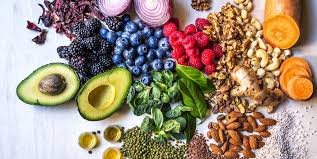
Your body works better when your digestion and metabolism stay balanced together. How to Support Your Digestive System While Boosting Fat Metabolism Daily is not about strict diets or difficult routines. Simple habits like eating fiber-rich foods, staying hydrated, and improving gut health can support better nutrient absorption and natural fat burning. Small daily changes often help improve energy, reduce bloating, and support healthy weight management over time naturally.
Many people struggle with low energy, stubborn weight gain, and constant bloating without knowing the real reason. Poor digestive health, slow metabolic function, and unhealthy eating habits can quietly affect the body every day. The good news is that simple lifestyle adjustments, smarter food choices, and better gut balance may help your body feel lighter, healthier, and more active without extreme dieting or complicated fitness plans.
Understanding the Link Between Digestion and Fat Metabolism
Your gut does much more than just break down food. It actually sends direct chemical signals to your body that control how you store and burn fat. When your digestive tract works perfectly, your body processes nutrients efficiently, balances key hormones, and naturally keeps your metabolic rate running high instead of storing extra calories.
Why Gut Health Affects Calorie Burning
The microscopic bacteria living inside your stomach play a massive role in your overall weight. A balanced gut microbiome helps break down dietary fiber into short-chain fatty acids, which actively trigger your body to burn fat more efficiently.
If your gut bacteria get out of balance, it can lead to chronic metabolic endotoxemia and system-wide inflammation. This internal stress slows down your natural fat-burning processes, alters your hunger hormones, and makes your body store extra energy as stubborn fat.
How Nutrient Absorption Impacts Energy Levels
To maintain high energy levels, your body relies on the successful absorption of essential vitamins and minerals during digestion. When your small intestine functions correctly, it extracts vital macronutrients and micronutrients from your food, delivering them straight into your bloodstream for immediate cellular use.
Poor nutrient absorption means your cells do not get the fuel they need to produce adenosine triphosphate, the primary energy currency of your body. This deficit leaves you feeling completely drained, triggers intense sugar cravings, and forces your metabolism to slow down to conserve power.
The Role of Metabolic Efficiency in Weight Management
Metabolic efficiency is your body’s ability to turn food into usable energy rather than storing it away. A highly efficient system utilizes calories immediately to power your daily movements, breathing, and cellular repair, making weight management feel simple and natural.
| Factor | Impact on Efficiency | Result |
| Basal Metabolic Rate | Controls resting energy expenditure | Higher daily calorie burn |
| Thermic Effect of Food | Energy used to digest nutrients | Boosts metabolism after meals |
| Insulin Sensitivity | Dictates glucose uptake in cells | Prevents excess fat storage |
Signs Your Digestive System and Metabolism Need Support
Your body constantly communicates its internal health through clear physical signals. When your digestion slows down and your metabolism stalls, you will notice a distinct cluster of everyday symptoms that indicate your internal systems are struggling to convert food into energy properly.
Common Symptoms of Poor Digestion
When your upper gastrointestinal tract is struggling, it cannot produce enough gastric acid or digestive enzymes to break down your meals. Food sits in your stomach for too long, leading to uncomfortable acid reflux, regular indigestion, and a heavy feeling after eating.
- Frequent abdominal pain and cramping
- Chronic gastrointestinal motility issues or irregular bowel movements
- Unexplained food intolerances and sensitivities
- Severe bloating within an hour after eating meals
- Excessive gas and uncomfortable stomach pressure
Slow Metabolism Warning Signs
A sluggish metabolism manifests through systemic changes in how your body regulates heat and manages daily energy. Because your cellular mitochondrial function is underperforming, your body struggles to generate heat, leaving you feeling constantly cold even when you are resting in a warm room.
You might also notice sudden, unexplained weight gain even without changing your diet or exercise habits. This occurs because your resting energy expenditure has dropped significantly, meaning your body requires far fewer calories to function, making it incredibly easy to store surplus fat.
How Fatigue and Bloating Are Connected
Persistent fatigue and stomach bloating are deeply connected through your body’s nervous system and immune response. When food ferments in your gut due to slow digestion, it creates gas that stretches your intestines, triggering an immediate inflammatory response that drains your energy.
This continuous systemic inflammation forces your immune system to work overtime, diversion vital energy away from your brain and muscles. Additionally, poor digestion prevents the synthesis of serotonin in your gut, which disrupts your sleep cycles and leaves you feeling exhausted every day.
Best Morning Habits to Improve Digestion and Fat Burning
How you start your morning sets the exact tone for your physical health and weight goals. Practicing healthy habits right after you wake up triggers your internal organs, balances your hormones, and primes your body to burn fuel. Consistently following a solid routine offers excellent digestive metabolism support that keeps you feeling light and energized.
Starting the Day With Hydration
Drinking a large glass of water right after you wake up instantly rehydrates your body after hours of sleep. This simple habit wakes up your gastrointestinal tract and stimulates peristalsis, which is the natural muscle contraction that moves waste out of your system.
Proper hydration also plays a massive role in maintaining a healthy basal metabolic rate. Drinking cool water triggers a process called water-induced thermogenesis, forcing your body to expend extra calories just to warm the liquid up to your normal internal body temperature.
Foods That Wake Up Your Metabolism Naturally
Choosing the right foods for your first meal can significantly increase your daily calorie burn. Eating high-quality proteins and thermogenic spices helps stimulate your digestive enzymes, making it much easier for your body to break down nutrients and convert them into clean energy.
- Eggs: Packed with amino acids that increase the thermic effect of food.
- Green Tea: Contains powerful catechins that help enhance fatty acid oxidation.
- Chili Peppers: Features capsaicin to temporarily boost resting energy expenditure.
- Greek Yogurt: Provides probiotics that support your overall gut microbiota health.
- Oatmeal: Rich in beta-glucan fiber to support steady blood sugar regulation.
Why Breakfast Timing Matters
The exact time you consume your first meal heavily influences your body’s internal clock and circadian rhythms. Eating within an hour of waking up sends a powerful signal to your brain that food is plentiful, which prevents your body from slowing down to conserve fuel.
| Timing Window | Hormonal Response | Metabolic Effect |
| Early (Within 1 hour) | Optimizes insulin sensitivity | Encourages active fat burning |
| Delayed (3+ hours) | Increases cortisol stress hormones | Signs body to store calories |
| Skipped Entirely | Disrupts ghrelin and leptin signals | Leads to evening overeating |
Properly timing your morning meal helps stabilize your blood glucose levels and prevents drastic spikes and crashes later in the afternoon. This steady balance keeps your energy high, keeps your appetite completely under control, and keeps your body in an efficient, fat-burning state all day long.
Foods That Support Healthy Digestion and Fat Metabolism
Eating the right ingredients can completely transform how your body processes fuel and manages weight. Certain clean options feed your good gut bugs, smooth out your internal tracks, and naturally crank up your temperature. Filling your plate with nutrient-dense choices ensures your gastrointestinal tract handles nutrients beautifully while keeping your daily resting energy expenditure high.
Fiber-Rich Foods for Gut Balance
Dietary fiber acts as the primary fuel source for your internal ecosystem, keeping everything moving smoothly through your intestinal tract. Consuming a mix of soluble and insoluble fiber bulks up your stool, prevents uncomfortable constipation, and keeps your entire digestive system completely clean.
- Chia Seeds: Form a soothing gel that slows glucose absorption.
- Lentils: Deliver massive amounts of prebiotic fuel to your colon.
- Avocados: Provide high fiber alongside heart-healthy monounsaturated fats.
- Oats: Contain beta-glucan to support healthy blood sugar regulation.
- Raspberries: Low-calorie berries packed with powerful antioxidant polyphenols.
Protein Sources That Increase Thermogenesis
High-quality protein is a secret weapon for naturally increasing your daily calorie burn because it is tough to break down. Your body must work incredibly hard to process these molecules, which significantly spikes the thermic effect of food compared to fats or carbohydrates.
Eating lean proteins also preserves your precious lean muscle mass while you lose weight, which keeps your basal metabolic rate elevated. Excellent options like chicken breast, wild fish, and organic tofu keep you feeling full for hours, directly crushing intense sugar cravings.
Healthy Fats That Improve Digestion
Healthy fatty acids are absolutely crucial for absorbing vital fat-soluble vitamins like A, D, E, and K during the digestive process. High-quality fats stimulate the gallbladder to release bile, which breaks down large food particles so your small intestine can absorb nutrients.
These clean fats also soothe the lining of your gut, reducing internal inflammation and supporting a strong intestinal barrier. Integrating extra virgin olive oil, wild-caught salmon, and walnuts into your meals helps balance your ghrelin and leptin hunger hormones perfectly.
Metabolism-Boosting Fruits and Vegetables
Fresh produce delivers vital micronutrients and active digestive enzymes that help your body unlock energy from food. Certain options, like grapefruit and spicy peppers, contain unique natural compounds that actively encourage your body to break down stored lipids for fuel.
| Food Group | Active Compound | Metabolic Benefit |
| Cruciferous Veggies | Glucosinolates | Support natural liver detoxification |
| Citrus Fruits | Naringenin | Enhance insulin sensitivity |
| Leafy Greens | Magnesium | Power cellular mitochondrial function |
Dark leafy greens like spinach and kale are packed with magnesium, which is a crucial mineral required for every single energy-producing reaction in your cells. These vegetables fill you up with pure nutrition and zero fluff, making weight management feel effortless.
The Importance of Gut Bacteria for Weight Control
The microscopic world living deep inside your intestines holds the master key to your body shape and energy levels. These tiny organisms break down complex foods, create vital vitamins, and control the exact amount of energy your body harvests from your daily meals, heavily impacting your scale.
Understanding the Gut Microbiome
Your gut microbiome consists of trillions of diverse microorganisms that behave like a highly complex internal organ. These bacteria communicate directly with your central nervous system, influencing everything from your daily mood to how your body processes and stores dietary fat.
A diverse, healthy microbial community keeps your gut barrier strong and prevents harmful toxins from leaking into your bloodstream. When good bacteria dominate, they produce beneficial short-chain fatty acids that help optimize your overall lipid metabolism and keep inflammation very low.
Probiotic and Prebiotic Foods to Eat Daily
To build a thriving inner ecosystem, you need to eat live beneficial bacteria known as probiotics, found in fermented foods. Great traditional options like plain Greek yogurt, kefir, sauerkraut, and kimchi actively replenish your gut with helpful, live bacterial strains.
You must also feed those live bugs with prebiotics, which are specialized plant fibers your body cannot digest on its own. Eating raw garlic, onions, leeks, and asparagus provides the perfect fuel source, allowing your healthy bacteria to multiply rapidly and thrive.
How Gut Balance Influences Fat Storage
An imbalanced gut environment can trick your body into gaining weight by triggering chronic, low-grade systemic inflammation. This internal stress alters how your cells respond to insulin, making it much easier for your body to store glucose as stubborn belly fat.
Furthermore, certain types of bad bacteria are incredibly efficient at pulling extra calories from your food, meaning you absorb more energy from the exact same meal. Restoring balance to your gut helps regulate your appetite signals and encourages natural, steady fat oxidation.
Conclusion
Taking care of your digestive health is the absolute foundation for unlocking a fast, efficient metabolism and achieving lasting weight management. By choosing fiber-rich foods, lean proteins, and nourishing your gut microbiome, you give your body the exact tools it needs to burn fat naturally.
Small, consistent daily habits like drinking water each morning and timing your meals correctly will keep your energy levels high all day. Listen to your body’s physical signals, reduce internal inflammation, and let a thriving, balanced digestive system support your overall health goals.
Frequently Asked Questions
How does gut health affect my daily calorie burning?
A balanced gut microbiome releases short-chain fatty acids that actively trigger your body to burn fat and optimize your metabolism.
What are the signs of a slow metabolism?
Common warning signs include constant fatigue, feeling cold often, stubborn weight gain, and severe bloating after eating regular meals.
Which foods boost my metabolism naturally?
Lean proteins, green tea, and spicy foods increase the thermic effect of food, forcing your body to burn extra calories.
Why does water intake help with digestion?
Drinking water rehydrates your gastrointestinal tract, stimulates natural muscle contractions, and safely flushes out toxic cellular waste products.
How do bad gut bacteria increase fat storage?
Imbalanced bacteria cause chronic systemic inflammation, which alters insulin sensitivity and forces your body to store extra belly fat.
