
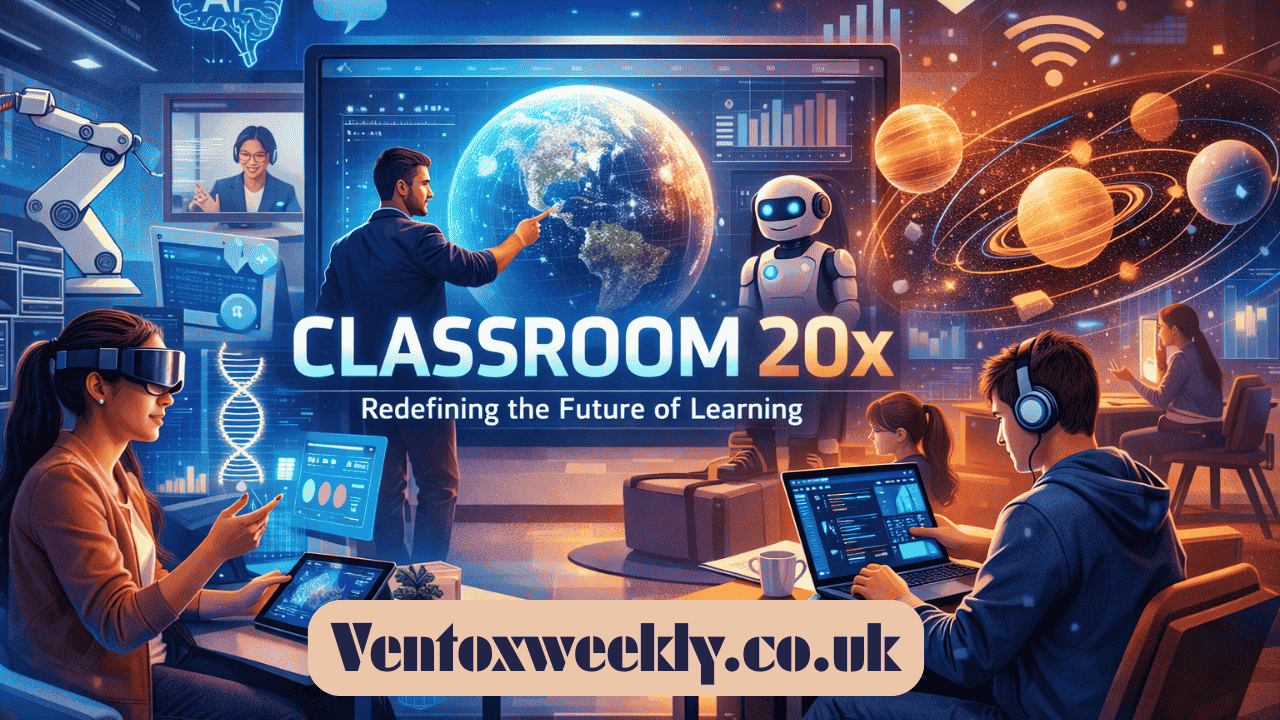
Education is undergoing one of the most significant transformations in history. Traditional chalkboards, static textbooks, and one-way lectures are being replaced by dynamic, technology-driven environments that adapt to the needs of modern learners. At the center of this shift is a new concept often called classroom 20x—a vision of education that is flexible, intelligent, student-centered, and deeply integrated with digital tools. The idea of classroom 20x does not describe a single product or platform. Instead, it represents a new generation of learning spaces designed to amplify teaching effectiveness and student engagement by tenfold or more. It blends technology, pedagogy, and human creativity to produce learning environments that are interactive, inclusive, and future-ready. In this article, we explore what classroom 20x means, why it matters, how it works, and what benefits and challenges it brings to students and educators alike.
Understanding the Concept of Classroom 20x
At its core, classroom 20x is a model of education that goes beyond incremental improvement. The “20x” symbolizes exponential growth in learning efficiency, accessibility, and engagement. Instead of simply digitizing existing methods, this approach reimagines how education should function in a connected world.
A classroom 20x environment typically includes:
- Digital collaboration tools
- AI-assisted learning platforms
- Real-time feedback systems
- Personalized learning paths
- Hybrid and remote learning support
- Interactive multimedia content
Rather than positioning students as passive listeners, this model treats them as active participants in their own education.
Why Classroom 20x Is Becoming Essential
Modern students grow up surrounded by smartphones, social media, and instant access to information. Traditional classrooms often struggle to compete with this level of stimulation and interactivity. Classroom 20x bridges this gap by aligning education with how students already think, communicate, and explore.
Several global trends are accelerating the adoption of this model:
- Digital transformation across industries – Schools must prepare students for technology-driven careers.
- Remote and hybrid learning demands – The pandemic normalized online education, making digital readiness essential.
- Diverse learning styles – Students learn visually, audibly, socially, and experientially.
- Data-driven education – Institutions increasingly rely on analytics to improve outcomes.
Classroom 20x responds to all these needs simultaneously.
Key Features of a Classroom 20x Environment
A true classroom 20x setup integrates multiple technologies and teaching strategies to create a seamless learning experience.
Smart Learning Platforms
Learning management systems powered by AI can recommend resources, adjust difficulty levels, and monitor student progress. This enables educators to devote more attention to mentoring rather than to administrative tasks.
Interactive Digital Content
Instead of static textbooks, students interact with simulations, videos, virtual labs, and gamified lessons. This increases knowledge retention and motivation.
Real-Time Collaboration Tools
Cloud-based documents, shared whiteboards, and virtual breakout rooms allow students to collaborate across classrooms, cities, or even countries.
Data and Analytics
Teachers can instantly see which students are struggling, which concepts need reinforcement, and how engagement levels change during lessons.
Flexible Learning Spaces
Physical classrooms may include modular furniture, multiple screens, charging stations, and zones for group work, quiet study, or creative projects.
How Classroom 20x Transforms Teaching Methods
One of the most powerful impacts of classroom 20x is the shift in teaching philosophy it fosters. Teachers move from being the sole source of information to facilitators of learning.
Personalized Instruction
Every student learns at a different pace. With adaptive platforms, teachers can provide customized assignments and support based on individual needs.
Project-Based Learning
Instead of memorizing facts, students solve real-world problems, build prototypes, and present their findings using digital tools.
Continuous Feedback
Automated quizzes, instant grading, and learning dashboards allow students to track their own progress and set goals.
Blended Learning Models
Lessons combine face-to-face instruction with online modules, enabling learning to continue beyond the classroom walls.
Benefits of Classroom 20x for Students
The classroom 20x model significantly improves the overall learning experience.
Increased Engagement
Interactive content and collaborative activities keep students involved and curious.
Better Knowledge Retention
Visual simulations and hands-on projects strengthen long-term understanding.
Development of Digital Skills
Students naturally build competencies in communication, data analysis, coding, and digital research.
Greater Accessibility
Students with disabilities or learning challenges can benefit from screen readers, subtitles, adjustable content speed, and alternative assessment formats.
Preparation for Future Careers
Most modern professions require technological literacy. Classroom 20x equips students with relevant, practical skills.
Benefits for Teachers and Institutions
Educators and schools also gain significant advantages.
Reduced Administrative Workload
Automation simplifies grading, attendance tracking, and reporting.
Improved Student Insights
Teachers can identify patterns and intervene early when students fall behind.
Higher Teaching Efficiency
Digital tools streamline lesson planning and content delivery.
Institutional Competitiveness
Schools adopting the classroom 20x model are more attractive to students and parents seeking a modern education.
Challenges in Implementing Classroom 20x
Despite its promise, classroom 20x is not without obstacles.
Cost of Infrastructure
Devices, software licenses, internet connectivity, and technical support require significant investment.
Teacher Training
Educators must learn how to use new tools effectively and adapt teaching styles accordingly.
Digital Divide
Students from underserved communities may lack access to reliable devices or home internet connections.
Data Privacy and Security
Protecting student information is critical as more learning data is collected.
Resistance to Change
Some institutions and educators prefer traditional methods and may hesitate to adopt new models.
Addressing these challenges requires strategic planning, funding support, and continuous professional development.
Real-World Applications of Classroom 20x
Across the globe, schools and universities are experimenting with classroom 20x principles.
- Universities offer virtual labs for engineering and medical students.
- High schools integrate coding and robotics into daily lessons.
- Rural schools use video conferencing to access expert teachers.
- Language learners practice with AI-powered conversation tools.
These examples demonstrate that classroom 20x is not a distant concept—it is already shaping education today.
The Future of Classroom 20x
Looking ahead, classroom 20x will likely incorporate even more advanced technologies:
- Virtual reality classrooms for immersive learning
- AI tutors available 24/7
- Brain-computer interfaces for accessibility support
- Global classrooms connecting students worldwide
- Fully personalized academic pathways
Education will become more adaptive, inclusive, and continuous throughout life.
Conclusion: Why Classroom 20x Matters
The world is changing faster than ever, and education must evolve alongside it. Classroom 20x represents more than a technological upgrade—it is a philosophical shift toward empowering learners, supporting educators, and preparing society for the future.
You May Like: Classroom 30x: The Next Leap in Modern Learning
