
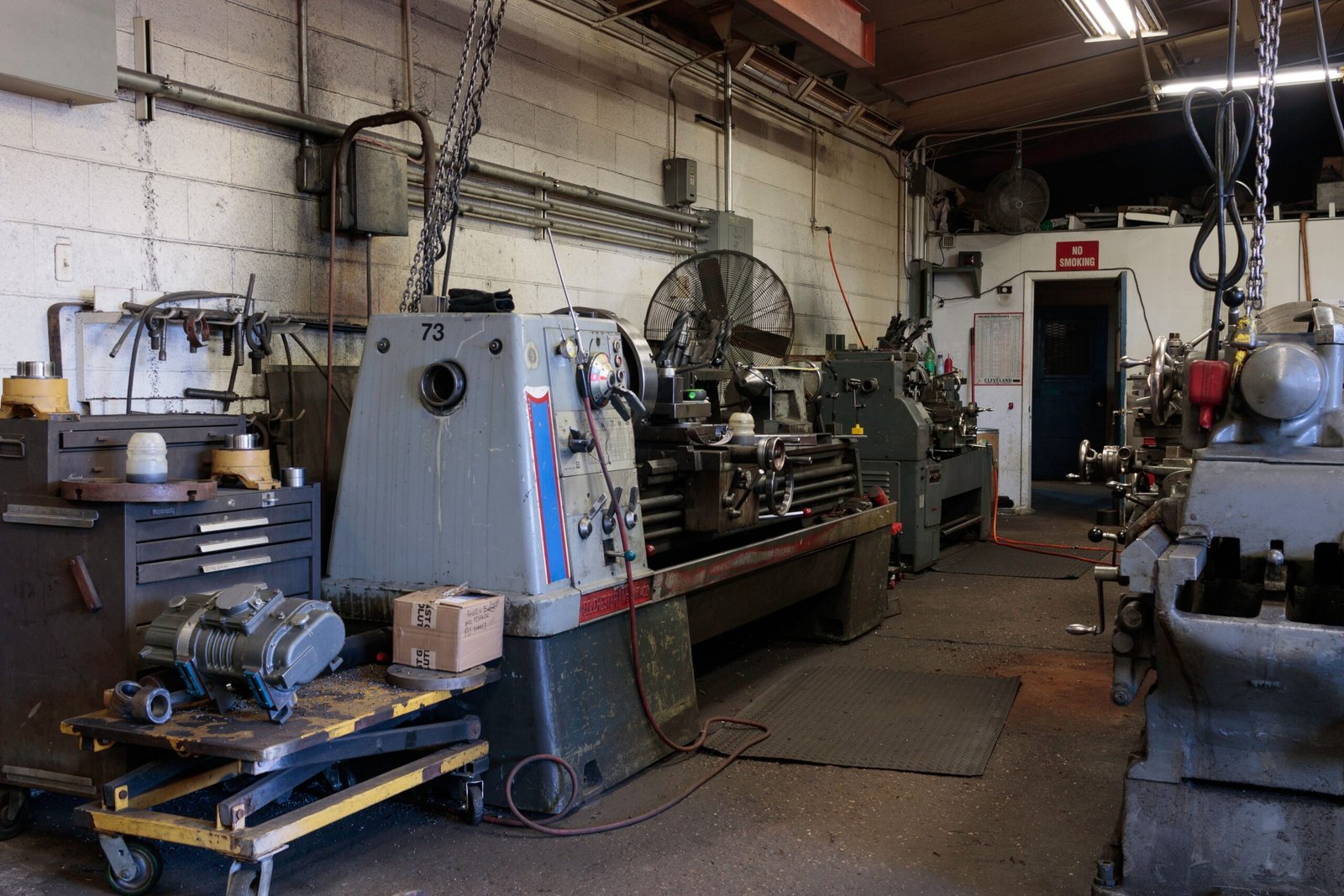
Machine tools are the backbone of many manufacturing operations, driving precision engineering and reliable production. Keeping them in peak condition protects product quality, safety, and efficiency. Regular maintenance is a proactive strategy that prevents costly breakdowns, reduces downtime, and extends equipment lifespan. This guide outlines the most critical checks every operator and maintenance team should follow.
Daily Operational Inspections
The first line of defense against unexpected failures happens at the start of every shift. Daily inspections take only a few minutes, yet they catch small issues before they escalate into expensive repairs. Operators who build these habits create a culture of accountability that pays off across the entire production floor.
Visual Checks
A careful visual scan can reveal problems that data alone might miss. Look for worn belts, frayed cables, loose fasteners, and any signs of unusual wear on moving parts. Check that guards and covers sit securely in place. Listen for odd noises and watch for excessive vibration during startup, since both often signal trouble brewing beneath the surface.
Fluid Levels and Leaks
Coolant, hydraulic oil, and lubricant levels should be verified before operation begins. Low fluids lead to overheating, poor surface finishes, and accelerated wear. Inspect the area around the machine for puddles or drips, which point to failing seals or loose fittings. Topping off fluids and addressing leaks early keeps the machine running smoothly and prevents contamination of finished parts.
Weekly Preventative Measures
Once a week, maintenance teams should dig a little deeper than the daily routine allows. These tasks focus on the systems that keep a machine lubricated and clean, two factors that directly influence performance and longevity. Setting a fixed schedule ensures nothing slips through the cracks during busy production weeks.
Lubrication System Verification
Proper lubrication reduces friction, heat, and wear on critical components. Confirm that automatic lubrication systems are dispensing the correct amount of grease or oil at the right intervals. Check lines for blockages and inspect grease points that require manual attention. Using the manufacturer-recommended lubricant matters, since the wrong type can cause buildup or fail to protect surfaces under load.
Inspecting Filtration Systems
Filters protect coolant, hydraulic, and air systems from contaminants that cause premature failure. Examine filter elements for clogging and replace them when flow drops or pressure readings shift. Clean coolant tanks to remove sludge and metal chips. A well-maintained filtration system keeps fluids cleaner for longer and protects expensive internal components from abrasive damage.
Monthly Deep Dive Maintenance
Monthly checks address the precision and electrical systems that determine accuracy and reliability. These tasks often require more time and specialized tools, so scheduling them during planned downtime minimizes disruption. Documenting results each month builds a valuable history that helps predict future maintenance needs.
Alignment and Calibration Checks
Even small misalignments can ruin tolerances and waste material. Use precision instruments to verify that axes, spindles, and worktables remain true to specification. Recalibrate measuring systems and confirm that positioning accuracy meets required standards. Catching drift early prevents scrapped parts and keeps output consistent across long production runs.
Electrical System Examination
Electrical faults pose both performance and safety risks. Inspect wiring, connectors, and terminals for signs of corrosion, overheating, or looseness. Test control panels, sensors, and emergency stops to confirm they respond correctly. Tightening connections and clearing dust from electrical cabinets reduces the chance of short circuits and unplanned shutdowns.
Quarterly Comprehensive Overhauls
Every three months, maintenance teams should perform a thorough review of structural and safety systems. These overhauls go beyond routine upkeep, targeting the components that wear slowly but carry serious consequences when they fail. A quarterly cadence strikes a practical balance between cost and protection.
Machine Surfaces and Way Inspection
The sliding surfaces that guide machine movement demand close attention during quarterly checks. Inspect the machine gibs, ways, and bearing surfaces for scoring, wear, or inadequate lubrication. Worn guideways reduce accuracy and accelerate damage to connected components. Adjusting and cleaning these surfaces restores smooth motion and protects the machine’s long-term precision.
Safety Mechanism Testing
Safety systems must work flawlessly to protect operators and equipment alike. Test interlocks, light curtains, emergency stops, and protective guards to confirm they function as designed. Verify that warning indicators and automatic shutdowns trigger correctly under fault conditions. Regular testing not only safeguards personnel but also keeps operations compliant with workplace safety regulations.
Annual System Audits
A comprehensive annual audit gives teams the chance to assess the health of major components and core systems. This deep evaluation often reveals wear that shorter inspections miss, allowing for planned replacements rather than emergency repairs. Annual audits are also the ideal moment to update documentation and revisit maintenance strategies.
Spindle Analysis and Bearing Health
The spindle is one of the most critical and expensive components in any machine tool. Analyze it for vibration, temperature rise, and runout that could indicate bearing wear. Listen for unusual sounds during operation and measure performance against baseline data. Replacing worn bearings before they fail prevents catastrophic spindle damage and avoids extended downtime.
Software and Control System Updates
Modern machine tools rely on software to manage precision and automation. Review control system firmware and apply available updates to improve stability and security. Back up critical programs and machine parameters to guard against data loss. Keeping software current ensures the machine benefits from the latest performance improvements and bug fixes.
Conclusion
Consistent maintenance keeps machine tools accurate, safe, and productive for years. By following daily, weekly, monthly, quarterly, and annual checks, teams can reduce downtime, lower costs, and protect their investment. Build these routines into your workflow today, and your machines will reward you with reliable, high-quality performance.
