
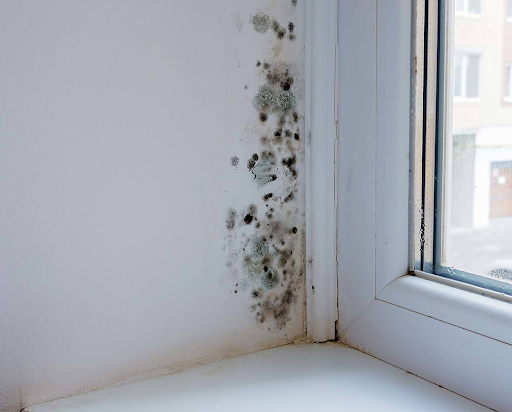
Safe and secure housing is a basic human necessity, yet many tenants continue to live in unsafe or poor living conditions due to landlord neglect. From persistent damp and mould to broken heating systems and structural hazards, housing problems can significantly impact physical health, mental well-being, and overall quality of life. Fortunately, tenants are not powerless. There are clear legal protections in place to help individuals take action when landlords fail to meet their obligations. This guide explains how legal help works, what rights tenants have, and how housing disrepair claims can provide effective remedies.
What Are Unsafe or Poor Living Conditions?
Unsafe or poor living conditions typically refer to rental properties that fail to meet minimum health and safety standards. Common issues include:
- Damp and mould growth
- Faulty plumbing or leaks
- Broken boilers or lack of heating
- Electrical hazards
- Structural damage
- Pest infestations linked to property defects
- Poor ventilation or insulation
In the UK, landlord responsibilities are primarily governed by the Landlord and Tenant Act 1985 and strengthened by the Homes (Fitness for Human Habitation) Act 2018. These laws require landlords to ensure that rental properties are safe, structurally sound, and suitable for habitation throughout the tenancy.
If a landlord fails to carry out necessary repairs within a reasonable timeframe after being notified, tenants may have grounds to pursue housing disrepair claims to enforce repairs and seek compensation.
Landlord Responsibilities Explained
Landlords have a legal duty to maintain:
- The structure and exterior of the property (roof, walls, windows, doors)
- Installations for gas, water, electricity, sanitation, heating, and hot water
- Common areas in shared buildings
- Overall fitness of the property for human habitation
Importantly, tenants are only responsible for minor day-to-day maintenance and must use the property in a “tenant-like manner.” Major structural or safety-related issues fall squarely within the landlord’s obligations.
When landlords ignore written repair requests or delay action unnecessarily, they may be in breach of statutory duties, opening the door for legal intervention.
How Unsafe Conditions Affect Tenants
Living in poor housing conditions can lead to serious consequences. Damp and mould, for example, are linked to respiratory issues, asthma, allergies, and skin irritation. Cold homes caused by faulty heating systems can worsen cardiovascular conditions and increase the risk of illness, particularly for children and elderly residents.
Beyond physical health, ongoing disrepair often causes stress, anxiety, and frustration. Tenants may feel powerless or fear retaliation if they complain. However, the law provides protection against retaliatory eviction in many cases, especially when local authorities become involved.
Steps to Take Before Seeking Legal Help
Before starting formal legal proceedings, tenants should follow these practical steps:
1. Report the Issue in Writing
Always inform your landlord of the problem in writing. Emails or letters create a clear record that the landlord was notified.
2. Allow Reasonable Time for Repairs
Landlords must be given a fair opportunity to fix the issue. Emergency repairs (like gas leaks or severe water damage) require urgent action, while minor repairs may take longer.
3. Collect Evidence
Take dated photographs and videos of the damage. Keep copies of all correspondence and receipts for any expenses incurred due to the disrepair.
4. Contact the Local Council
If your landlord fails to act, you can request an inspection from your local authority. Environmental health officers can assess hazards and issue enforcement notices requiring repairs.
If these steps do not resolve the issue, it may be time to explore housing disrepair claims as a legal solution.
What Are Housing Disrepair Claims?
Housing disrepair claims are legal actions taken by tenants against landlords who have failed to maintain a property in safe and habitable condition. These claims aim to:
- Force the landlord to carry out necessary repairs
- Compensate tenants for inconvenience and financial loss
- Address health impacts caused by disrepair
Compensation is typically calculated based on the severity of the issue, the duration of the disrepair, and the impact on the tenant’s daily life. In many cases, tenants may receive a percentage reduction of rent for the affected period.
For tenants in specific regions, such as the West Midlands, seeking housing disrepair claims birmingham can connect them with legal professionals familiar with local housing authorities and procedures.
Legal Help and “No Win, No Fee” Options
One of the biggest concerns tenants have is the cost of legal action. Fortunately, many solicitors who handle housing disrepair claims operate on a “no win, no fee” basis. This means tenants do not pay upfront legal fees and only contribute if the claim is successful.
Legal professionals typically:
- Assess whether the landlord breached their legal duty
- Arrange independent property inspections
- Calculate potential compensation
- Communicate directly with the landlord or their representatives
- Represent tenants in court if required
This support significantly increases the chances of a successful outcome, particularly in complex or disputed cases.
Protection Against Retaliatory Eviction
Many tenants worry that complaining about unsafe conditions may lead to eviction. However, the law offers protection in certain situations. If a local authority serves an improvement notice due to serious hazards, landlords may be restricted from issuing certain eviction notices for a specific period.
Understanding these protections empowers tenants to assert their rights confidently. Seeking legal help does not automatically put your tenancy at risk when you are acting within your legal rights.
Alternative Dispute Resolution
Not all disputes require court action. Mediation and negotiation can sometimes resolve housing issues more quickly and cost-effectively. Housing associations and social landlords often have formal complaints procedures, and tenants may escalate complaints to an ombudsman if necessary.
However, if safety risks remain unresolved, pursuing housing disrepair claims through legal channels ensures enforceable remedies.
Why Acting Early Matters
Delaying action can make disrepair worse and potentially harm your case. The longer unsafe conditions persist, the more severe the damage may become. Early reporting, documentation, and legal advice strengthen your position.
Additionally, there are time limits for bringing claims, typically linked to the period during which the disrepair occurred. Seeking advice promptly helps ensure you do not miss important deadlines.
Conclusion
Unsafe or poor living conditions can have serious physical, emotional, and financial consequences for tenants. However, legal protections exist to ensure landlords meet their responsibilities and maintain properties to acceptable standards. From written repair requests to council inspections and housing disrepair claims, tenants have clear pathways to enforce their rights.
If you are living in a property that suffers from damp, structural issues, faulty heating, or other hazards, do not ignore the problem. Seek professional advice, gather evidence, and understand your legal options. For tenants in regional areas, pursuing housing disrepair claims birmingham can provide access to experienced local solicitors who understand the specific housing landscape.
