
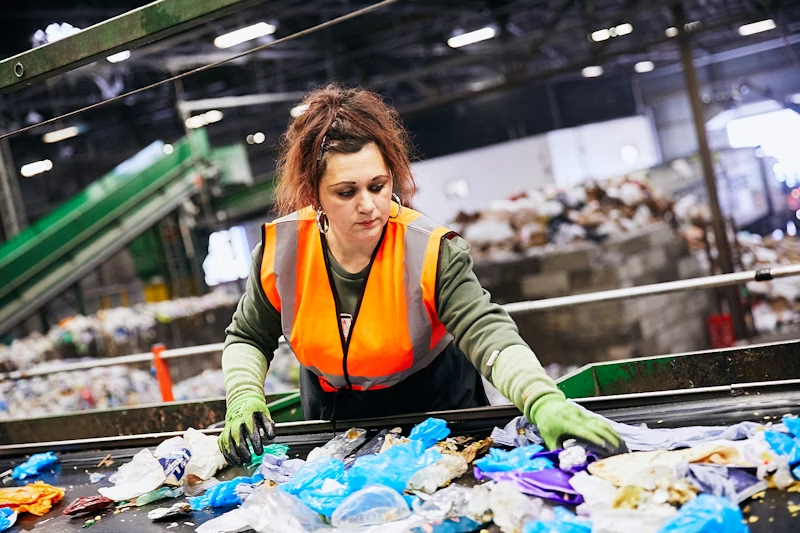
Most factories and warehouses do not set out to contaminate recycling. It happens in seconds. A rushed operative drops the wrong thing in the nearest bin. A forklift driver clears a bay and tips everything together to save time. A contractor empties a canteen sack into the packaging skip because it is closer. Then the load leaves site, and what looked like a tidy recycling collection turns into a problem with a price tag.
If you have ever wondered why gate fees creep up, why a contractor suddenly refuses a material stream, or why a “recycling” bin ends up coming back as general waste, contamination is usually the reason. Telcoss can help by tightening segregation and tracking so issues get spotted earlier and repeated mistakes are easier to fix, but the real wins still come from the same basics: stopping one wrong item from poisoning the whole load.
How one wrong item ruins a whole load
Recycling is sorted by expected material type and expected cleanliness. MRFs and specialist reprocessors are not built to gently separate surprises. They are built to process volume fast. When a load arrives with the wrong material, or the right material in the wrong condition, three things happen.
First, the load loses value immediately. Clean cardboard has a market. Cardboard soaked in oil is not fibre any more, it is a fire risk and an odour problem. A bale of film that includes rigid plastics, food residue and liquids is not “mixed recycling”, it is a sorting headache.
Second, the load becomes harder and slower to process. That means more labour, more machine downtime and more disposal of what cannot be recovered. Those costs get pushed back down the chain as higher gate fees or stricter acceptance rules.
Third, the site that produced it inherits risk. Rejected loads often sit on your yard while you arrange a re collection. That is time, space, admin and sometimes a compliance headache. If the load contains liquids, oily rags, aerosols, batteries, or sharp mixed metals, it also increases safety risk for your team and for the driver.
A single wrong item can trigger a rejection because the contractor cannot guarantee the rest of the load. If a processor sees food waste in a packaging stream, they may assume there is more hidden inside. If they see mixed metals, they may assume there are prohibited items. The result is often blunt. Rejection, reclassification as general waste, or a gate fee that suddenly reflects worst case handling.
The five contamination points that cause the most pain
Oily cardboard
Cardboard from parts boxes, maintenance areas and packing benches looks like cardboard until it is stained. Oil and grease soak into fibres. Even small patches can ruin a bale because the contamination spreads and creates odour and mould during storage.
Where it happens most:Maintenance bays, engineering stores, oil handling areas, lines with lubricants, and any bench where parts are unwrapped.
What it costs:Rejected cardboard collections, higher fees, and a fire load that no one wants to store.
Mixed plastics
Film wrap is valuable when it is mostly film. The moment rigid plastics appear, the bale becomes a mixed grade. Then add foam, strapping, labels, tape and glove waste, and the value drops again.
Where it happens most:Goods in bays, picking and packing stations, pallet wrap areas, and returns processing.
What it costs:Lower rebate or no rebate at all, more frequent collection refusals, and wasted labour because staff think they are doing the right thing.
Food waste in packaging bins
This is the silent killer of “dry mixed recyclables” and cardboard. Canteen waste, half eaten snacks, coffee cups with residue, and food contaminated packaging introduce moisture, pests and odour.
Where it happens most:Canteen exits, vending areas, night shifts where the canteen is closed, and any desk side bin that gets emptied into a larger recycling container.
What it costs:Loads classed as contaminated waste, pest issues, complaints from drivers, and more time spent cleaning bins.
Liquids left in containers
A single half full bottle can leak through a load. That liquid then soaks paper and cardboard, and it also makes plastic bales heavier and less stable. In worst cases, the liquid is chemical residue or oil based fluids.
Where it happens most:Production lines, wash down zones, welfare areas, and anywhere bottles are used for decanting.
What it costs:Rejected loads, slippery floors, stained cages, and increased manual handling risk.
Mixed metals
Metal streams are often assumed to be easy. Then someone drops stainless offcuts into mild steel, or aluminium trays into a ferrous skip, or mixed fasteners and swarf into the wrong container. If there is also plastic attached, or there are aerosols, it gets worse quickly.
Where it happens most:Fabrication, maintenance, tool rooms, and cage tipping points where everything “metal” ends up together.
What it costs:Lower scrap price, more segregation charges, and safety risk from sharp edges and pressurised items.
Practical fixes that actually hold up on a busy site
Signage that works when people are tired
Most signage fails because it assumes people will read. In reality, people glance. Effective signage is built for the glance test.
Use large photos of your actual waste items, not clip art. Show three examples of “yes” and three examples of “no” for each bin. Put the most common mistake in the “no” column in the largest image. Keep wording short and specific, like “clean film only” or “cardboard with no oil marks”.
Place the sign where the decision happens. That is eye level at the bin opening, not on a wall behind it. If the bin has a lid, put the image on the lid too.
Bin placement logic based on how work flows
People contaminate bins when the right bin is not the easiest bin. The fix is not a lecture, it is layout.
Put film bins exactly where wrap is removed. Put cardboard cages where boxes are opened. Put a dedicated “oily packaging” container in maintenance and engineering zones so staff do not have to choose between a wrong bin and a long walk. For food waste, place clear options at the canteen exit so no one carries waste onto the shop floor.
Use paired stations rather than single bins. For example, film and rigid plastics together at goods in, with clear visuals. Cardboard and general waste together at unpack benches, so contaminated card has an obvious home.
Quick checks at shift change
A two minute check prevents a week of problems. Make it part of the shift handover, not an extra task that gets skipped.
Pick one person per area to do a “top layer check” on the main recycling containers. They are not auditing the whole skip, they are looking for obvious contaminants on the surface. If they spot issues, they fix what they can and escalate patterns, like a recurring food waste problem near a bay.
Log the issues in a simple tally, area, contaminant, time. After two weeks, you will see hotspots. Then you can change the environment rather than blaming individuals.
Supplier packaging rules that reduce waste before it starts
Contamination often arrives at the gate inside packaging choices you did not control. You can control them if you write clear supplier rules and enforce them.
Ask suppliers to avoid mixed material packaging where possible. Request that liners, foam and straps are either minimised or kept consistent by material type. Specify that any containers with residues must be sealed and labelled, not thrown loose into outer cartons. If you receive liquids or lubricated parts, require secondary containment that does not soak the outer cardboard.
When suppliers send mixed packaging, make it their problem, not yours. Build rejection or chargeback rules into procurement terms. If a pallet arrives with excessive foam or contaminated cartons, it should be documented and fed back the same day.
The bottom line
Contamination is not just a recycling issue. It is a cost issue, a safety issue and a credibility issue. One wrong item can turn a clean, valuable load into a rejected headache that clogs your yard and your inbox. The fix is rarely complicated. Make the right choice the easy choice. Show people exactly what goes where. Put bins where decisions happen. Check little and often. Align suppliers with how you want materials to arrive.
Do that consistently and you will see the real benefits where it matters: fewer rejected collections, lower gate fees, cleaner yards, safer handling, and a recycling system that actually works under real world pressure.
