
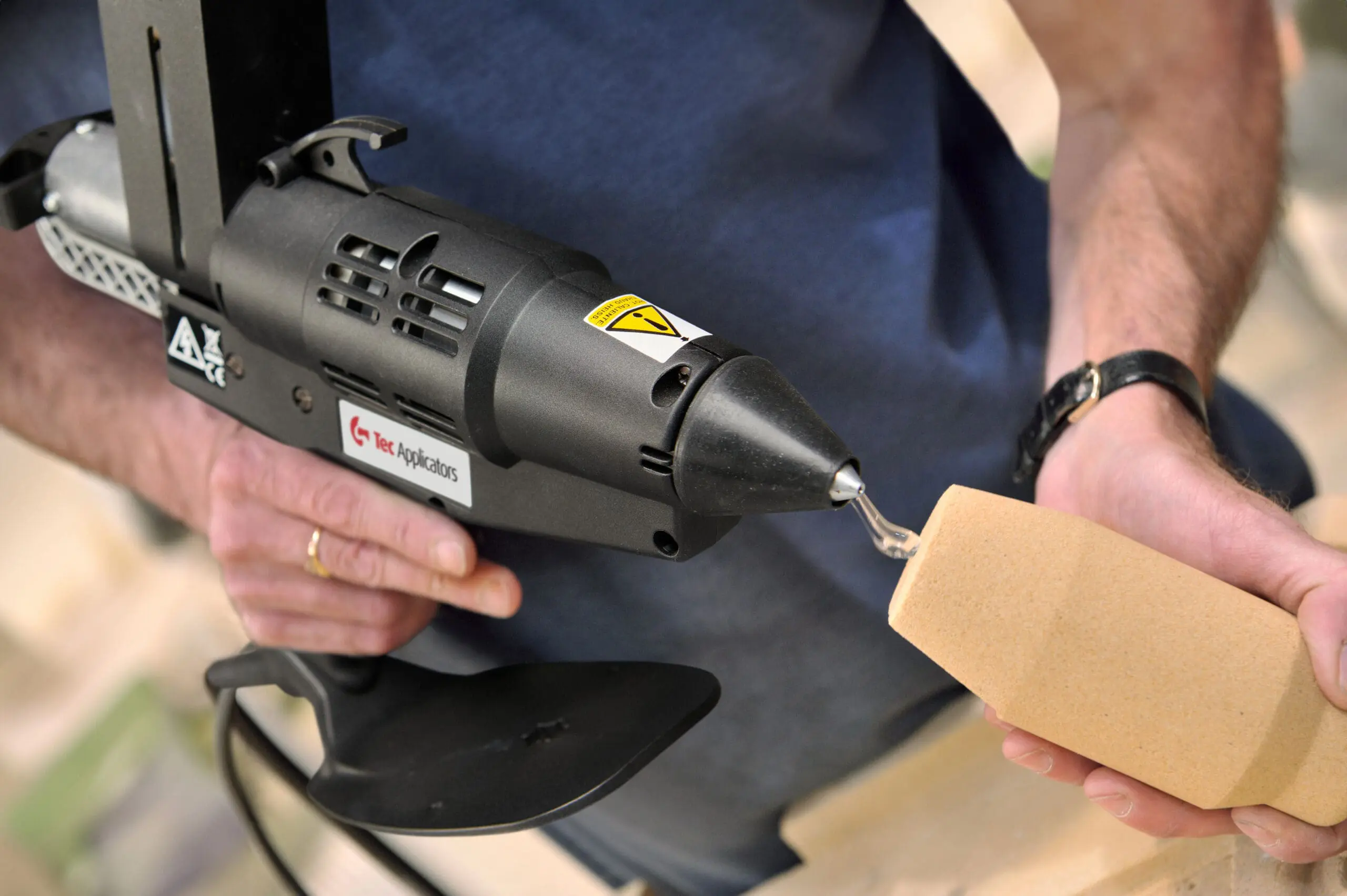
You set your glue temperature to 350 degrees. Perfect. The cartons seal beautifully. Then Monday morning arrives. The factory is cold from the weekend shutdown. You start the line. The glue strings. Long, thin strands stretch from carton to carton. They wrap around guide rails. They stick to product. Your operators spend the first hour of every week cutting glue strings. The problem is not the glue. It is the temperature difference between the glue tank and the cold carton. The glue leaves the nozzle hot and fluid. It hits a cold carton and cools too fast. It does not wet out properly. Instead, it forms a skin and strings. A proper cartoning machine includes a carton pre-heater or a temperature-controlled magazine. The cartons warm to room temperature or slightly above before they reach the glue station. The glue stays fluid long enough to bond. No strings. No cleanup. No wasted Monday mornings. Ask your supplier about carton pre-heating. If they do not offer it, you will spend every Monday cutting spiderwebs.
The Glue Pattern That Uses Three Times More Than You Need
Look at the glue pattern on your carton flaps. Wide swaths. Heavy coverage. The glue costs money. The excess glue soaks into the paperboard. It weakens the board. It creates a mess on your conveyor. A modern cartoning machine uses precision glue nozzles with programmable patterns. A zigzag pattern uses less glue than a solid line. A stippled pattern uses even less. The glue only needs to be where the flaps meet. Everywhere else is waste. Ask your supplier to demonstrate their glue pattern optimization. Ask how much glue per carton their machine uses. Compare that number to your current machine. The difference is direct savings. Glue is a consumable. It adds no value to your product. It only adds cost. Use as little as possible while maintaining a strong seal. Your cartoning machine should help you achieve that balance. If it just dumps glue, it is not a machine. It is an expense.
The Compression Section That Lets Go Too Soon
The glue is applied. The flaps are folded. The carton moves to the compression section. Belts hold the flaps together while the glue cools. If the compression section is too short, the carton exits before the glue sets. The flaps spring open. Your cartoning machine just produced a box that will not stay closed. That box will open in shipping. Your product will fall out. Your customer will be angry. The compression section length depends on your glue type, your carton material, and your line speed. Hot melt glue sets in one to three seconds. Cold glue takes ten to thirty seconds. A machine designed for hot melt cannot run cold glue without a longer compression section. A machine designed for cold glue can run hot melt but may be larger than necessary. Ask your supplier about compression length. Ask if it is adjustable. Ask if it matches your actual glue and speed requirements. A mismatch here creates leakers. Leakers create returns. Returns create unhappy customers.
The Carton Warp That Jams Your Infeed
Your cartons sit in the magazine. They are flat. They are stacked. But some are warped. The humidity in your warehouse caused the paperboard to curl. The picker arm tries to pick one carton. It picks two. Or it picks none. The cartoning machine jams. You stop the line. You clear the jam. You restart. This happens every hour. The fix is not better cartons. The fix is a magazine with a forced-air dehumidifier or a heated platen. These devices flatten warped cartons before they reach the picker arm. Ask your supplier about carton conditioning. If they do not offer it, you are at the mercy of your warehouse humidity. That humidity changes with the seasons. Your jams will change with it. Summer is the worst. High humidity means more warped cartons. More jams. More downtime. A conditioned magazine pays for itself in reduced downtime within months. Your operators will thank you for every hour they are not clearing jams.
The Missing Carton Detector That Feeds An Empty Wrapper
Your cartoning machine feeds cartons to a downstream wrapper. The wrapper expects a carton every two seconds. Sometimes the cartoner misses a pick. No carton arrives. The wrapper wraps nothing. It seals empty air. The next carton arrives. The wrapper jams. Your line stops. The solution is a missing carton detector at the transfer point. A simple through-beam sensor. If no carton is detected, the cartoner does not release the transfer system. The wrapper never receives an empty cycle. This sensor costs fifty dollars. It saves thousands in wrapper jams and wasted film. Ask your supplier if their cartoning machine includes a carton-present sensor at the exit. If the answer is no, ask why. The answer is usually cost cutting. That cost cutting will cost you more in wrapper downtime than you saved on the sensor. Insist on carton detection. Your wrapper will run smoothly. Your line will keep moving.
The One Adjustment That Cures Most Jams
Walk to your cartoning machine. Find the carton magazine. Watch the picker arm cycle. Does it pick the carton cleanly? Or does it drag, hesitate, or double-pick? The adjustment you need is the magazine backstop position. Move it forward one millimeter. Test. Move it backward one millimeter. Test. The sweet spot is where the cartons lean forward slightly but do not bind. This adjustment solves more jams than any other single change. Yet most operators never touch it. They accept jams as normal. They are not normal. A well-adjusted cartoning machine runs for hours without a single jam. Learn this adjustment. Mark the correct position with paint. Check it every shift. Your operators will spend less time clearing jams and more time producing cartons. That is the difference between a machine you fight and a machine that runs. Your production line deserves the second one. Adjust the backstop. Watch the jams disappear. Your sanity will return.
