
Key Takeaways
- Lightning protection standards provide essential guidelines for safeguarding people, buildings, and electronic systems from lightning-related risks.
- Major global standards, including IEC 62305, NFPA 780, and BS EN IEC 62305, establish widely accepted frameworks for risk assessment, system design, and installation.
- Regular updates, such as the 2024 revision of IEC 62305, improve accuracy in protection measures and reflect evolving scientific understanding of lightning behavior.
- Compliance with these standards enhances safety, preserves structural integrity, ensures operational continuity, and supports legal and insurance requirements.
- Effective lightning protection systems require a comprehensive process that includes risk assessment, proper design, professional installation, and ongoing maintenance.
- Variations in regional standards can create challenges, underscoring the importance of aligning local and international requirements.
- Emerging trends like smart monitoring technologies, advanced materials, and climate adaptation are shaping the future of lightning protection.
- Staying informed and adopting modern, standards-based approaches helps organizations build resilience against increasingly unpredictable lightning threats.
Introduction to Lightning Protection Standards
Lightning strikes can cause devastating damage to buildings and electronic infrastructure and pose life-threatening hazards to occupants and workers. To minimize these risks, the engineering and construction industries have developed global standards that detail best practices for designing and implementing lightning protection systems (LPS). Awareness and correct application of these standards are essential for those responsible for safeguarding property and human health. Today, with advanced tools like AI lightning risk management, risk assessments, and planning for lightning protection have become smarter and more predictive.
Standards not only establish baseline safety measures but also ensure compliance with legal, insurance, and operational requirements. Whether you are an engineer, architect, building manager, or safety officer, understanding regional and international lightning protection guidelines remains a critical objective.
Key International Lightning Protection Standards
Three internationally recognized standards serve as the foundation for lightning protection systems around the world:
- IEC 62305: Created by the International Electrotechnical Commission, this suite of standards addresses risk assessment, system design, protection against physical damage, and safeguarding of electronic systems inside structures. The latest edition, IEC 62305-1:2024, provides comprehensive guidelines for protecting structures against lightning.
- NFPA 780: Used predominantly in the United States, this standard was developed by the National Fire Protection Association. It details the installation criteria for LPS, offering specific guidance tailored to American infrastructure and climatic conditions. The 2026 edition includes updated requirements for various structures and systems.
- BS EN IEC 62305: The UK’s adaptation of the IEC standard, ensuring compliance with British regulations and environments, while maintaining alignment with broader European norms.
By referencing these standards, stakeholders ensure that LPS installations meet a globally accepted level of safety and reliability. However, ongoing developments in lightning physics and building technologies mean that these documents are continually updated to remain relevant and effective.
Recent Updates and Revisions
Periodic updates to lightning protection standards are necessary as new scientific discoveries reshape our understanding of lightning behavior. The 2024 revision of IEC 62305 introduced significant changes, including more accurate specifications for surge currents caused by lightning, thereby enhancing the design and implementation of protection measures.
Staying up to date with revisions is not just best practice; in many settings, it is required by law or insurance carriers to qualify for coverage and to avoid liability in the event of an incident.
Importance of Compliance with Lightning Protection Standards
Adhering to globally recognized lightning protection standards serves several crucial purposes. First, it preserves human life by reducing the likelihood of lightning injuries or fatalities in and around protected buildings. Second, structural assets are less likely to suffer catastrophic physical damage, helping maintain the value and usability of properties. Third, protecting electronic devices and information systems ensures business continuity, a vital factor for operations reliant on uninterrupted technology services, such as hospitals and data centers. Fourth, demonstrating compliance streamlines legal and insurance processes, helping organizations avoid costly disputes or fines.
- Safety: Provides a tested, certifiable level of protection for people and equipment against lightning hazards.
- Structural Integrity: Reduces the frequency and severity of lightning-induced damage to construction materials and utility systems.
- Operational Continuity: Shields sensitive electronics and production capabilities from lightning surges and outages.
- Legal and Insurance Requirements: Satisfies statutory expectations and the terms dictated by most financial insurers.
Implementing Lightning Protection Systems
Introducing a lightning protection system involves a methodical process that incorporates assessment, design, installation, and maintenance. Accuracy at every stage is vital for ensuring the end result meets global safety benchmarks.
- Risk Assessment: Pinpoint the specific lightning risk at the location, considering meteorological data and building characteristics.
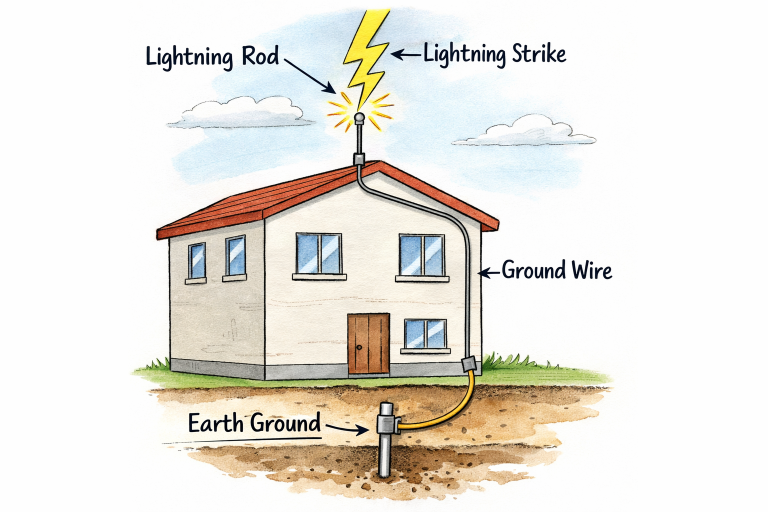
- System Design: Develop a custom LPS by mapping risk points and specifying the layout of key components such as air terminals, conductors, and earth electrodes.
- Installation: Only certified professionals should execute the installation, ensuring compliance with the standard and adapting to on-site realities.
- Inspection and Maintenance: Scheduled reviews and proactive maintenance prevent corrosion, breakages, or compliance drift, maintaining the system’s operational readiness.
Challenges in Global Standardization
Despite shared international principles, regional variations can present challenges, particularly when global companies seek to implement unified safety protocols. Countries may not only adopt different standards but also interpret technical requirements differently, driven by climate or local construction practices. For example, France employs NF C 17-102, which diverges from IEC 62305 in certain design assumptions and risk calculation methods. Navigating these complexities requires staying informed and, if needed, consulting both local and international regulatory experts.
Future Trends in Lightning Protection
Lightning protection is a dynamic field that responds to changes in technology, climate, and urban design. Noteworthy trends include:
- Integration with Smart Technologies: Incorporating sensors and IoT solutions allows for continuous system monitoring, delivering alerts, and initiating automated responses when problems are detected.
- Advanced Materials: Research is driving the creation of new, more durable materials that improve grounding efficiency and longevity, lowering replacement costs over time.
- Climate Change Adaptation: As extreme weather events become more frequent and severe, standards are evolving to address higher lightning incidence rates and shifting thunderstorm patterns.
Final Thoughts
Lightning protection standards provide the framework for systematically protecting lives, buildings, and technology from nature’s electrical hazards. By continually reviewing updates, embracing integrated risk management technology, and ensuring local compliance, professionals can safeguard their structures against the unpredictable risks posed by lightning. The future of lightning protection lies in smarter, greener, and more robust solutions that support safety and operational resilience worldwide.
