
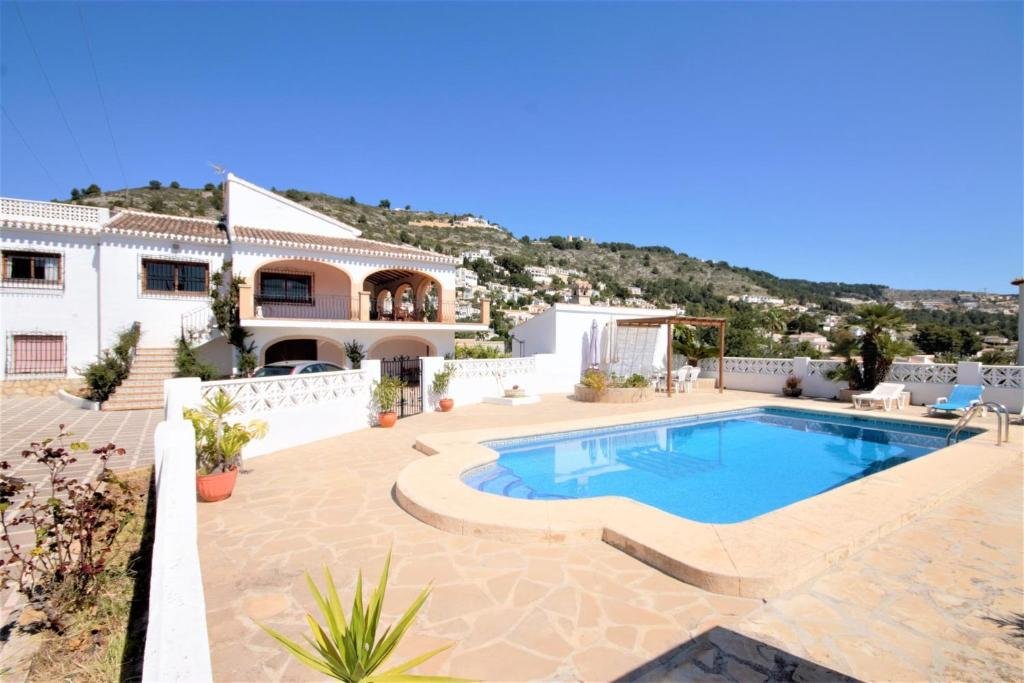
Moving to Javea and building your own house is a big job. Two things catch people out more than any others: getting medical care sorted, and checking the plot before falling for a design. Both are easier to deal with before you move than in the middle of a build.
Sort Out Your Healthcare Before You Arrive
Start by finding out which system you’ll be covered by. People who work and pay into Spanish social security usually have access to public care. Others rely on private insurance, or a mix of both. Your situation may differ, so check it with the relevant office or an adviser rather than guessing.
If you or a family member has an ongoing condition, it’s worth lining up specialist healthcare and medical help before you move. That way you know who to see for check-ups and what to do if something changes. It also saves you from trying to find a specialist while you’re still living out of boxes.
Bring your paperwork with you. That means your medical history, a list of regular medicines and their proper names, and any recent test results. If your Spanish isn’t strong yet, ask your doctor at home for a short summary you can have translated.
Finding a Doctor, a Pharmacy and an Emergency Plan
Once you have an address, find your local health centre (centro de salud). Public care is usually tied to where you live, so register as soon as you’re able. You’ll normally need your ID, proof of address and your social security details.
Pharmacies (farmacias) are easy to spot by their green cross. Pharmacists can often help with minor problems, and there is always a duty pharmacy open out of hours. The sign on the door of any pharmacy tells you which one is on duty that night.
Save 112 in your phone. It’s the emergency number across Spain, and the operators can usually handle calls in English. Find out which hospital has an emergency department nearest to your plot and walk through the route once. It’s better to know the way before you need it.
Choosing and Checking a Plot in Javea
Begin with the land, not the drawings. A lovely plan is no use on a plot you can’t build on.
Ask the town hall (ayuntamiento) how the plot is classed and what you’re allowed to build there. Urban land is usually simpler than rural land. Plots near the Montgó natural park can carry extra limits. Ask the land registry for a nota simple, which shows who owns the plot and whether any debts or charges are attached to it.
Then look at the practical side. Is there a proper road to the plot? Are water and electricity nearby, or will you pay to bring them in? Is there a mains sewer, or will you need a septic tank? Hillside plots give lovely views, but a steep slope often means more groundwork and a bigger bill. An independent lawyer who speaks your language is worth the fee at this stage.
Deciding What You Want From the House
If you want a property built to your own design, start by writing down what you actually need. How many bedrooms will you use all year, and how many are for visitors? Do you want a pool, a roof terrace or a garage? Think about how you’ll live there when you’re older too. Wide doorways, a bedroom on the ground floor and a shower you can step into all make life easier later.
Think about the sun as well. In Javea, where a house faces affects how hot it gets in summer. Shaded terraces, thick walls and good insulation keep cooling costs down, and a few hours with an architect on this early on is time well spent.
Set a budget before you fall for a design. Add costs people forget, such as boundary walls, landscaping, connection to services and furnishing.
Licences, Costs and Where to Live While You Build
A new house in Spain needs plans drawn up by an architect and a building licence (licencia de obras) from the town hall. A technical architect (arquitecto técnico) usually oversees the work on site. Approval can take several months, and the licence and related taxes add to your costs, so allow for both before you choose a moving date.
Once building starts, a house often takes a year or more from first plans to the keys. Get the price and the list of what’s included in writing. Payments should follow stages of finished work, not be handed over early. Keep a spare 10 per cent of the budget for surprises, because there nearly always are some.
Plan where you’ll live in the meantime. Renting nearby lets you visit the site and keeps you close to your health centre. Register with a doctor there, and do it before the build gets busy, so that a sore back or a child’s fever doesn’t turn into a scramble.
Take the two jobs one at a time. Get your health cover and your local doctor settled first, then give the plot and the plans the time they need. You’ll make better decisions on both if neither is rushed.
