
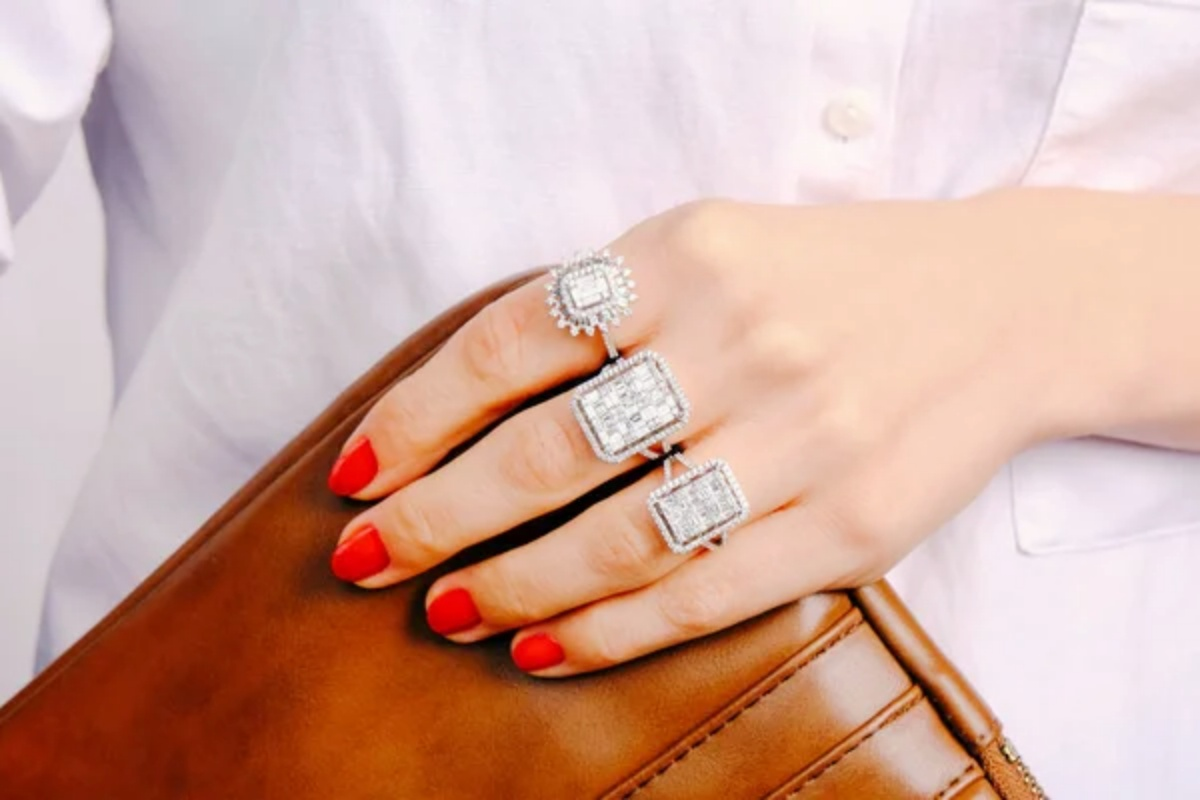
From haute couture ateliers to the workbenches of independent designers, stereo microscopes are rapidly evolving from a “optional accessory” to an “essential standard” in jewelry making.
This trend is by no means a blind following of fads, but rather the clear emergence of an industry consensus: customers have an increasingly low tolerance for even the slightest imperfections, and extreme techniques such as micro-setting and micro-engraving have become hard indicators of a workshop’s capabilities. Relying solely on the naked eye is no longer sufficient to maintain the quality standards of modern jewelry.
It is precisely at this juncture that the stereo microscope bridges the gap between the physiological limits of the human eye and the exacting demands of craftsmanship—it makes invisible flaws visible and transforms uncontrollable precision into something manageable.
Today, many practitioners of gem setting, micro-engraving, and even routine repairs have gradually become reliant on the stereo microscope.
The jewelry industry is entering a phase where “details are becoming increasingly valuable.”
In the past, when people selected jewelry, they first looked at the weight of the gold and the size of the center stone; material quality was almost the be-all and end-all. Today, things are completely different. Many people have begun to pursue a sense of intricacy and refinement that is hard to put into words. For example, whether the contours and curves are smooth, if the setting is misaligned, how bright the polish is, and whether the light reflecting off the metal surface is even—all of these factors influence the overall visual impression of a piece.
The problem is that jewelry pieces are inherently small, and many flaws are truly hard for the naked eye to detect. But now that buyers are accustomed to close-up photography, once the macro lens is applied and the details are magnified, flaws that might have been overlooked—such as pinholes, crooked prongs, or grinding marks—are immediately magnified.
Sometimes, a piece might seem perfect at the workbench, but the moment it’s photographed, all the flaws come to light. This practice of inspecting work through photographs has forced workshops to double the time spent on each step—such as trimming and polishing—while simultaneously driving up the defect rate.
In fact, this shift is pushing the entire industry toward greater precision.
In the past, we relied on experience; now, we rely more on “seeing clearly.”
In the jewelry trade, we used to value steady hands above all else. Gradually, we realized that the problem often wasn’t with the hands, but with the eyes—we simply weren’t seeing clearly enough. With the extremely fine prongs used in micro-setting, it’s impossible to tell with the naked eye whether they’re properly seated.
Once, I watched a master craftsman refine a ring shank. He suddenly stopped midway, looked down intently for a long time, and then remarked, “In the past, we relied on intuition for many of these details.”
Because jewelry craftsmanship used to rely so heavily on experience, master craftsmen would judge details based on tactile sensation, light reflection, and even sound.
But now, with the advent of stereo microscopes, many things that could only be “sensed” before have become truly visible.
The most daunting thing about a stereo microscope is that it changes your standards.
The first time I used it to examine jewelry during production, I have to admit I felt a bit discouraged.
Things that I had originally thought were decent were laid bare under the lens—scratches, rough edges, slight misalignments, uneven solder joints. All the imperfections that were completely invisible to the naked eye were magnified and crystal clear.
It’s a bit like taking a close-up photo of your face with a high-definition camera for the first time.
And precisely because of this, many people’s standards for craftsmanship quietly rise.
What used to be considered “good enough” now prompts an extra question: “Can this be refined a bit more?”
It’s not that their skills have suddenly improved; it’s that they’ve finally come to truly understand what “detail” really means.
Many people underestimate the importance of “stereoscopic” viewing.
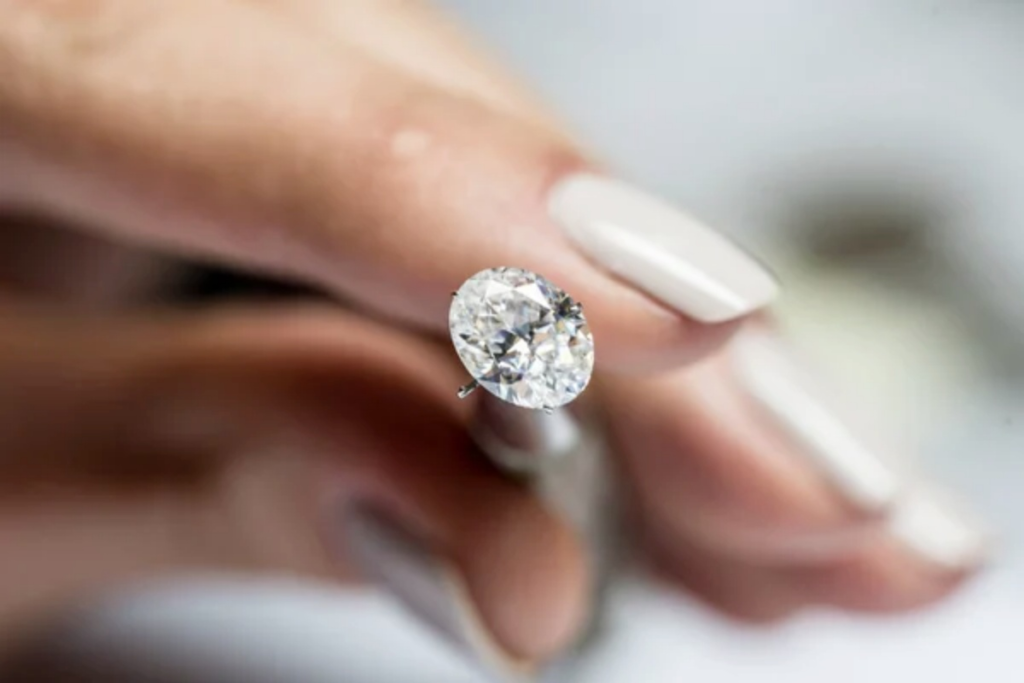
A regular magnifying glass can magnify objects, too.
But the real difference with a stereoscopic microscope lies in that “stereoscopic” aspect—you can see depth.
If you’ve never used one, it’s hard to imagine the difference.
Simply put, you’re not looking at a flat surface; you’re looking at a three-dimensional space.
This sense of depth is especially useful when setting gemstones.
For example, you can see more clearly whether the prongs are properly seated, if the gem is crooked, or if the engraving lines are of uniform depth.
Plus, with a long enough working distance, you can work while looking at the piece.
In the past, when doing fine work, you’d have to look up to check your progress after a few steps, then look back down to continue.
Now, the workflow becomes much more fluid.
Consequently, work efficiency has improved.
Why are more and more workshops making stereo microscopes standard equipment?
At first, many workshops were actually reluctant to spend the money.
After all, professional equipment like this isn’t cheap.
But over time, they’ve come to realize that it saves them far more than they originally thought.
Take rework, for example.
The most troublesome part of jewelry making is “redoing” work.
Sometimes, if a single detail isn’t handled properly, the entire structure may need to be readjusted.
One of the benefits of a stereo microscope is that it allows you to spot deviations as you work, rather than waiting until the finished product is complete to discover them.
This makes the entire process much more stable.
Another very practical consideration is that clients’ aesthetic standards have also risen.
Some people can’t pinpoint exactly what’s better, but they sense that a piece looks more sophisticated and refined.
And that sense of sophistication is often built up through the details.
As for making a choice, I’ve gradually developed my own understanding over time.
There are indeed plenty of stereo microscopes on the market these days, and their specifications are getting increasingly complex.
But for those actually working in the jewelry industry, what really matters in the end isn’t those numbers—it’s how comfortable the instrument is to use.
For example, does your neck get tired after looking down for a long time? Is the lighting glaring? Does the stand wobble? Do you have enough room to move your hands?
You simply can’t tell these things just by looking at the specs.
A model with a comfortable working distance makes a huge difference in how your shoulders feel after a full day of use.
Working just two or three hours a day versus working over ten hours a day—your experience with the equipment is on a completely different level.
Sometimes, upgrading your tools isn’t just about efficiency
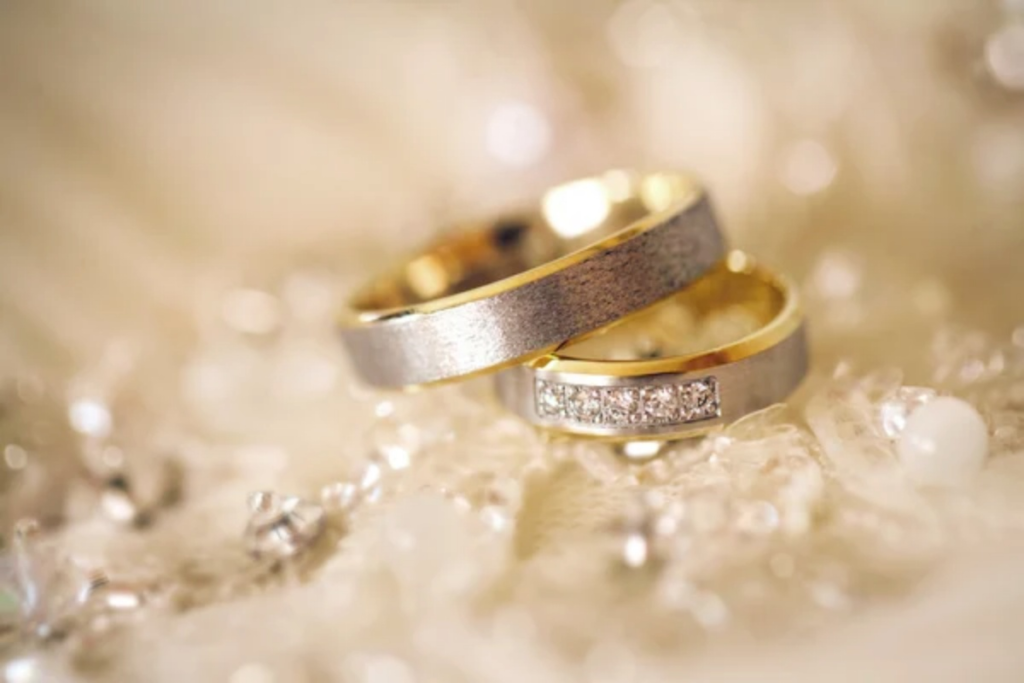
Over time, I’ve come to realize that many industry trends aren’t really driven by “fads,” but by changing standards.
Jewelry making is no exception.
People are now pursuing finer, more precise, and cleaner craftsmanship.
And the stereo microscope happens to make all of this possible.
