
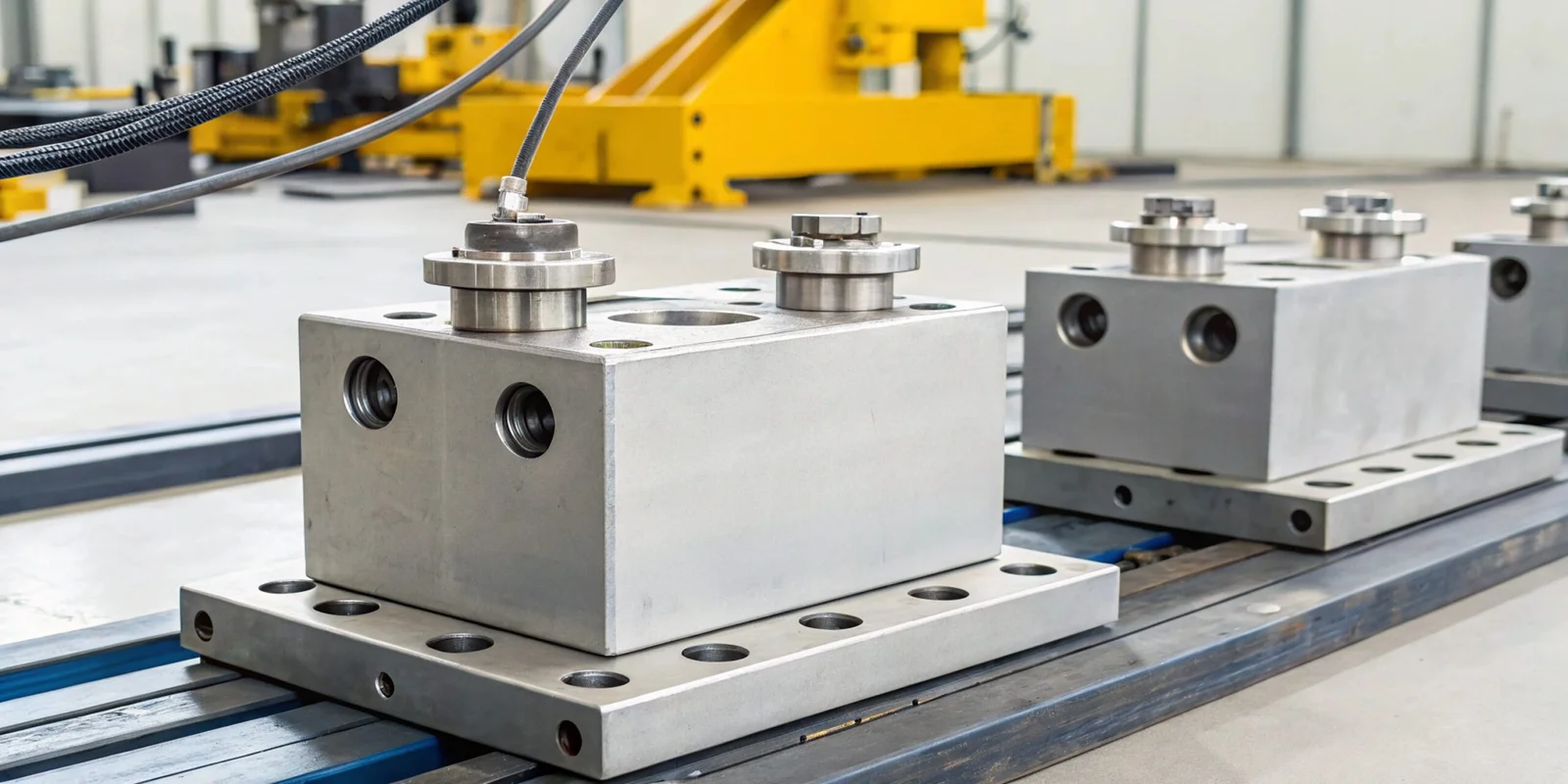
Your morning shift runs perfectly. Every bag weighs exactly 500 grams. Afternoon shift arrives. The factory warms up. The sun hits the production floor. Your checkweigher starts reading differently. The automatic weighing filling machine thinks it is still accurate. It is not. The load cells have warmed up. Their internal resistance has changed. A bag that reads 500 grams on the scale actually weighs 498 grams. You are shorting every customer by two grams. By the end of the week, you have given away nothing. Actually, you have taken from your customers. Two grams per bag. Ten thousand bags. Twenty kilograms of product you charged for but did not deliver. The solution is temperature-compensated load cells or a scale that re-zeroes automatically every hour. Ask your supplier about thermal drift specifications. If they cannot provide a number in grams per degree Celsius, assume their load cells drift. Your customers deserve the full weight they paid for. Your scale must deliver it.
The Vibration Noise That Wrecks Every Reading
Your production line shakes. The conveyor vibrates. The pump vibrates. The compressor cycles on and off. Your automatic weighing filling machine sees that vibration as weight. It thinks the bag is heavier than it actually is. It stops filling early. Every bag is underfilled. You discover this when your lab scale shows 495 grams instead of 500. The problem is not your filler. It is the installation. Load cells need isolation from vibration. Rubber mounts. Separate stands. Flexible connections to rigid piping. Ask your supplier about vibration isolation requirements. If they say “just put it on the floor,” they are setting you up for failure. A vibrating scale is a lying scale. Isolate it. Your fill weights will become honest again.
The Air Current That Pushes Your Scale Off Zero
Your filler sits near an HVAC vent. Air blows across the scale. The air pressure pushes down on the bag. The scale sees extra weight. It stops filling early. Underfill. Or the air blows upward from a floor vent. It lifts the bag slightly. The scale sees less weight. It overfills. Your automatic weighing filling machine cannot distinguish between product weight and air pressure. It measures total force. Air adds force. The solution is a draft shield. A clear plastic enclosure around the weighing station. Air still moves in the room. It does not move across the scale. Ask your supplier about draft protection. If their machine has no enclosure, ask how they prevent air current errors. If they have no answer, your fill weights will change every time the HVAC cycles. Enclose the scale. Your readings will finally be stable.
The Static Electricity That Makes Your Bag Stick To The Scale
Your bag is plastic. Your product is dry powder. Static electricity builds. The bag clings to the scale platform. It does not release cleanly. The next bag sits on top of static charge. The scale does not zero correctly. Every bag after the first is underfilled or overfilled. Your automatic weighing filling machine needs static mitigation. An ionizing bar. An anti-static scale platform. A grounded fill head. Ask your supplier about static control. If they say “ground the machine,” ask how that stops the bag from clinging. Grounding does not eliminate static. It only provides a path. The bag is plastic. Plastic does not conduct. Static stays. You need ionization to neutralize the charge. Or a conductive bag. Or a humidified environment. Static is not a minor nuisance. It is a source of fill weight errors. Control it.
The Product Hang-Up That Dribbles After The Valve Closes
Your fill valve closes. The product stops flowing. Except it does not. A bit of powder hangs from the nozzle. It falls into the bag after the scale has finished weighing. The bag now weighs more than the scale reported. Your automatic weighing filling machine underfilled because the scale thought the bag was done. The dribble added extra weight after the fact. The solution is a dribble tray or a blow-off nozzle that clears the hanging product before the bag moves. Or a fill head design that prevents hang-up altogether. Ask your supplier about post-valve dribble. If they have never measured it, it is happening. Your fill weights are inconsistent. Not because the scale is wrong. Because product arrives after the weighing is complete. Clear the dribble. Your bags will weigh what the scale says they weigh.
The One Test That Exposes Every Weighing Error
Run your automatic weighing filling machine for one hour. Collect every tenth bag. Weigh each bag on a calibrated laboratory scale. Do not use the machine’s own checkweigher. A separate scale entirely. Record the difference between the machine’s reported weight and the lab scale weight. Plot those differences on a graph. A perfect machine shows random variation around zero. A machine with problems shows a trend. Upward trend means the scale is over-reading. Downward trend means under-reading. High scatter means vibration or static. A step change at a specific time means something changed. The HVAC cycled. The compressor started. The sun moved. This graph is your diagnostic tool. It tells you what is wrong and when it happened. Run this test every week. Watch for changes. When the graph goes bad, fix the cause. Your automatic weighing filling machine is a precision instrument. Treat it like one. Your customers will get exactly what they paid for. No more. No less. That is not just good business. It is the law. Your scale must be honest. Your test proves its honesty. Run the test. Trust the result. Fill accurately. Sleep well.
