
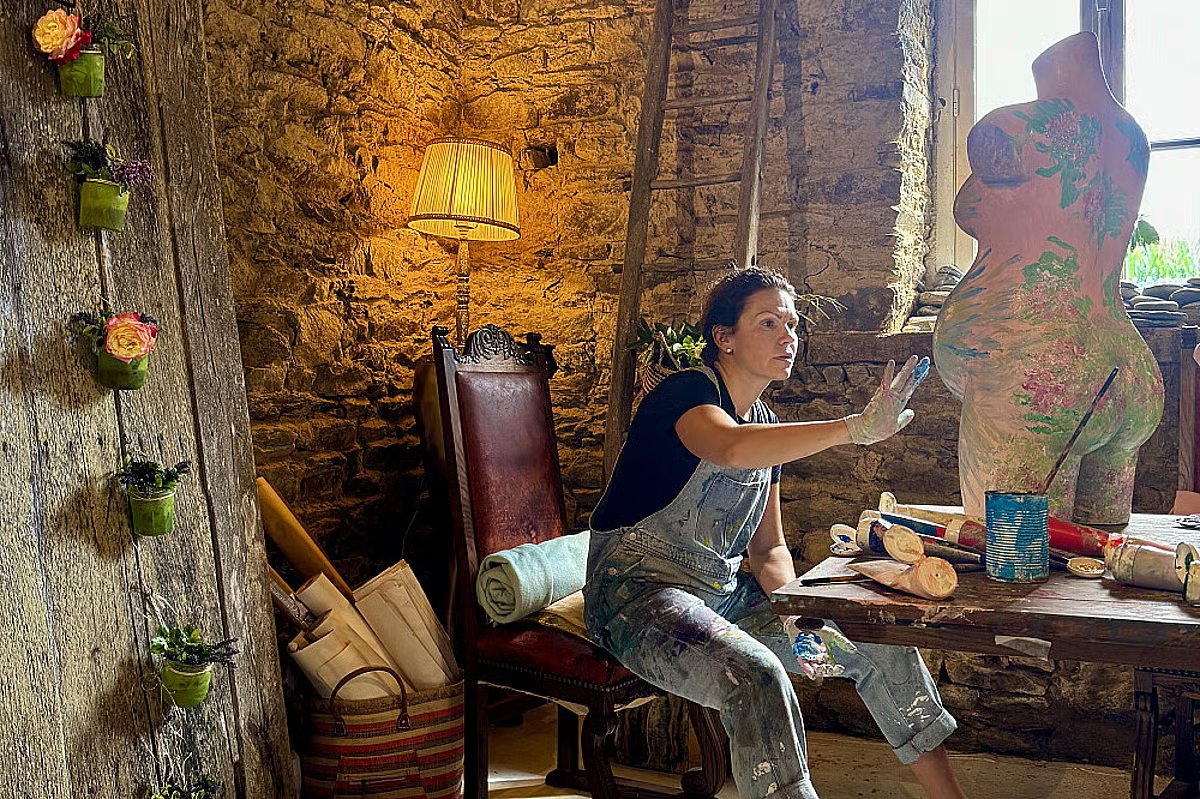
France Has Become a Hub for Creative Travel
France is no longer only a destination for luxury tourism, wine tasting, and historical sightseeing. In recent years, it has also become one of the most attractive places for creative retreats designed for women and nonbinary adults.
These retreats combine art, wellness, community, and personal growth in peaceful environments that encourage creativity without pressure. Instead of rushing through tourist attractions, participants spend time writing, painting, crafting, cooking, photographing landscapes, or reconnecting with their creative side in slower and more supportive spaces.
For many travelers, these retreats offer something traditional vacations fail to provide, emotional recovery and meaningful self-expression.
Writing Retreats in the French Countryside
France has become especially popular for writing retreats because of its calm rural landscapes and artistic history. Regions like Provence, Normandy, and the Dordogne attract writers looking for quiet environments away from digital distractions and urban stress.
Many retreats focus on memoir writing, fiction workshops, journaling, or poetry sessions. Participants usually spend mornings writing independently and afternoons attending group discussions or creative exercises.
Women and nonbinary travelers often choose these retreats because they provide emotionally safe environments where people can express ideas openly without judgment. The slower pace also helps participants reconnect with creativity that daily responsibilities often suppress.
Small countryside retreats are especially appealing because they encourage deep focus while still creating strong social connections among attendees.
Art Retreats in Provence
Provence remains one of the most popular creative retreat destinations in France. The region’s natural light, lavender fields, historic villages, and relaxed atmosphere have inspired artists for generations.
Modern creative retreats in Provence now attract women and nonbinary adults interested in painting, sketching, photography, and mixed-media art.
These retreats often include:
- Outdoor painting sessions
- Guided creative workshops
- Local market visits
- Nature walks
- Group critique sessions
- Mindfulness activities
The environment itself becomes part of the creative process. Many travelers find that the combination of nature, slower living, and artistic exploration improves both emotional wellbeing and creative confidence.
Unlike formal art schools, these retreats focus more on experimentation and enjoyment than technical perfection.
Ceramic and Craft Retreats in Rural France
Hands-on creative experiences are becoming increasingly popular among travelers seeking alternatives to screen-heavy lifestyles. Ceramic retreats, textile workshops, and traditional craft programs across rural France now attract adults looking for tactile and immersive experiences.
Many retreats take place in converted farmhouses or countryside studios where participants learn pottery, weaving, embroidery, printmaking, or handmade paper techniques.
These experiences appeal strongly to women and nonbinary travelers because they encourage mindfulness through physical creation. Working with clay, fabric, or natural materials slows mental activity and reduces stress in ways digital entertainment often cannot.
Craft retreats also create strong group dynamics because participants spend hours creating together in relaxed environments.
Culinary Retreats Focused on Creativity
France’s food culture also plays a major role in creative travel. Culinary retreats now combine cooking classes with wellness, storytelling, and cultural exploration.
Instead of formal cooking schools, many programs focus on collaborative experiences where participants prepare meals together using local ingredients from nearby farms and markets.
These retreats often include:
- Bread-making workshops
- Pastry classes
- Wine education
- Garden-to-table cooking
- Regional recipe exploration
- Shared community meals
For women and nonbinary adults, these experiences feel less transactional than restaurant tourism. Cooking together creates connection and allows participants to experience French culture more personally.
Food becomes part of the creative process rather than simply consumption.
Retreats Designed Around Inclusivity
One reason creative retreats in France continue growing is the increasing focus on inclusivity. Many retreat organizers now intentionally design programs for women and nonbinary adults who want safer and more supportive travel environments.
Traditional travel spaces can sometimes feel isolating or performative. Inclusive retreats focus more on emotional comfort, collaboration, and personal expression.
This matters particularly for solo travelers. Many participants attend retreats alone and appreciate environments where social interaction develops naturally through workshops and shared activities.
The structure also removes pressure from trip planning. Participants can focus on creativity instead of logistics.
Nature and Slow Living Improve Creativity
Many creative retreats in France are located far from major cities. This distance from fast-paced urban life becomes part of the appeal.
Rural villages, vineyards, coastal towns, and mountain regions encourage slower routines. Participants spend less time on phones and more time engaging directly with their surroundings.
This slower pace supports creativity because mental overstimulation decreases. Nature improves focus, sleep quality, and emotional clarity, all of which contribute to stronger creative thinking.
Many travelers report that they produce more creative work during one retreat week than they normally create in months at home.
Creative Retreats Offer Emotional Recovery
Creative retreats are not only about learning artistic skills. Many participants join because they need emotional recovery from burnout, stress, or repetitive routines.
Creative activities help people reconnect with curiosity and play, two things adulthood often removes. Writing, painting, crafting, or cooking in supportive environments allows participants to focus on enjoyment instead of productivity.
For women and nonbinary adults carrying heavy personal or professional responsibilities, this emotional reset becomes one of the most valuable parts of the experience.
France Continues to Attract Creative Communities
France remains one of the strongest destinations for creative retreats because it combines artistic culture, natural beauty, slow living, and community-focused experiences.
For women and nonbinary adults, these retreats provide more than travel. They create space for creativity, connection, rest, and self-expression in environments that feel supportive instead of demanding.
That combination explains why creative retreats across France continue attracting travelers looking for meaningful experiences beyond traditional vacations.
write 700 words article on The New Era of Slow Travel: Creative Retreats for Women and Queer Adults
The New Era of Slow Travel: Creative Retreats for Women and Queer Adults
Travelers Are Moving Away From Fast Tourism
For years, travel culture focused on speed. Tourists rushed through packed itineraries, visited multiple cities in one trip, and treated vacations like checklists. Social media made this even more intense. Many travelers became more focused on capturing experiences than truly enjoying them.
That mindset is now changing.
A growing number of women and queer adults are choosing slow travel instead. They want experiences that feel meaningful, emotionally restorative, and creatively fulfilling. Instead of racing through destinations, they are spending more time in one place through creative retreats designed around connection, art, wellness, and community.
This shift is creating a new era of travel focused less on consumption and more on presence.
Slow Travel Focuses on Experience Over Productivity
Traditional tourism often mirrors work culture. Travelers overplan schedules, wake up early for tours, and try to maximize every hour of a trip. The result is often exhaustion instead of recovery.
Slow travel rejects this approach.
Creative retreats encourage participants to stay in one location for several days or weeks while focusing on fewer but deeper experiences. Instead of rushing between tourist attractions, travelers spend time writing, painting, cooking, crafting, hiking, or learning new skills.
The slower pace allows people to absorb their surroundings emotionally instead of treating destinations like content for social media.
For women and queer adults facing constant pressure in daily life, this slower approach feels more restorative and sustainable.
Creative Retreats Offer Emotional Recovery
Many travelers no longer view vacations only as entertainment. They now see travel as part of emotional wellness.
Creative retreats support this shift because they combine relaxation with personal expression. Activities like journaling, pottery, photography, dance, or painting help participants disconnect from stress while reconnecting with creativity and curiosity.
For many adults, creative expression disappears under work obligations and digital overload. Retreats provide dedicated space to explore creativity without judgment or pressure to perform professionally.
This emotional release is one reason creative retreats continue growing in popularity among women and queer communities.
Queer Travelers Seek Safer and More Inclusive Spaces
Another major reason for the rise of creative retreats is the demand for inclusive travel environments. Many queer travelers still experience discomfort, exclusion, or safety concerns in traditional tourism spaces.
Creative retreats designed for women and queer adults prioritize emotional safety, acceptance, and community.
Participants often feel more comfortable expressing themselves openly in these spaces. Group activities encourage connection without forcing people into rigid social expectations. This creates environments where travelers can relax emotionally instead of constantly monitoring how they are perceived.
Inclusive retreats also help solo travelers feel less isolated. Many attendees arrive alone and quickly build friendships through shared experiences and workshops.
Community Has Become a Central Part of Wellness
Modern life has become increasingly disconnected. Remote work, social media, and busy schedules reduce meaningful in-person interaction for many adults.
Creative retreats solve this problem naturally.
People share meals, collaborate on projects, join outdoor activities, and spend long periods together without the distractions of everyday life. These shared experiences create stronger emotional connections than typical hotel-based vacations.
Women and queer adults often describe retreat communities as one of the most valuable parts of the experience. The social environment feels more authentic because relationships develop through participation rather than networking or curated online interactions.
This sense of belonging has become a key reason travelers return to retreat-style experiences.
Nature Plays a Major Role in Slow Travel
Many creative retreats take place in rural or nature-focused locations. Coastal villages, forests, mountains, lakesides, and countryside properties create environments that support slower living.
Nature reduces overstimulation and mental fatigue. Spending time outdoors improves sleep quality, lowers stress levels, and increases emotional clarity.
For travelers living in crowded urban environments, this physical distance from noise and screens becomes deeply restorative.
Creative work also improves in natural settings. Many participants find they write more clearly, think more creatively, and feel emotionally lighter after only a few days away from digital overload.
This connection between nature and creativity is one reason slow travel retreats continue expanding globally.
Travelers Want Authenticity Instead of Performance
Many women and queer adults are becoming frustrated with performative travel culture. Luxury tourism and influencer-driven vacations often focus heavily on image, aesthetics, and constant documentation.
Creative retreats feel different because participation matters more than appearance.
People wear comfortable clothing, spend less time online, and focus more on experiences than presentation. There is less pressure to appear productive, fashionable, or socially impressive.
This authenticity creates emotional freedom.
Travelers can experiment creatively, engage socially, and rest mentally without feeling observed or judged.
Slow Travel Supports Long-Term Wellbeing
Fast tourism often leaves people needing recovery after returning home. Constant transportation, crowded attractions, and packed schedules create physical and emotional exhaustion.
Slow travel works differently.
Creative retreats encourage routines that support long-term wellbeing through rest, movement, social connection, creativity, and mindfulness. Instead of overstimulation, travelers experience balance.
This makes retreats feel less like escapes from life and more like opportunities to reset daily habits and mental patterns.
For women and queer adults balancing demanding personal, social, or professional pressures, this form of travel feels more valuable than traditional vacations.
Creative Retreats Reflect the Future of Travel
The growing popularity of creative retreats shows that travel priorities are changing. People no longer want trips built only around luxury, speed, or sightseeing.
They want emotional connection, creativity, inclusivity, and meaningful experiences.
For women and queer adults especially, slow travel retreats provide environments where rest, self-expression, and community exist together naturally.
That combination is why creative retreats are becoming one of the strongest travel movements in the new era of slow travel.
