
Introduction
Data is the most valuable asset for countries and organisations in the digital and global landscape today. By gaining access to sensitive information, a company can create a new customer base and optimize their services accordingly, beating the competition effortlessly. The latest data security management system forecasts trends in the market, optimises processes and operations and helps businesses remain compliant with the latest national and international compliance systems.
With the help of information security management system software, companies or businesses can prevent a data breach. Since data is the new oil, protecting data is essential to prevent the leaking of personal details of employees and customers
Read on to learn more about the relevance of a data security management system in today’s digital landscape.
Information Security Management System Software
An Information Security Management System (ISMS), when integrated with information security management software, is an essential tool for protecting and securing an organisation’s confidential information. Information security management software aims to protect the privacy of employees and customers and to ensure the easy availability of data, thereby mitigating threats to information retrieval and security.
ISO 27001 is the international standard that helps a business maintain data security management easily. The six main security domains addressed by this standard are as follows:
- Information or asset oversight
- Physical and environmental protection
- Information access management
- Incident handling
- Convenient legal compliance
- Adhering to organisational safety guidelines.
How Can You Prevent Viruses and Malicious Code?
Big organizations particularly those that are active in the field of banking, health and finance use the best security management software to protect sensitive information. The aim is to aid in the convenient retrieval of information when needed.
Here are 7 effective ways to prevent the spread of viruses and malicious content in your system:
- Update Software Regularly
By regularly updating software, applications and devices, viruses and malicious code can be prevented from penetrating the system. Automatic updates reduce exposure to cybersecurity threats. The management gets a strong defense against malware attacks and unauthorised access.
- Use Reliable Security Tools
Trusted cybersecurity solutions such as antivirus and anti-malware software help detect, prevent and respond to malware or ransomware threats. The aim is to ensure better protection of organisational systems and confidential information.
- Exercise Caution When Reading Emails
The workforce must be warned and trained to recognise phishing attempts, suspicious attachments and unsafe links in emails. Caution must be exercised and courses on social engineering tactics must be arranged. This will help prevent malware infections and protect organisational data.
- Use Strong Passwords
When creating a password, use a mix of symbols, letters and numbers. Reusing an old password is a big no-no. Implementing multi-factor authentication adds another layer of security which makes it hard for a foreign person to gain unauthorised access to accounts and systems. Since information is an asset, making a strong password buys the system some time to alert the management.
- Minimum Access to Employees
Applying the principle of least privilege provides employees with only the minimum access that is necessary according to their job profile. Restricting unnecessary permissions limits the organisation’s attack surface and lowers insider risks. The negative impact of compromised accounts or malicious activities within a system is reduced.
- Allow Block Listing
Only the permitted applications will be able to run on the organisation’s system. With the latest information security management system software, unauthorised software is blocked. Suspicious programs are not executed and there is a drastic reduction in malware infections. The aim of maintaining a strong control over system security is maintained.
- Implement Zero-Trust Security
With an information security management system, networks are segmented. There is a continual verification of users and devices, constant monitoring and quick identity validation. The aim is to contain malware spread and improve the overall cybersecurity resilience.
Conclusion
Information security management systems help build trust among stakeholders, customers and employees. Information security management system software also demonstrates that a company prioritises data privacy and confidentiality for all. A security management system helps prevent cyber fraud, maintain the reputation of a company and showcase that ethical practices are automated.
Frequently Asked Questions
- What are the 3 security controls that are grouped under Information Security Management?
Answer: Confidentiality, Integration and Availability, (CIA) are the three main security control features offered under the Information Security Management System. The aim is to secure the data of a company or a business and protect the system from malicious malware or ransomware that could compromise the data of customers and employees.
- Which ISO standards make a business or a company compliant?
Answer: ISO 45001 (occupational health and safety management system), ISO 9001 (quality management standards), ISO 31000 (risk management) and ISO 27001 (information security management system) are the main standards followed by organisations. Adhering to these standards helps an organisation to abide by environmental standards, manage risks, ensure proper quality control and maintain information security.
- What are the features used in a data security management system?
Answer: Various features that are often used to maintain the security of data are encryption of data, creating firewalls and enhancing endpoint security. Security can further be reinforced by detecting intrusions like the introduction of ransomware or malware, monitoring website traffic, and downloading the best antivirus software consistently.
- What happens when a company or an organisation follows the ISO 27001 standard?
Answer: By following ISO 27001, an organisation becomes more cyber resilient, improving its reputation in the long run. Regulatory penalties can be avoided more promptly and incident reporting gets easier. By training and educating the workforce, the information security management systems tend to act as the first line of defence against cyber attacks.
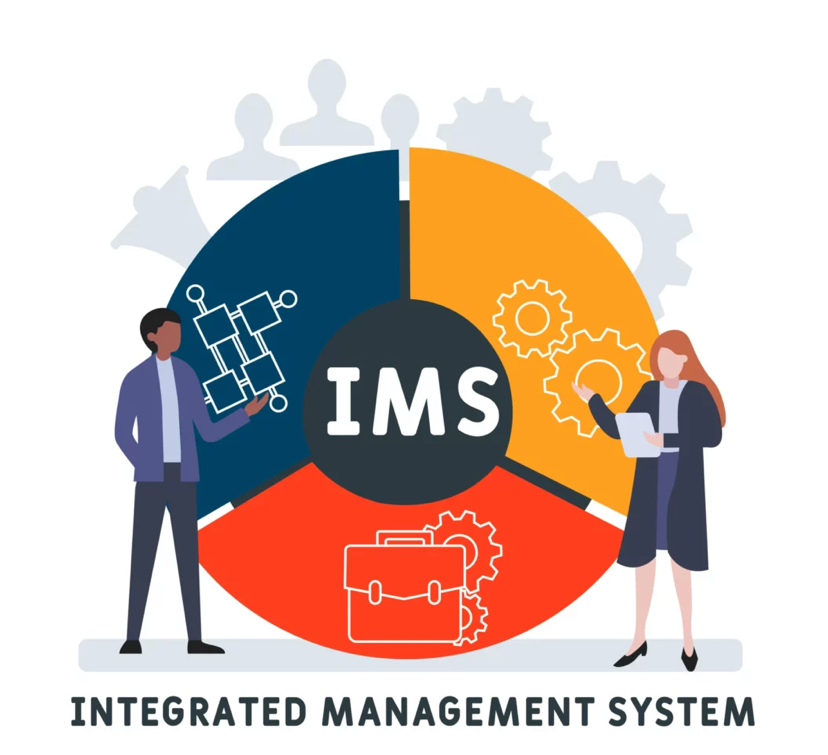
- How do Integrated Management Systems differ from Quality Management Systems?
Answer: Integrated management systems and quality management systems have overlapping functions. QMS is a part of IMS where QMS can use data from other departments managed by IMS. Combining the two embeds the concept of technology among the workforce and expedites processes.
