
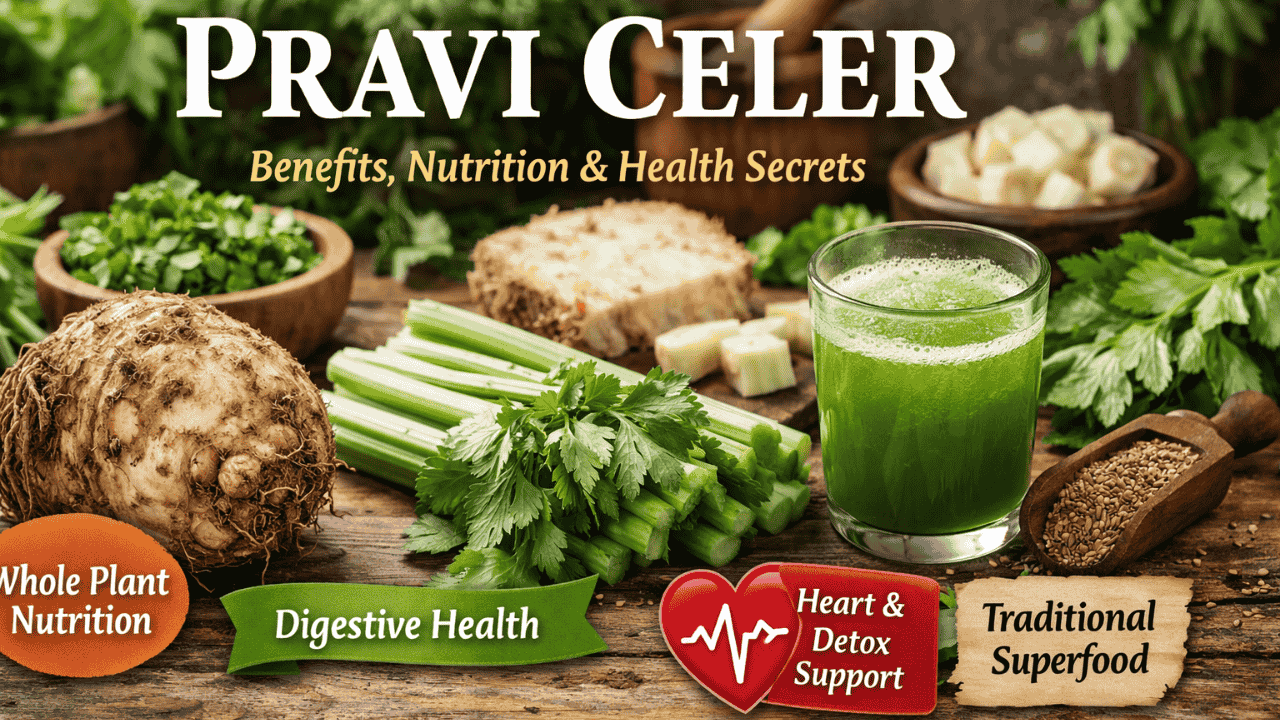
In recent years, there has been a growing interest in natural, whole foods—and one ingredient gaining attention is pravi celer. Translating to “real celery” or “true celery,” pravi celer refers to the traditional, unprocessed form of celery that has been used for centuries in cooking and natural medicine. Unlike the standard celery commonly found in supermarkets, pravi celer emphasizes using the entire plant, including stalks, leaves, roots, and even seeds. This makes it not only more flavorful but also more nutritious. In this comprehensive guide, we’ll explore everything you need to know about pravi celer, including its health benefits, nutritional value, uses, and how it compares to regular celery.
What is Pravi Celer?
Pravi celer is a term commonly used in the Balkans and Eastern Europe to describe authentic celery (Apium graveolens) in its most natural form.
Rather than referring to a completely different plant, it highlights:
- Traditional cultivation methods
- Minimal processing
- Use of the whole plant
- Stronger flavor and aroma
In many cultures, pravi celer is valued not just as a vegetable but as a functional food with medicinal properties.
Nutritional Value of Pravi Celer
One of the main reasons for Pravi Celer’s popularity is its impressive nutritional profile. It is low in calories but rich in essential nutrients.
Key Nutrients in Pravi Celer
- Vitamin K – Supports bone health and blood clotting
- Vitamin C – Boosts immunity and skin health
- Vitamin A – Supports vision and immune function
- Folate (Vitamin B9) – Essential for cell growth
- Potassium – Helps regulate blood pressure
- Fiber – Improves digestion
Additionally, pravi celer contains antioxidants and phytonutrients that help protect the body from oxidative stress.
Health Benefits of Pravi Celer
Supports Digestive Health
Pravi celer is rich in dietary fiber, especially when the root (celeriac) is included. Fiber helps:
- Improve gut health
- Prevent constipation
- Support healthy digestion
It has also been traditionally used as a natural remedy for bloating and indigestion.
Promotes Heart Health
Potassium in pravi celer helps regulate blood pressure. Additionally, its antioxidants may help:
- Reduce inflammation
- Lower bad cholesterol levels
- Support overall cardiovascular health
Hydration and Detox Support
Celery has a high water content, making it an excellent source of hydration. It is often included in detox diets because it:
- Supports kidney function
- Helps flush toxins
- Promotes fluid balance
Anti-Inflammatory Properties
Pravi celer contains plant compounds like flavonoids and polyphenols, which are known for their anti-inflammatory properties. These may help:
- Reduce joint pain
- Support immune health
- Lower risk of chronic diseases
Weight Management
Because it is low in calories and high in fiber, pravi celer is ideal for weight management. It helps you feel satisfied without consuming excess calories.
Culinary Uses of Pravi Celer
One of the unique aspects of pravi celer is its versatility. Every part of the plant can be used in cooking.
Stalks
- Used in salads, soups, and juices
- Adds crunch and freshness
Leaves
- Used as herbs or garnishes
- Rich in flavor and nutrients
Root (Celeriac)
- Roasted, mashed, or added to stews
- Earthy flavor, similar to potatoes
Seeds
- Used as seasoning
- Often included in spice blends
Popular Recipes Using Pravi Celer
Pravi Celer Soup
A traditional dish made with celery root, carrots, onions, and herbs.
Fresh Celery Juice
Blended stalks for a refreshing and detoxifying drink.
Roasted Celeriac
A healthy alternative to potatoes with a rich, nutty flavor.
Herbal Garnish
Chopped celery leaves are added to soups and salads.
Pravi Celer vs Regular Celery
Understanding the difference between pravi celer and regular celery can help you make better dietary choices.
| Processing | Natural and traditional | Commercially grown |
| Flavor | Strong and aromatic | Mild |
| Usage | Whole plant | Mostly stalks |
| Nutrition | More diverse | Limited |
| Cultural Value | Traditional | Modern |
How to Grow Pravi Celer
If you want to enjoy truly authentic celery, growing Pravi celer at home is a great option.
Growing Tips:
- Plant in nutrient-rich, moist soil
- Requires plenty of sunlight
- Regular watering is essential
- Harvest when stalks and roots are mature
Growing your own ensures:
- No chemicals
- Better flavor
- Higher nutritional value
Traditional and Cultural Importance
Pravi celer has deep roots in Balkan and Mediterranean cultures. It has been used for centuries in:
- Traditional dishes
- Herbal medicine
- Seasonal cooking
Historically, celery was used in ancient Greece and Rome for medicinal and ceremonial purposes.
Pravi Celer in Modern Diets
Today, pravi celer is gaining popularity in:
- Clean eating diets
- Plant-based nutrition
- Juicing trends
Health-conscious individuals prefer it because it aligns with:
- Whole food principles
- Minimal processing
- Natural nutrition
Potential Side Effects
While pravi celer is generally safe, there are a few considerations:
- May cause allergic reactions in some people
- Excessive consumption can lead to digestive discomfort
- High intake of celery juice may affect sodium balance
As with any food, moderation is key.
Tips for Buying and Storing Pravi Celer
Buying Tips:
- Look for firm stalks
- Choose vibrant green leaves
- Avoid wilted or soft parts
Storage Tips:
- Store in the refrigerator
- Wrap in foil or plastic to retain moisture
- Use within 1–2 weeks for best freshness
FAQs About Pravi Celer
What does pravi celer mean?
Pravi celer means “real celery” and refers to traditional, whole celery used in natural diets.
Is Pravi Celer healthier than regular celery?
Yes, because it includes the whole plant, offering more nutrients and benefits.
Can you eat all parts of pravi celer?
Yes, stalks, leaves, roots, and seeds are all edible and beneficial.
Is Pravi Celer good for weight loss?
Yes, it is low in calories and high in fiber, making it ideal for weight management.
Conclusion
Pravi celer is more than just a vegetable—it represents a return to natural, wholesome eating. With its rich nutritional profile, versatility in cooking, and long history in traditional medicine, it stands out as a powerful complement to any diet.
You May Like: Insoya: The Future of Plant-Based Protein, Nutrition, and Sustainable Living
