
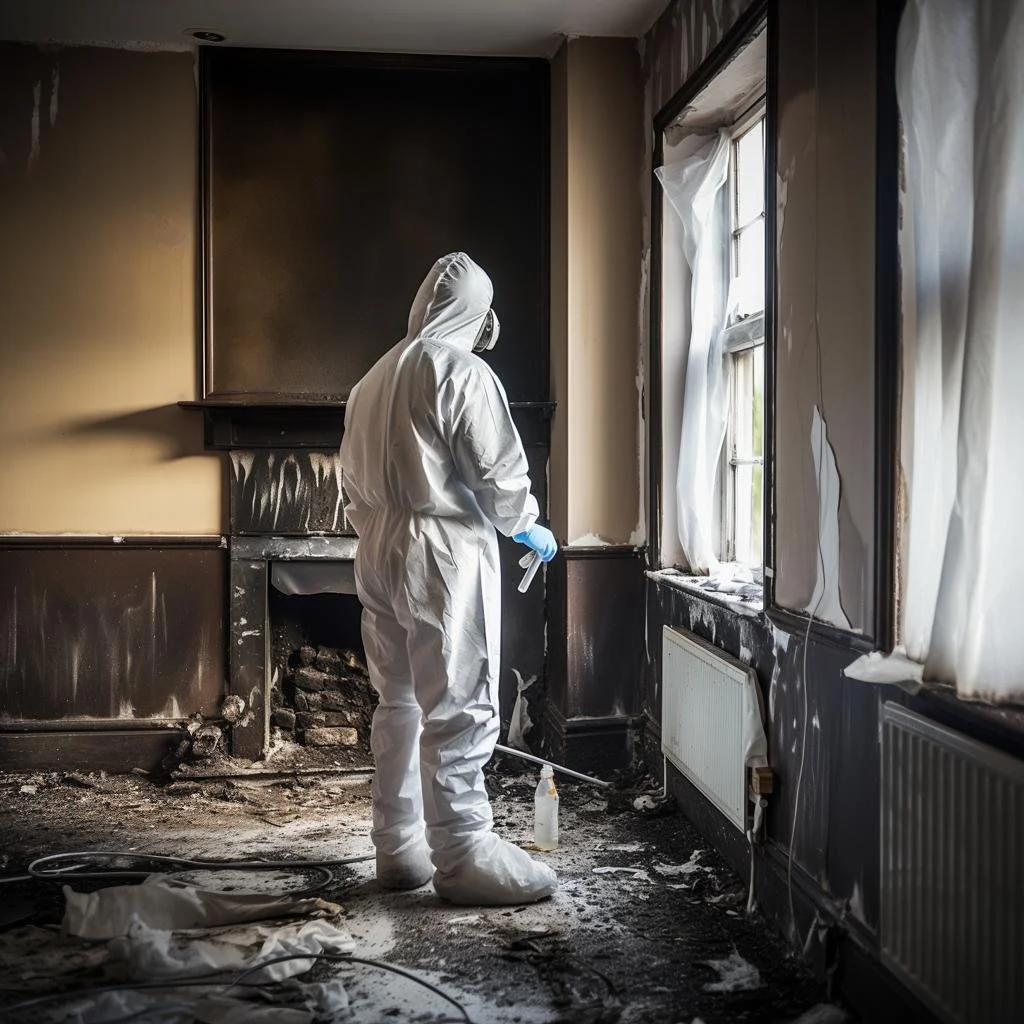
Experiencing a fire in your home or business is an incredibly distressing event. Once the flames are out, the true extent of the destruction often becomes clear. Beyond the charred structures, you’re left with lingering smoke odours, corrosive soot, and potential water damage from firefighting efforts. It’s a complex situation that requires a specialist approach to ensure the environment is made safe and habitable once again.
Navigating the aftermath of a fire shouldn’t be done alone. Professional cleaners have the expertise to handle hazardous materials and delicate restoration tasks that go far beyond standard cleaning methods. Understanding the steps involved can help you regain a sense of control during this challenging time.
Comprehensive Site Survey and Risk Assessment
The first step in any professional recovery operation is a thorough assessment of the property. Experts don’t just walk in and start scrubbing, they must first evaluate the structural integrity of the building and identify specific hazards. This includes checking for compromised electrical systems, weakened ceilings, and the presence of toxic substances released during the blaze.
During this stage, the team will determine the category of fire damage and the types of materials affected. They’ll provide a detailed plan of action and a quote, ensuring you understand the scale of the work required. They won’t begin the fire damage cleaning until a safe environment has been established for both the technicians and the occupants.
Immediate Mitigation and Water Extraction
If the fire services used water to extinguish the flames, your property might be suffering from significant moisture issues. Standing water can quickly lead to secondary problems like mould growth and structural rot. Professionals prioritise water extraction and the installation of industrial dehumidifiers to stabilise the internal climate.
Securing the property is also paramount. This might involve boarding up broken windows or covering damaged roofs with tarpaulins to prevent further weather damage or unauthorised entry. By taking these immediate steps, the team prevents the situation from worsening while they prepare for the intensive cleaning phase.
Removing Soot and Smoke Residue
Soot is highly acidic and can cause permanent staining or corrosion on surfaces like metal, marble, and plastic if it’s left for too long. Professional cleaners use specialised equipment and chemical solutions to lift these particles without spreading them further. They don’t just clean the visible areas, they also target hidden spaces like wall cavities and ventilation ducts.
Odour Neutralisation and Air Purification
The smell of smoke is notoriously difficult to eliminate because it permeates porous materials like wood, insulation, and fabrics. Masking the scent with air fresheners isn’t effective. Instead, professionals use advanced technology such as thermal fogging or ozone generators to break down the odour molecules at a molecular level.
This process ensures that the air quality is restored to a healthy level. Using air scrubbers throughout the project helps to remove airborne particulates, protecting everyone on site.
Final Restoration and Handover
The final phase involves deep cleaning every remaining surface to ensure no traces of carbon or chemicals remain. Once the cleaning is complete, the focus shifts to minor repairs or coordinating with contractors for larger reconstruction tasks. The goal is to return the property to its pre-incident condition as efficiently as possible.
Before finishing, a final inspection is conducted to confirm all safety standards have been met. You’ll receive documentation detailing the work carried out, which is often essential for insurance purposes.
