
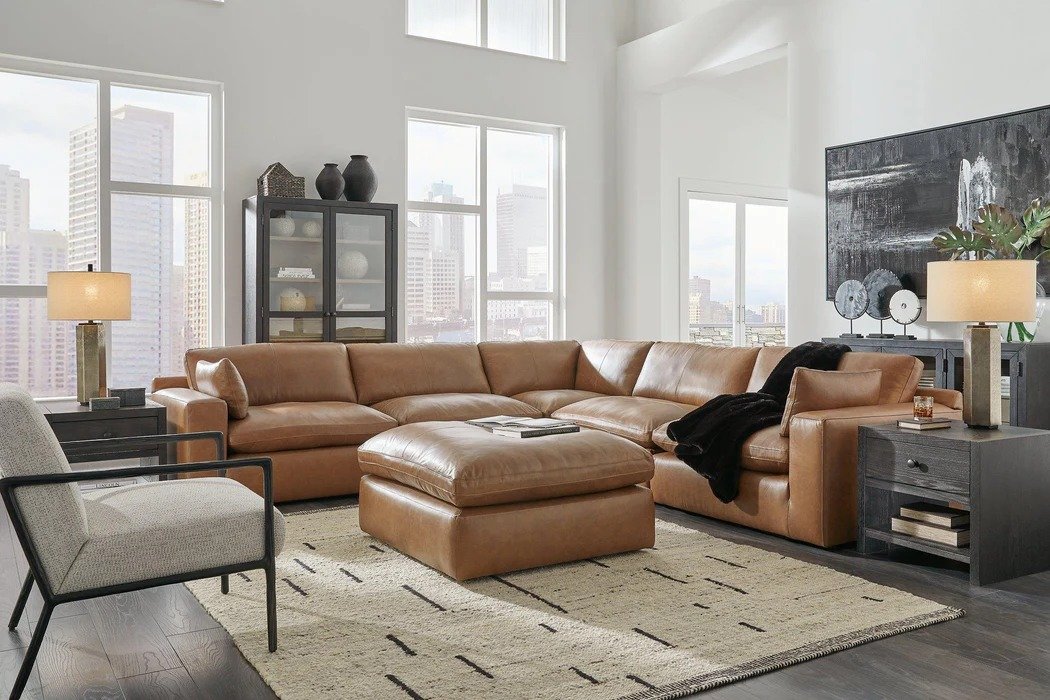
The living room often gets the most attention when it comes to sofas, coffee tables and statement lighting. Yet the element doing the quietest, and most influential, work is right underfoot. Flooring sets the emotional baseline of a space long before cushions are plumped or artwork is hung.
Unlike furniture, which can be swapped out or rearranged, the living room floor anchors everything visually and psychologically. It affects how a room feels to walk into, how light behaves, and how comfortable the space feels to actually live in.
Flooring Is the First Sensory Experience
Before anyone sits down, the floor has already made an impression. It’s felt through footsteps, seen across the entire room, and experienced subconsciously.
Warm-toned wooden floors tend to create a sense of comfort and ease. Cool stone or tile finishes can feel calm, structured or even slightly formal. Soft finishes like carpet absorb sound and make spaces feel quieter and more enclosed.
Furniture adds character, but flooring sets the emotional temperature from the moment someone enters the room.
It Covers the Largest Visual Surface
The floor is the biggest uninterrupted surface in the living room. Walls are broken up by doors, windows and shelving. Furniture comes in clusters. Flooring, however, runs beneath everything, tying the space together.
This means:
- Light floors make rooms feel brighter and more open
- Dark floors create intimacy and depth
- Patterned floors add movement and personality
- Natural grain adds warmth and visual texture
Because the eye constantly returns to the floor, its colour and finish quietly guide how the entire room is perceived.
Flooring Influences Light More Than Furniture
Natural light interacts with flooring all day long. Pale wood or softly brushed finishes bounce light around the room, making it feel airy and relaxed. Deeper tones absorb light, creating a cocooning, evening-friendly atmosphere.
Furniture reflects light in smaller patches. Flooring controls it across the whole space: morning to night, season to season.
This is why the same sofa can feel fresh and casual in one room, yet moody and dramatic in another. The floor beneath it changes the entire backdrop.
It Sets the Emotional Style Direction
Flooring often determines the design story before furniture enters the picture.
- Wide plank wood floors lean relaxed and contemporary
- Parquet or herringbone suggests heritage and craftsmanship
- Smooth stone-effect finishes feel modern and minimal
- Textured finishes feel lived-in and forgiving
Once the floor establishes this direction, furniture usually follows. Trying to fight against it can feel visually uncomfortable, no matter how beautiful the pieces are individually.
Flooring Feels Permanent
Sofas wear out. Trends shift. Accent chairs come and go. Flooring, on the other hand, is a long-term commitment, and the brain registers it as such.
This sense of permanence affects how settled a room feels. A well-chosen living room floor creates emotional stability, making the space feel grounded and intentional rather than temporary or unsettled.
It’s also why flooring decisions often have a bigger emotional payoff than buying new furniture. The room feels “done” in a deeper way.
Comfort Underfoot Changes How the Room Is Used
The feel of a floor affects behaviour more than expected.
Hard but warm finishes like engineered wood encourage barefoot living without feeling cold. Softer surfaces absorb sound, making rooms feel calmer and more relaxed. Practical finishes reduce stress around spills, pets and everyday life.
When the floor feels comfortable and forgiving, the living room naturally becomes more lived-in. People linger longer, relax more fully, and use the space as intended; not just for show.
It Creates Flow Beyond the Living Room
Living rooms rarely exist in isolation anymore. Open-plan layouts and connected spaces mean flooring often continues into dining areas, kitchens or hallways.
A consistent floor creates visual calm and flow, making the living room feel like part of a bigger, cohesive home rather than a standalone space. Furniture can help define zones, but flooring connects them emotionally.
This is especially important for homes designed around everyday living rather than formal, room-by-room layouts.
Is Flooring Worth Prioritising Over Furniture?
For many homes, yes. Furniture expresses personality, but flooring supports lifestyle, mood and longevity.
A thoughtfully chosen living room floor:
- Makes furniture look more intentional
- Reduces the need for constant updates
- Supports daily comfort and practicality
- Sets the emotional tone for the whole home
When the foundation feels right, everything placed on top tends to fall into place more naturally.
