
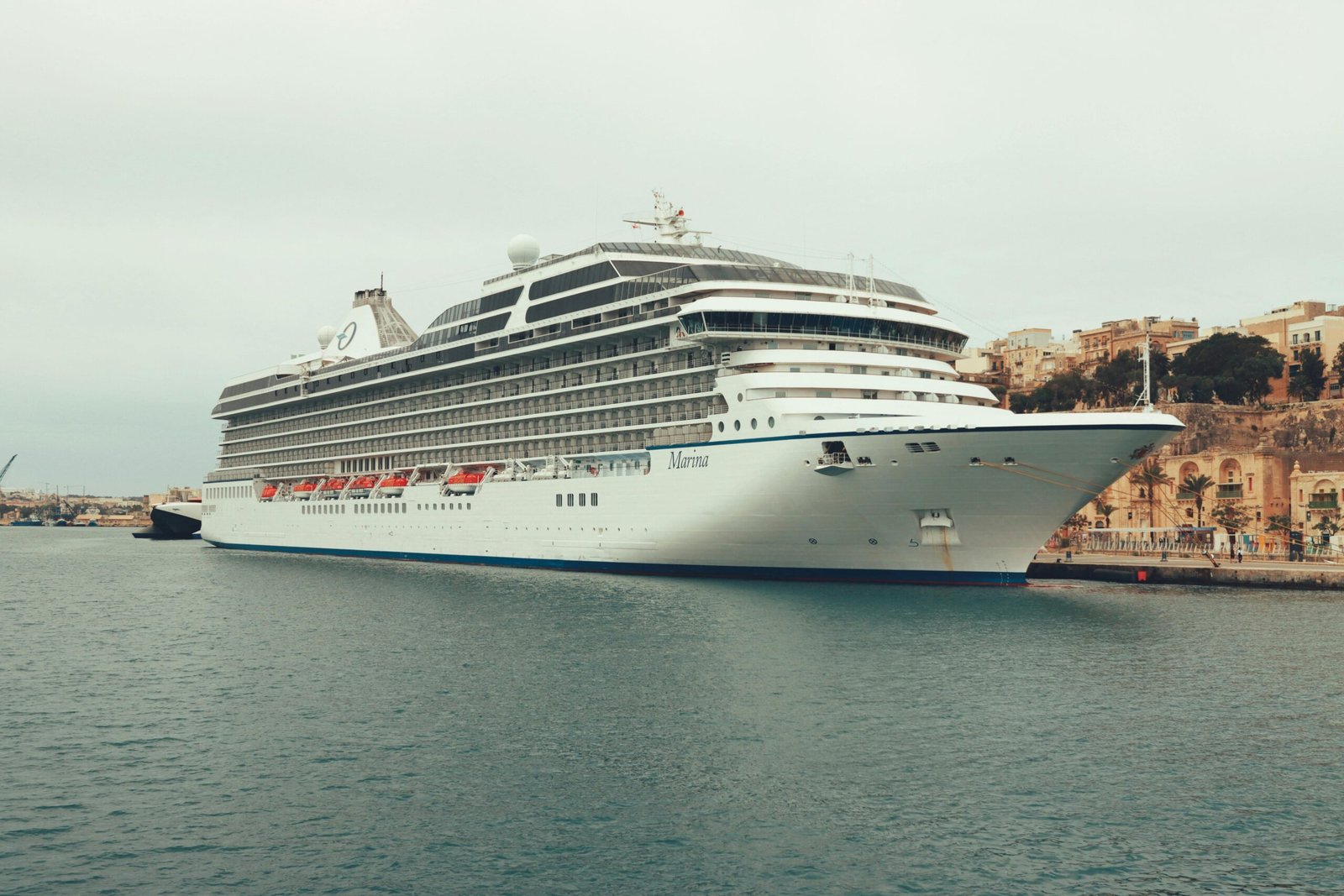
People want different things from a holiday. Some are happiest with a loose plan and a one-way ticket, while others like knowing roughly where they’ll be and what each day might look like. Cruises sit in an interesting middle ground, there’s a clear route and a rhythm to follow, but plenty of room to make the trip your own. If you’re comparing itineraries that take in several destinations at once, you might well come across MSC cruise deals while researching what’s out there.
That balance between knowing what’s coming and still having genuine variety is a big part of why cruises attract such a wide range of people. The itinerary gives the whole thing a shape, departure times, port stops, a general sense of how each day will unfold. Every stop brings something different, whether that’s a busy city, a quiet island or a stretch of coastline you’d never have thought to visit independently.
The comfort of knowing the route in advance
For a lot of people, planning ahead is genuinely enjoyable. Having a clear outline takes some of the anxiety out of travel. With a cruise, you know from the start where the ship will be on each leg of the journey, making it easier to think about what you actually want to do and which ports deserve more time.
This clarity is especially useful if coordinating a multi-destination trip independently sounds exhausting. Booking separate hotels, managing check-ins, hauling luggage between cities, it all adds up. A cruise removes much of that friction. The accommodation stays the same; the scenery outside changes.
A day in port also has a natural beginning and end, which quietly encourages prioritisation. Museum or market? Coastal walk or a long lunch? The timetable does some of the decision-making for you.
Variety without constant repacking
One of the most straightforward appeals of cruising is seeing several places without moving your belongings every other day. A single week might take in historic ports, island stops and scenic coastline. The surroundings keep shifting, but your cabin stays the same, there’s a continuity that’s hard to replicate when you’re switching hotels every few nights.
It suits people who enjoy noticing differences between places. A Mediterranean route might include Spain, France, Italy and Greece within the same fortnight, each quite distinct in food, architecture and atmosphere. That kind of comparison is part of what makes the experience feel substantial rather than superficial.
Freedom within a planned framework
Structured doesn’t mean rigid. One thing people don’t always realise about cruising is how much latitude you have within the itinerary. Some passengers book guided excursions to historic sites or nearby cities. Others wander off the ship and explore entirely on their own terms. On sea days, you can join scheduled activities or simply find a quiet corner and do very little.
This works particularly well for couples or groups with different interests. One person might want to visit every gallery going; another might be happiest browsing a food market. The cruise gives everyone the same overarching journey, but individual days can look quite different depending on who you ask.
A practical choice for multi-generational travel
Holidays with mixed-age groups can be tricky to plan. Priorities diverge, energy levels differ and what counts as a good day varies enormously. Cruises can work well here because they offer a shared route alongside genuine flexibility in how people spend their time.
Older travellers often appreciate not dealing with transfers and logistics between destinations. Younger travellers tend to enjoy the pace and variety of ports. Having the itinerary as a shared reference also reduces negotiation, everyone already knows what’s coming next and when the ship departs.
Destination variety and cultural discovery
For travellers who get restless staying in one place, the route itself becomes part of the appeal. European itineraries are a good example. You might take in Barcelona’s architecture, wander around Rome, island-hop around Greece and eat well in the south of France, all on the same trip. Northern routes offer something entirely different: Scandinavian cities, Baltic old towns, Norwegian fjords.
It can also be quietly educational. Noticing how neighbouring countries differ in language, landscape and food is one of the more underrated pleasures of this kind of travel.
The role of sea days
Sea days serve a real purpose. After a run of busy port visits, a day with nothing particular to do is often exactly what’s needed. The alternation between active days ashore and quieter days at sea gives the trip a more measured feel. You’re still covering ground, but much of the travelling happens while you’re asleep or at dinner, which makes it far less wearing than it might sound.
What to consider before choosing a cruise
It’s worth doing some homework before committing. Time in port varies considerably, some stops allow a full day ashore, others are much shorter, which matters if you have specific things in mind. The ratio of sea days to port days is worth checking too, depending on whether you want maximum sightseeing or something more relaxed.
It’s also worth being honest about whether this style of travel suits you. Some people love a clear route but still want freedom within each day. Others find any set itinerary restrictive and would rather plan everything themselves. Neither is wrong, it’s just useful to know which camp you’re in before booking.
A balance that suits modern travel habits
The enduring appeal of cruising comes down to that combination of structure and variety. You know where you’re going, but you’re not stuck in one place. There’s a plan, but it’s not prescriptive. You can see a lot without the trip feeling like a logistical endurance test, movement without constant disruption, choice without rebuilding the holiday from scratch every few days. For people who want to explore properly but prefer a clear framework, it’s a format that genuinely delivers.
