
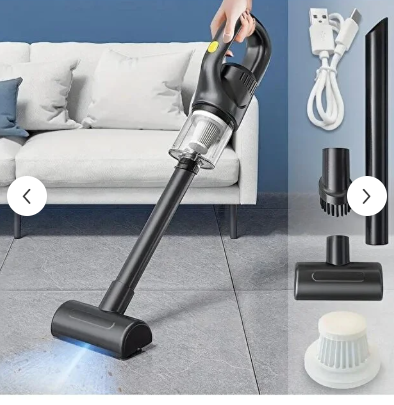
Keeping your home spotless can feel like a full-time job. From muddy footprints and spilt drinks to the constant battle against dust, floors often take the brunt of everyday messes.
For years, the trusty mop and bucket have been the go-to solution, but now, steam mops are stepping into the spotlight, promising a faster, more high-tech clean.
If you’ve been torn between the two, here’s a breakdown of the differences and a look at the pros and cons to help you find the method that will leave your floors gleaming.
The Basics of Classic Mopping
Let us first begin with something familiar, the old-school mop and pail. For decades, regular mopping has been the most commonly used floor-cleaning technique. It is simple, reasonably priced, and effective.
However, we should examine it a bit more closely. Typically, regular mopping involves using a mop, a bucket, water, and a cleaning agent. This method involves dipping the mop into the soapy water and wringing it out before working on your floors.
Although it is an excellent method for daily dirt, there are several issues. Mops often move dirt around rather than completely removing it.
You are indeed picking up some dirt, but are you truly clearing everything off the floor?
More importantly, some germs and bacteria could still be hiding even if you are careful with the water temperature or cleaning agent.
Another consideration is the drying time. Most conventional mops leave floors somewhat damp. If you have children and pets, or are not careful yourself, it can become quite dangerous until the floor dries.
Steam Mopping: The Modern Solution
Now, let’s address steam mopping, the newer option on the block. If you have not tried one yet, you’re probably wondering what all the fuss is about.
A steam mop heats water to a high temperature and releases steam onto the floor to loosen dirt and grime. It then leaves your floors shining by wiping away the residue.
Steam mopping offers significant hygienic benefits as well. It destroys most bacteria and germs without using strong chemicals, as temperatures in some areas can reach 93°C.
If you seek perfect cleaning but wish to avoid using too many chemicals, this is a considerable advantage.
It is especially beneficial if you have children or pets at home. Dirt and grime that regular mops could overlook are lifted by the heat.
There’s also the drying time. Steam mops require little water, so your floors dry in just a few minutes. You stop worrying about someone slipping or tiptoeing over damp flooring.
However, there are certain drawbacks. Generally speaking, steam mops cost more than their conventional equivalents.
In addition, if not used correctly, too much heat can damage some floor types, including laminated ones or hardwood.
Deep Clean vs Surface Clean
Usually, it all comes down to your desired level of cleanliness.
For surface-level dirt, regular mopping works well. It will make your floors look clean, but as mentioned earlier, it does not completely eliminate germs and bacteria hiding within.
On the other hand, steam mopping penetrates deeper. For those who want their flooring to look great and stay hygienic, steam mopping both cleans and sanitises effectively. It can be the solution for achieving amazing cleaning results.
It is ideal whether you have young children crawling around or pets who treat the floor as their second bed. Even if you simply enjoy the fresh, germ-free feel, steam mopping offers an effective option.
The Environmental Factor
When considering the impact on our planet, these two mopping techniques show significant differences.
Regular mopping usually requires cleaning products. Some of these contain strong chemicals that are not particularly sustainable.
This is especially concerning if they end up down the drain and into rivers. Besides, frequent mopping uses a lot of water and numerous buckets.
In contrast, steam mopping uses little water. The high heat of the steam takes care of bacteria and filth, eliminating the need for chemicals completely.
Steam mops also have a modest energy cost because they heat water with electricity. So, in terms of environmental friendliness, steam mopping definitely has some advantages.
Convenience and Maintenance
It takes effort to keep your cleaning tools in good condition. Upkeep for standard mops involves routinely washing and disinfecting the mop head and ensuring it dries completely.
The smell of a mouldy mop is, frankly, unpleasant, and sponges or mop heads also need to be replaced periodically.
Though mostly low-maintenance, steam mops have a few issues. If you live in a hard-water area specifically, you must ensure the water tank is regularly cleaned to avoid mineral buildup.
When considering expenses, some models require distilled water for optimal functioning. After every use, the mop pads will also need washing.
Steam mopping excels here, though you can avoid the bucket and the dirty wringing out of the mop head. Once you have the technique, steam mopping is quick, neat, and relatively hassle-free.
Which Is Better for Different Floor Types?
Your flooring type will determine whether steam or regular mopping is best for you.
Steam mops work well for vinyl, stone, and sealed tile floors. The heat easily lifts surface dirt.
On some floors, such as unsealed hardwood, laminate, or sensitive surfaces that can warp or get damaged by heat and moisture, steam mopping is not advised.
In this respect, regular mopping is more flexible. The floor type will guide your water and cleaning solution dosage.
That’s why traditional mopping is a safe bet, whether it is wood, tile, or linoleum, as long as you are careful not to oversaturate wooden floors.
The Verdict
Regular mopping could be your best option if you are looking for a basic, reasonably priced solution and do not mind some physical effort. For most residences and flooring types, this is a tried-and-true approach that works effectively.
Nevertheless, steam mopping is the best choice if you want a deeper clean and are after top-notch cleaning results.
It is particularly helpful if you want to ensure your floors are hygienic or if you deal with busy areas. Although initially more expensive, the ease and sanitising power make the investment worthwhile.
Conclusion
There is no one-size-fits-all solution in the ongoing debate between steam and regular mopping. It essentially comes down to what your home requires.
While traditional mopping is a classic method that gets the job done, steam mopping could provide you with a fresh, clean, and germ-free floor with less effort.
Whether your preference is old-fashioned or modern, you will be one step closer to that sparkling home you have always dreamed of.
