
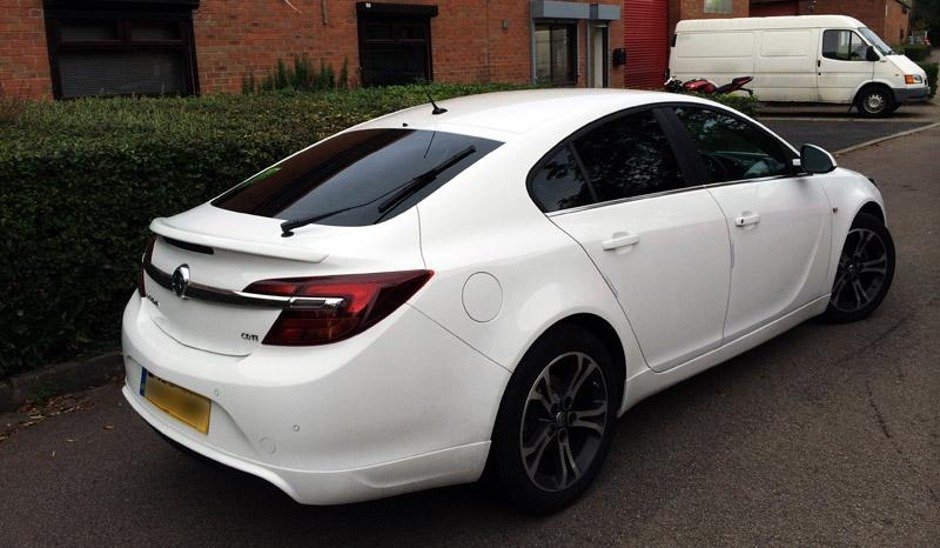
A professional-looking car window tint on a UK driveway depends on dry weather, clean glass, careful film application, and the right VLT. Pre-cut tint kits simplify installation, while professional fitting can be a better choice for complex glass, poor weather, or a consistent finish.
Key takeaways:
- Weather: Choose a dry, mild day and avoid direct sunlight during installation
- Preparation: Clean the glass thoroughly and control dust before applying the film
- VLT: Check the combined VLT of the glass and film, especially for front windows
- Professional fitting: Consider an experienced fitter for complex glass, difficult conditions or a consistent finish
Fancy tinting your own windows over a weekend, but worried the British weather will ruin the finish? You are right to be cautious; UK conditions make DIY tinting genuinely harder than in drier climates.
With the right prep and a pre-cut car window tint kit, a driveway finish that actually looks professional is achievable.
However, DIY is not the only option. If you are dealing with complex glass, do not have suitable working conditions, or simply want the finish without spending your weekend learning the process, professional window tinting can often be the more straightforward choice. This guide covers both, so you can decide which approach makes the most sense for your vehicle.
Why UK Weather Makes Driveway Tinting Harder Than It Looks
Tinting a car is not necessarily complicated, but the procedure is genuinely sensitive to the weather. The adhesive needs a stable, clean, dry environment to bond properly.
UK annual humidity averages around 80%, driven by the country’s exposure to Atlantic weather systems. That’s meaningfully damper than the conditions most tint manufacturers design their working guidelines around.
The UK’s average maximum temperature sits around 13.4°C annually, which means genuinely warm, dry working windows are more limited than in hotter climates.
| 💡Quick Tip: Aim for a dry day above 15°C wherever possible. Cold, damp air slows adhesive curing and increases the risk of trapped moisture under the film. |
If you are planning to installpre-cut car window tint in the UK, do not feel that you have to force a DIY installation if the weather is not cooperating. A professional installer has a more controlled working environment and the experience to work around conditions that can make a first-time driveway installation frustrating.
Know the Legal Limits Before You Start
Before picking up a kit, it is worth confirming what’s actually legal. DIY tinting does not have a different set of rules from professional fitting.
Under UK regulations, front side windows must let through at least 70% of light (VLT), and the windscreen at least 75%, according to official government guidance. Rear windows have no legal darkness limit.
| ⚠️Caution: These limits apply to your glass and film combined, not the film rating alone. A film advertised as “50%” does not mean your window ends up at 50% VLT, since factory glass already blocks some light before the film is added. |
This is one area where professional fitting can make sense, particularly if you are unsure about the existing glass or the final VLT level. Choosing a film based only on its advertised percentage can leave you with a result that does not meet the legal requirement.
Why Pre-Cut Car Window Tint UK Kits Make Sense for Driveway Jobs
Cutting film freehand to match a curved window is where most DIY jobs go wrong. Pre-cut tint for cars removes that entire step, since the film arrives already shaped to your specific vehicle model.
| Approach | Cutting Skill Needed | Waste Risk | Fit Accuracy |
| Bulk roll film, cut freehand | High | High | Variable |
| Pre-cut car window tint UK kit | None | Low | Consistent, model-specific |
Table 1: Pre-Cut vs. Freehand Car Window Tinting for DIY Installation
This matters even more in UK conditions, since a slower, more confident install gives adhesive less time exposed to damp air before it is properly positioned.
That said, a pre-cut kit removes the cutting stage, not the fitting skill. The film still needs to be positioned correctly, worked around the glass, and squeezed without introducing bubbles, creases, or contamination. Even with pre-cut tint for cars, careful application is still needed to achieve a clean finish. If you are not confident with that part of the process, having a professional handle the installation can be worth considering.
Preparing Your Driveway for a Professional-Looking Finish
The environment matters just as much as the film itself. A few adjustments make a real difference to the outcome.
Choose Your Timing Carefully
A dry day is the most suitable, ideally with low wind and no rain forecast for at least a few hours. Start working early in the afternoon, once the morning dew has cleared. This time tends to work best.
When fittingpre-cut car window tint in the UK, postponing the job is usually better than rushing it if you cannot find a suitable weather window. Professional fitting is another option if waiting for the right conditions is not practical.
Create a Dust-Controlled Work Area
Hose down the surrounding driveway beforehand to settle dust, since airborne particles trapped under film are one of the most common DIY tinting mistakes.
Even with careful preparation, a driveway is still an outdoor working environment. Wind, dust, and changing temperatures can make it much harder to maintain the clean conditions needed for a consistently smooth finish. This is one of the practical advantages of having the work completed professionally.
Work in Indirect Light, Not Direct Sun
Film repositioning will get difficult if the procedure is carried out under direct sunlight. The slip solution dries too quickly and does not give time for the film to set. So, either work under a shade or choose an overcast (but dry) day over a clear, sunny one.
If you cannot create a suitable shaded working area, this is another situation where professional fitting can be preferable. A controlled installation environment makes it easier to manage the film and achieve a consistent result.
| 📝 A first-time DIY fitter tackled a full set of windows on a bright, sunny July afternoon, only to find the slip solution drying before each panel could be properly aligned. Switching to an early morning slot on a mild, overcast day the following weekend produced a noticeably cleaner, bubble-free result. |
When a Driveway Job Is Not the Right Call
Not every job suits a DIY driveway approach, particularly larger, curved rear windscreens or vehicles with complex glass shapes.
- Rear windscreens with pronounced curves are harder to fit bubble-free without experience
- Cold, consistently damp weeks limit your realistic install window significantly
- Front windows carry legal VLT requirements, so a miscalculated film choice risks an MOT failure
- Larger or more complex tinting jobs can take considerably longer than expected for a first-time installer
- Working outdoors increases the risk of dust or debris becoming trapped beneath the film
- If you want a consistent finish across every window, professional installation removes much of the trial and error involved in learning the process
| When to Call a Professional DIY tinting may be suitable for straightforward windows, but professional fitting can be the better option if: ✓ Your vehicle has heavily curved or complex glass ✓ You want to minimise bubbles, creases, or trapped dust ✓ You are unsure about VLT requirements ✓ The weather or driveway conditions are not suitable ✓ You are tinting multiple windows or a larger vehicle ✓ You’d rather leave the installation to an experienced fitter |
Final Thought
A professional-looking tint finish on your own driveway is achievable in the UK, but only with the right timing, preparation, and materials. A pre-cut car window tint UK kit removes the hardest step, while working around the weather, not against it, handles the rest.
But DIY is not the only way to get a clean result. If your vehicle has complex glass, the weather is not suitable, you are concerned about legal VLT levels, or you simply want the job done without the hassle, professional fitting can be a better option.
The right choice ultimately depends on how confident you are with the installation and how important a consistent, professional finish is to you.
Ready for a Cleaner Tint Finish, DIY or Professional?
Whether you choose to tackle the tint yourself or have it professionally fitted, the key is choosing an approach that suits your vehicle, the weather, and the finish you want to achieve. Taking the time to prepare properly can make all the difference to the final result.
