
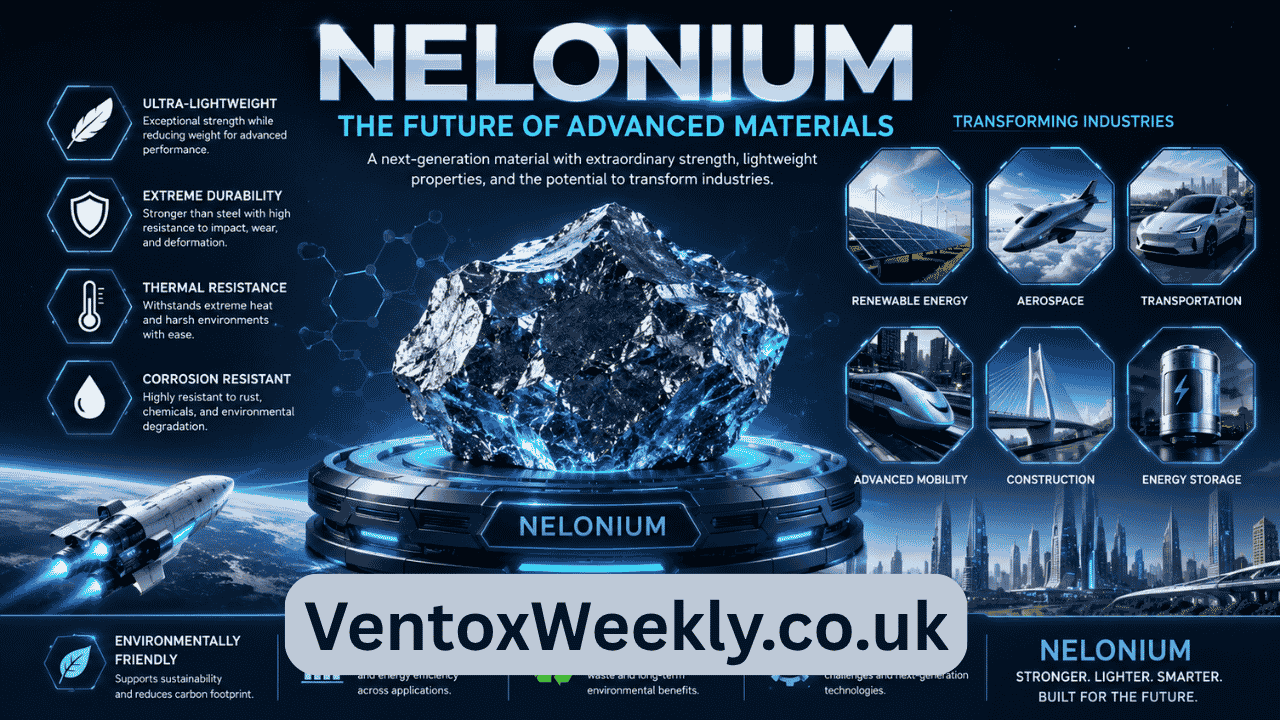
In today’s rapidly evolving technological world, futuristic materials and innovative scientific concepts continue to capture global attention. One emerging keyword that has started gaining curiosity online is nelonium. Although the term is still relatively new and largely speculative, nelonium is increasingly being discussed in connection with advanced material science, renewable energy, aerospace engineering, and futuristic technologies. As industries continue searching for stronger, lighter, and more sustainable materials, concepts like nelonium have become fascinating subjects for technology enthusiasts, researchers, and digital trend followers alike.
The growing popularity of nelonium reflects society’s ongoing interest in breakthrough innovations that could potentially reshape the future. From ultra-lightweight transportation systems to next-generation energy solutions, many online discussions describe nelonium as a revolutionary material capable of transforming multiple industries. While there is currently no official scientific confirmation of nelonium as a recognized chemical element or commercially available material, the concept continues to spread across blogs, futuristic technology websites, and online discussions.
This comprehensive, SEO-friendly article explores everything you need to know about Nelonium, including its meaning, potential properties, theoretical applications, technological potential, industrial uses, environmental benefits, challenges, and why it continues to attract online attention.
What Is Nelonium?
Nelonium is commonly described as a futuristic or hypothetical advanced material associated with high-performance engineering and next-generation scientific innovation. The term is often used to represent a material that combines exceptional durability, lightweight properties, thermal resistance, and energy efficiency.
Unlike traditional metals or alloys used in manufacturing, nelonium is often portrayed as a super-material capable of outperforming existing engineering materials across multiple areas. Although scientific databases do not currently recognize nelonium as an official element or verified compound, the concept has gained popularity due to its association with futuristic technology and advanced industrial applications.
The name itself sounds scientific and modern, which has contributed to its growing online visibility. Similar to terms like graphene, vibranium, or nanomaterials, nelonium represents the idea of a revolutionary material that could dramatically improve modern technology if it were to become a reality.
The Origins and Growing Popularity of Nelonium
The exact origin of the keyword nelonium remains unclear. However, the term appears to have emerged from speculative technology discussions, science-inspired blogs, and SEO-driven innovation content. As internet users search for futuristic concepts and advanced materials, nelonium has started appearing in articles discussing the future of engineering, renewable energy, and sustainable infrastructure.
Several factors contribute to the rising popularity of Nelonium online:
- Increasing interest in futuristic technologies
- Curiosity about advanced engineering materials
- Growth of AI-generated science content
- Public fascination with sustainability and innovation
- Search trends related to speculative science
The keyword has become especially attractive for digital publishers because it combines mystery, innovation, and futuristic appeal. Readers are naturally curious about new scientific concepts, particularly when they sound realistic and technologically advanced.
Theoretical Properties of Nelonium
Although nelonium remains speculative, many online discussions consistently associate it with several advanced properties. These theoretical characteristics help explain why the concept has attracted attention in discussions of futuristic technology.
Lightweight Structure
One of Nelumbo’s most frequently mentioned qualities is its lightweight composition. Compared to traditional metals like steel or aluminum, nelonium is often imagined as significantly lighter while still maintaining incredible strength.
This lightweight nature could potentially improve:
- Vehicle fuel efficiency
- Aircraft performance
- Portable electronics
- Construction materials
- Space exploration systems
Reducing weight while maintaining durability is one of the biggest goals in modern engineering, making this characteristic particularly appealing.
Exceptional Strength and Durability
Another major feature of Nelonium is its extraordinary structural strength. Some descriptions portray it as stronger than steel, yet flexible and resistant to damage.
Potential advantages of such strength could include:
- Longer-lasting infrastructure
- Safer transportation systems
- Reduced maintenance costs
- Improved industrial machinery
- Enhanced aerospace components
If a material like nelonium were ever developed, it could significantly impact manufacturing and engineering industries worldwide.
Thermal and Heat Resistance
Modern industries often require materials that can withstand extreme temperatures. Nelonium is commonly described as highly heat-resistant, making it potentially suitable for environments where traditional materials may fail.
Possible applications include:
- Jet engines
- High-speed transportation
- Spacecraft engineering
- Energy production systems
- Industrial manufacturing equipment
Heat resistance is especially important in aerospace and renewable energy technologies.
Corrosion Resistance
Corrosion remains a major problem for many industries. Rust and material degradation cost billions of dollars globally each year. Nelonium is often imagined as highly resistant to corrosion and environmental damage.
This property could make it valuable for:
- Marine engineering
- Offshore energy systems
- Infrastructure development
- Transportation networks
- Industrial facilities
Long-lasting materials reduce replacement costs and improve sustainability.
Nelonium and Renewable Energy
One reason Nelonium has attracted attention is its connection to discussions about renewable energy. Many futuristic articles describe the material as potentially capable of improving clean energy systems.
Solar Energy Applications
If nelonium possessed superior conductivity and heat resistance, it could theoretically improve solar panel performance by increasing efficiency and durability.
Potential benefits could include:
- Better energy conversion
- Longer solar panel lifespan
- Improved weather resistance
- Lower maintenance costs
Wind Energy Infrastructure
Modern wind turbines require strong but lightweight materials. Nelonium’s theoretical properties could potentially help create more efficient turbine blades and stronger support structures.
Possible advantages might include:
- Improved turbine performance
- Reduced structural weight
- Better weather durability
- Higher energy output
Energy Storage Systems
Advanced battery technologies require materials capable of handling high-energy loads while remaining stable and efficient. Nelonium is sometimes described as a potential breakthrough material for future energy storage systems.
This could influence:
- Electric vehicles
- Portable electronics
- Renewable energy grids
- Smart energy systems
Nelonium in Aerospace and Space Exploration
The aerospace industry constantly seeks materials that are lightweight, durable, and capable of surviving extreme conditions. Nelonium is often associated with futuristic spacecraft and aviation technologies.
Aircraft Manufacturing
If nelonium combined high strength with low weight, it could revolutionize aircraft production by:
- Reducing fuel consumption
- Increasing flight efficiency
- Improving passenger safety
- Lowering emissions
Space Exploration
Space missions require materials that can withstand radiation, heat, and pressure. Nelonium’s imagined properties make it a common concept in discussions of futuristic space technology.
Possible space-related applications include:
- Satellite components
- Spacecraft structures
- Mars exploration systems
- Deep-space missions
Nelonium and Transportation Technology
The transportation industry is rapidly evolving toward greater efficiency and sustainability. Many speculative discussions describe nelonium as a material capable of improving future mobility systems.
Electric Vehicles
Electric vehicles depend heavily on lightweight materials to maximize battery efficiency. Nelonium could theoretically contribute to:
- Longer driving range
- Faster acceleration
- Reduced charging needs
- Better battery performance
High-Speed Transportation
Future transportation concepts such as hyperloops and magnetic rail systems require advanced engineering materials. Nelonium’s theoretical strength and heat resistance make it an attractive concept in such discussions.
Nelonium in Construction and Infrastructure
The construction industry continually seeks stronger, more sustainable materials. Nelonium is often imagined as a revolutionary building material capable of improving modern infrastructure.
Stronger Buildings
Potential benefits could include:
- Earthquake-resistant structures
- Longer-lasting bridges
- Lightweight skyscrapers
- Improved safety standards
Sustainable Construction
Sustainability is becoming increasingly important in global construction. If nelonium were recyclable and environmentally friendly, it could contribute to greener infrastructure development.
Environmental Benefits of Nelonium
One reason futuristic materials attract attention is their potential environmental impact. Nelonium is often linked with sustainability and eco-friendly engineering.
Possible environmental advantages include:
- Reduced industrial waste
- Longer-lasting products
- Lower carbon emissions
- Improved energy efficiency
- Reduced resource consumption
As global industries increasingly prioritize environmental responsibility, advanced materials could play an essential role in achieving sustainability goals.
Challenges and Limitations of Nelonium
Despite the excitement surrounding Nelonium, several major challenges remain.
Lack of Scientific Evidence
Currently, there is no verified scientific proof that nelonium exists as a real material or chemical element. Most references come from speculative blogs and futuristic discussions rather than academic research.
Technological Complexity
Even if a material with nelonium-like properties were theoretically possible, developing it would require enormous technological breakthroughs in:
- Nanotechnology
- Material science
- Engineering
- Manufacturing systems
High Development Costs
Advanced materials are often expensive to research and produce. Creating a revolutionary material would likely involve years of experimentation and massive investment.
Why Nelonium Continues to Attract Attention
The popularity of nelonium highlights humanity’s fascination with future technology. People are naturally interested in ideas that promise:
- Faster innovation
- Better sustainability
- Advanced engineering
- Improved lifestyles
- Scientific breakthroughs
The keyword also performs well online because it sounds realistic and scientifically plausible. As AI-generated content and speculative technology discussions continue growing, terms like nelonium may become increasingly common across digital platforms.
The Future of Nelonium
Whether nelonium eventually becomes a real scientific discovery or remains a speculative concept, the keyword reflects the direction modern technology is heading. Researchers worldwide are already developing advanced materials that share some of the qualities associated with nelonium, including graphene, carbon nanotubes, and ultra-light composite materials.
Future technological progress may eventually lead to materials capable of delivering many of the properties currently associated with nelonium. Even if the exact term remains fictional, the ideas behind it continue inspiring curiosity and innovation.
Conclusion
Nelonium represents a fascinating futuristic concept tied to advanced material science, renewable energy, aerospace engineering, and next-generation technology. Although there is currently no official scientific evidence of its existence, the keyword continues to gain attention online due to its association with innovation, sustainability, and high-performance engineering.
You May Like: Soutaipasu: Meaning, Uses, and Importance in Modern Computing
