
Introduction
Trekking in Nepal is not only travel; it is a deep experience of mountains, culture, struggle, and beauty together. Every trail tells a story; every step gives a new feeling. Among many famous journeys, three treks always stand out like legends: the Everest Base Camp Trek, the Annapurna Circuit Trek, and the Manaslu Circuit Trek. These routes are not simple walks; they are life memories, full of adventure, challenge, and peaceful moments. Some people go for big mountains, some go for silence, and some go for self-discovery. These treks give all things in different ways. One trek takes you close to the world’s highest peak, another circles wide landscapes and changing climates, and another moves through remote valleys where nature is still untouched. The beauty is different, the difficulty is different, but the emotion is the same—unforgettable. From busy teahouse trails to quiet mountain villages, from icy glaciers to green forests, these treks offer a complete Himalayan feeling. It is not only about reaching the destination but also enjoying the journey, people, views, and personal strength growing day by day.
Everest Base Camp Trek
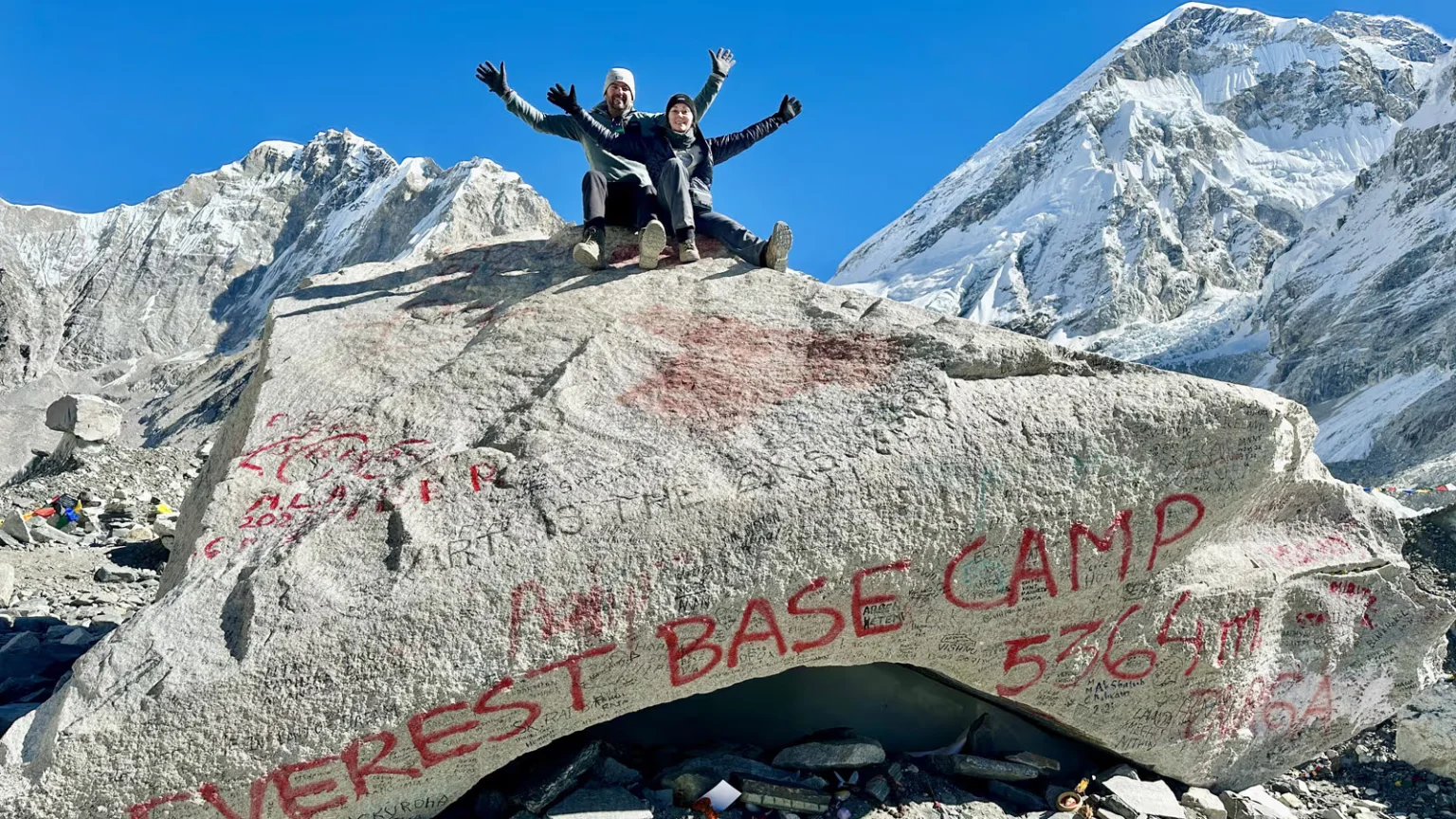
The Everest Base Camp Trek is the dream of many people. Everyone wants to see Mount Everest up close. This trek starts from Lukla, a small airport very famous in Nepal. Many people are scared to fly to Lukla, but it is an adventure. From Lukla, you walk through many villages, forests, rivers, and bridges. The trail is not easy but is very beautiful. You see mountains like Nuptse, Lhotse, and Ama Dablam. Villages here are very small, people live simple lives, and the Sherpa culture is amazing. You learn about prayer flags, mani walls, and monasteries. The trek is about 12-14 days depending on if you walk slow or fast. You climb very high; many people feel a small headache, cold, or fatigue, but the experience is amazing. You see Everest Base Camp and the Kala Patthar view; it is an unbelievable view. Sunrise and sunset from Kala Patthar is very, very beautiful. When you take a photo, you feel like you touch the sky. Tea houses are simple but good; food is simple but tasty. Dal, noodles, and soups are everywhere. People meet other trekkers, make friends from around the world, laugh, and talk about their journey. Everest Base Camp Trek is not only a mountain; it is culture, friendship, nature, and challenge. You need warm clothes, boots, a sleeping bag, and a good backpack. The best time is March-May and September-November. You avoid the monsoon and the coldest winter. Guides are helpful; porters make life easy. If you want a challenge with a reward, the Everest Base Camp Trek is perfect.
Annapurna Circuit Trek
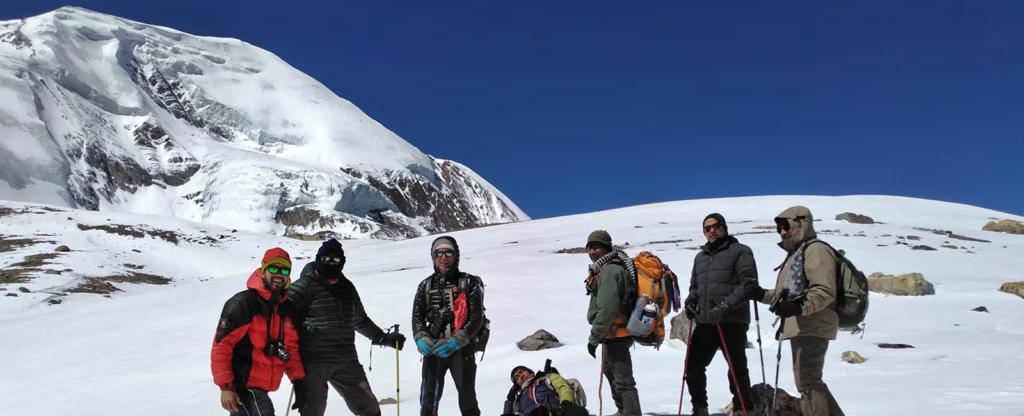
The Annapurna Circuit trek is very different from the Everest trek. It is long, about 16-18 days depending on pace. Starting from Besishahar or Bhulbhule, you walk through rice fields, rivers, villages, forests, and mountains. The Annapurna Circuit is famous because it gives you variety. You see low hills, tropical forests, rhododendron forests, high mountains, and desert mountains near the Thorong La pass. It is like walking through the world in one trek. You cross Thorong La pass, 5416 meters; it is very high; some people fear it, but guides and acclimatization help. The view from the past is amazing. You see Annapurna, Dhaulagiri, Manaslu, Machhapuchhre, and many peaks. Villages here are different from those on the Everest side. People are different, cultures are different, and food is different. You eat dal bhat, momo, and soups. Tea houses bigger than Everest’s side, hot showers sometimes available. Annapurna Circuit The trek is long but beautiful. Many rivers, waterfalls, hot springs, forests, and caves. It is good for people who love nature, photography, and long adventures. You meet people from around the world; sometimes you walk alone, and sometimes you walk in a group. Each step is a surprise. The best time is the same as Everest: spring and autumn. Monsoon makes the trail slippery and winter cold. The Annapurna Circuit is a classic trek; many people finish it every year.
Manaslu Circuit Trek
The Manaslu Circuit Trek is less famous than Everest and Annapurna but very beautiful, especially for adventure lovers. It is new for foreign trekkers because the government opens late. Manaslu is the 8th highest mountain, a big one. The trail is difficult and remote and requires a guide and permit, but it is an amazing experience. You walk through small villages, bamboo forests, rice fields, rivers, and glaciers. People are different, and the culture is a mix of Tibetan and Nepalese. You see many walls, chortens, monasteries, and prayer flags everywhere. The Manaslu Circuit Trek is about 14-18 days, depending on speed. You cross Larkya La pass, 5106 meters, very high, very cold, very hard. But the reward is great. You see Manaslu, Himlung Himal, and Cheo Himal. You feel like an explorer because the trail is remote, less crowded, and a wild animal sometimes,sometimes wild,a river and bridge adventure. Tea houses are small but friendly. The food is simple but tasty. Hot water is rare, but locals are very kind. The Manaslu Trek is for people who want adventure, challenge, nature, and culture together. You need a strong body, good equipment, and mental preparation. Guides and porters are very important. You feel proud when you finish the trek. Views, village life, mountain air, friendship with locals, and trekkers make life special.
Comparison and Tips
All treks are special; all treks have adventure, culture, nature, and challenges. Everest Base Camp is famous, crowded, and of moderate difficulty. The Annapurna Circuit is long, with a variety of nature and culture, a classic trek, and moderate to high difficulty. The Manaslu Circuit is remote, challenging, very beautiful, less crowded, and difficult.
Tips for all treks:
- Walking slow, high altitude is no joke.
- Drink water and eat simply but enough.
- The guide and porter were very helpful.
- Sleep warm; clothes, boots, and gloves are important.
- A camera is a must, because every corner is a photo.
- Respect local culture, monks, villages, and prayers.
- Prepare mentally for cold, fatigue, and long walks.
- The best season is March-May and September-November.
Food and Accommodation
Food is simple on all treks, mostly dal bhat, noodles, soup, momo, eggs, tea, and coffee. Sometimes western food like pasta or bread depends on the village. The accommodation is a tea house, a very small room, a mattress, a blanket, and, sometimes, a heater. Everest is more crowded, Annapurna medium, and Manaslu less. Prices are different: Everest is expensive, Annapurna is medium, and Manaslu is sometimes expensive because it is remote.
Local Culture and People
Nepalese people are very kind, friendly, and humble. Sherpa culture is strong in Everest, Tibetan influence in Manaslu, and Gurung and Magar culture in Annapurna. You see prayer flags, mani walls, monasteries, and stupas. People smile, greet, and help. Festivals sometimes happen; you are lucky if you meet. You learn that life is simple, and people are happy with little. Local guides share stories, religion, history, and mountain legends.
Adventure and Nature
All treks give adventure and nature. Everest is high mountains, glaciers, snow, and cold. Annapurna is a variety of river, forests, waterfalls, high passes, and deserts near Thorong La. Manaslu is a remote, wild forest, river, glacier, high pass, and real adventure. Wildlife sometimes, birds, monkeys, maybe snow leopards if lucky. Rivers are cold, bridges sometimes shaky, forests dense, and mountains huge. You feel small in nature but happy.
Gear and Preparation
Before the trek, gear is very important:
- Warm jacket, fleece, thermal clothes.
- Good trekking shoes, socks, gloves, and cap.
- Sleeping bag, backpack, rain cover.
- Water bottle, snacks, first aid.
- Sunglasses, sunscreen, and trekking poles are helpful.
- Passport, permit, money, phone, power bank.
Physical preparation helps: walking, going to the gym, taking stairs, and practicing. Mental preparation is also important: patience, endurance, and courage. Guides and porters make the trek easy and safe.
Safety and Health
High altitude is a risk, headache, nausea, and fatigue. Walk slowly, drink water, eat, and rest. Listen, body. Cold, snow, river crossing, bridge, and slippery rocks need care. Travel insurance is helpful. The weather changes fast, so be ready. Mountain rescue is sometimes slow, so be careful. Trekking with company recommendations, especially Manaslu or remote areas.
Conclusion
Nepal trekking is a life experience, very different from normal life. Everest Base Camp Trek, Annapurna Circuit Trek, and Manaslu Circuit Trek are all special, all challenging, and all beautiful. Everest Base Camp gives a close view of the highest mountain, Sherpa culture, glacier adventure, moderate difficulty, and crowded but amazing. Annapurna Circuit is a classic, long trek with a variety of nature and culture, rivers, forests, high passes, beautiful views, and moderate-high difficulty. Manaslu Circuit is remote, wild, less crowded, Tibetan, cultural, high-pass, adventurous, and more difficult but very rewarding. All treks teach you patience, courage, endurance, happiness with small things, friendship with people from around the world, and respect for nature and culture. Tea houses, food, and locals make life easy. Every day is a new surprise; every step is a new view. Mountains give peace, rivers give calm, forests give fresh air, and sunrises and sunsets give unforgettable moments. Nepal trekking is not only walking; it is feeling, it is a life lesson, it is adventure, and it is happiness. Everyone should try at least one trek, maybe more. Trekking in Nepal is a dream, a reality, and a memory for life. You feel proud, happy, and alive. Mountains are calling; you should answer.
Contact to Escape Himalaya
You Can contact Escape Himalaya by using our email address info@escapehimalaya.com We are available at any time. Escape Himalaya will deliver you price-worthy services, professional guides, trained staff, and assistance on every trip.
