
Introduction and Market Relevance
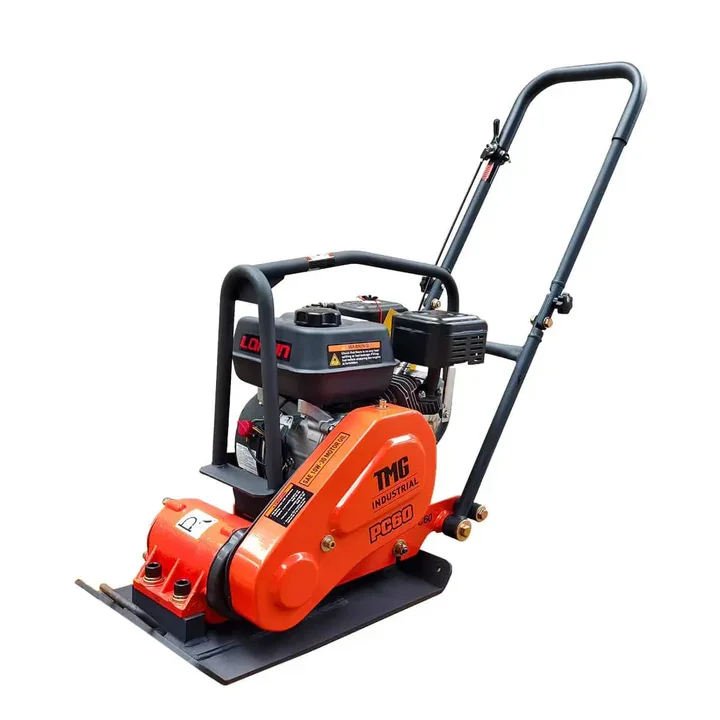
Across Canadian construction sites, proper soil compaction is essential for stable foundations, pavements, and landscaping. Loose soil settles over time, causing cracks in concrete and uneven paving. A heavy-duty plate compactor provides mechanical compaction for granular soils, gravel, and asphalt. Canadian contractors, landscapers, and utility crews use these machines to prepare base materials for driveways, sidewalks, patios, and building foundations.
Common Applications and Compaction Methods
Plate compactors are commonly used for:
· Base preparation for concrete slabs
· Sub-base compaction for asphalt driveways
· Trench backfill compaction for utility work
· Paver base preparation for patios and walkways
· Soil stabilization before landscaping
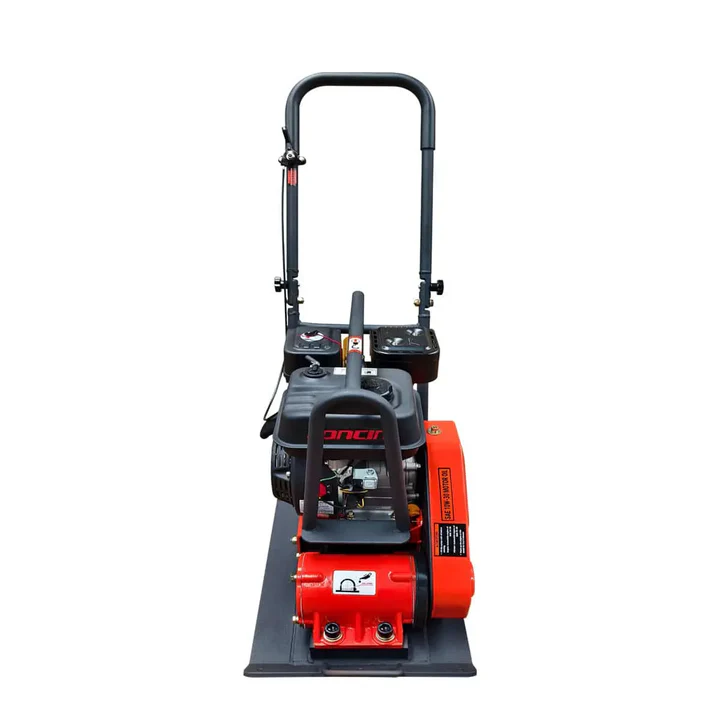
The compactor uses a heavy steel plate that vibrates at high frequency. An eccentric weight inside the plate creates the vibration, which shakes soil particles into a denser configuration. The engine drives the eccentric mechanism through a belt or direct drive. The operator guides the machine forward as the vibration moves the plate across the surface.
Compaction Depth and Material Types
This compactor achieves compaction depths up to 8 inches per lift. For best results, material should be placed in layers (lifts) of 8 inches or less. Thicker lifts prevent vibration from reaching the bottom of the layer, leaving loose soil beneath compacted surface.
The compactor works best on granular materials such as sand, gravel, and crushed stone. It is also effective on asphalt patching and mixed soils with moderate clay content. Pure clay soils require different compaction equipment, typically sheepsfoot rollers.
Operational Efficiency and Quality Control
Proper compaction prevents future settlement that damages structures. A foundation built on uncompacted soil may settle unevenly, cracking the slab. A driveway on poorly compacted base may develop ruts under vehicle weight. Investing time in proper compaction saves costly repairs later.
Key factors affecting compaction quality:
· Soil moisture content (too dry or too wet reduces compaction)
· Lift thickness (exceeding capacity leaves lower layer loose)
· Number of passes (typically 4 to 6 passes required)
· Ground speed (slower speeds produce better compaction)
· Material type (granular compacts easier than cohesive)
Safety Practices and Maintenance Guidelines
Safe plate compactor operation requires several key practices:
· Wear hearing protection and safety glasses
· Keep feet clear of the plate edge
· Operate on stable, level ground
· Allow engine to cool before refueling
· Never lift the machine by the plate
The vibration can be transmitted to the operator’s hands and arms. Machines with vibration-isolated handles reduce this transmission. Operators should take breaks during extended use to prevent hand-arm vibration syndrome.
Maintenance includes checking engine oil level before each use, cleaning the air filter regularly, inspecting belts for wear, and checking the eccentric mechanism oil level. The base plate should be inspected for cracks or excessive wear.
Advantages and Limitations
Advantages of a heavy-duty plate compactor include:
· 8 inch compaction depth capacity
· 2380 pounds of centrifugal force
· Suitable for granular soils and asphalt
· Portable for job site transport
· Self-propelled motion reduces operator effort
Limitations to consider:
· Not effective on pure clay soils
· Requires multiple passes for full compaction
· Vibration can cause operator fatigue
· Heavy to lift without equipment
· Not for use on frozen ground
Real-World Application Example
A Canadian construction company in Ontario prepared a building pad for a new residential foundation. The site had been backfilled with granular material. Using a plate compactor, the crew compacted the fill in 8 inch lifts. The compaction test showed 95 percent density. The foundation was poured directly on the compacted base. Two years later, no settlement cracks appeared in the slab.
Conclusion and Future Outlook
TMG Industrial Heavy-duty plate compactors are essential tools for Canadian construction projects requiring stable soil bases. The combination of 8 inch lift capacity and 2380 pounds of force makes these machines suitable for residential and light commercial applications. As construction standards continue emphasizing proper compaction, demand for reliable compactors will likely remain strong. Future designs may include battery-electric models for reduced emissions and remote control operation for hazardous areas.
Contractors should evaluate plate compactors for any project requiring soil or aggregate base preparation. The 8 inch compaction depth makes this machine suitable for diverse Canadian construction applications.
