
Table of Contents
1. The Psychology of the Pen in Business
2. Defining the Purpose: Utility versus Luxury
3. Materials and Construction: The Anatomy of Durability
4. Ink Technology and the Writing Experience
5. Ergonomics and User Comfort for Long Term Use
6. Strategic Branding and Customization Techniques
7. Sustainable Choices in Modern Corporate Stationery
8. Integrating Stationery into a Holistic Brand Identity
9. Selecting the Right Price Point for Your Audience
10. The Lasting Impact of a Signature Writing Instrument
The Psychology of the Pen in Business
In an era dominated by digital interfaces and touchscreen devices, the physical act of writing remains a cornerstone of professional identity. The pen is more than just a tool for ink delivery; it is an extension of a brand personality and a silent communicator of values. When a professional pulls a high quality pen from their pocket or briefcase, it signals preparation, attention to detail, and a commitment to tradition. This psychological impact is profound during negotiations and high level meetings where every subtle cue contributes to the overall impression of competence.
Choosing the perfect corporate pen requires a deep understanding of these non verbal signals. A flimsy, disposable plastic pen might suggest a temporary or transactional relationship, whereas a weighted, well balanced instrument suggests stability and longevity. Businesses that invest in premium writing tools are often perceived as more established and reliable. This is why selecting the right partner for your promotional needs is vital, as companies like Totally Branded help organizations navigate the vast landscape of stationery to find products that truly resonate with their specific corporate culture.
Defining the Purpose: Utility versus Luxury
Before selecting a model, one must categorize the intended use of the writing instrument. Corporate personalised pens generally fall into two categories: high volume utility pens and executive luxury gifts. Utility pens are designed for trade shows, reception desks, and general office use. They must be reliable, cost effective, and capable of being produced in large quantities without sacrificing a baseline of quality.
Luxury pens, on the other hand, are reserved for milestones, client gifts, or executive signatures. These instruments often feature precious metals, intricate engravings, and superior ink flow systems. The distinction is crucial because a luxury pen used in a high volume setting is a waste of resources, while a cheap utility pen gifted to a CEO can inadvertently damage a hard earned professional reputation. Finding the right balance ensures that the From Meeting Room to Everyday Use: Choosing the Perfect Corporate Pen strategy implemented by Totally Branded aligns perfectly with the intended recipient and the specific occasion.
Identifying Your Target Audience
Understanding who will hold the pen is the first step in the selection process. An engineering firm might appreciate a technical, heavy duty metal pen with a knurled grip, while a creative agency might prefer a sleek, minimalist design with vibrant colors. Tailoring the weight, aesthetic, and functionality to the user ensures that the pen stays on their desk rather than ending up in a junk drawer.
Materials and Construction: The Anatomy of Durability
The longevity of a corporate pen is dictated by its build quality. While plastic remains a popular choice for budget friendly campaigns, the move toward metal, bamboo, and recycled composites is gaining momentum. Metal pens, typically made from aluminum, brass, or stainless steel, offer a tactile satisfaction that plastic simply cannot replicate. They provide a sense of permanence and are less likely to break under pressure.
1. Aluminum provides a lightweight yet sturdy option that takes color anodization beautifully.
2. Brass offers a significant heft and can be plated in chrome, gold, or silver for a premium finish.
3. Stainless steel is renowned for its corrosion resistance and modern, industrial aesthetic.
4. Recycled plastics and bio composites serve as excellent alternatives for brands focused on environmental responsibility.
The internal mechanism also plays a role in perceived quality. A smooth click action or a soft twist mechanism indicates precision engineering. When these elements work flawlessly, the user associates that seamless experience with the brand name printed on the barrel.
Ink Technology and the Writing Experience
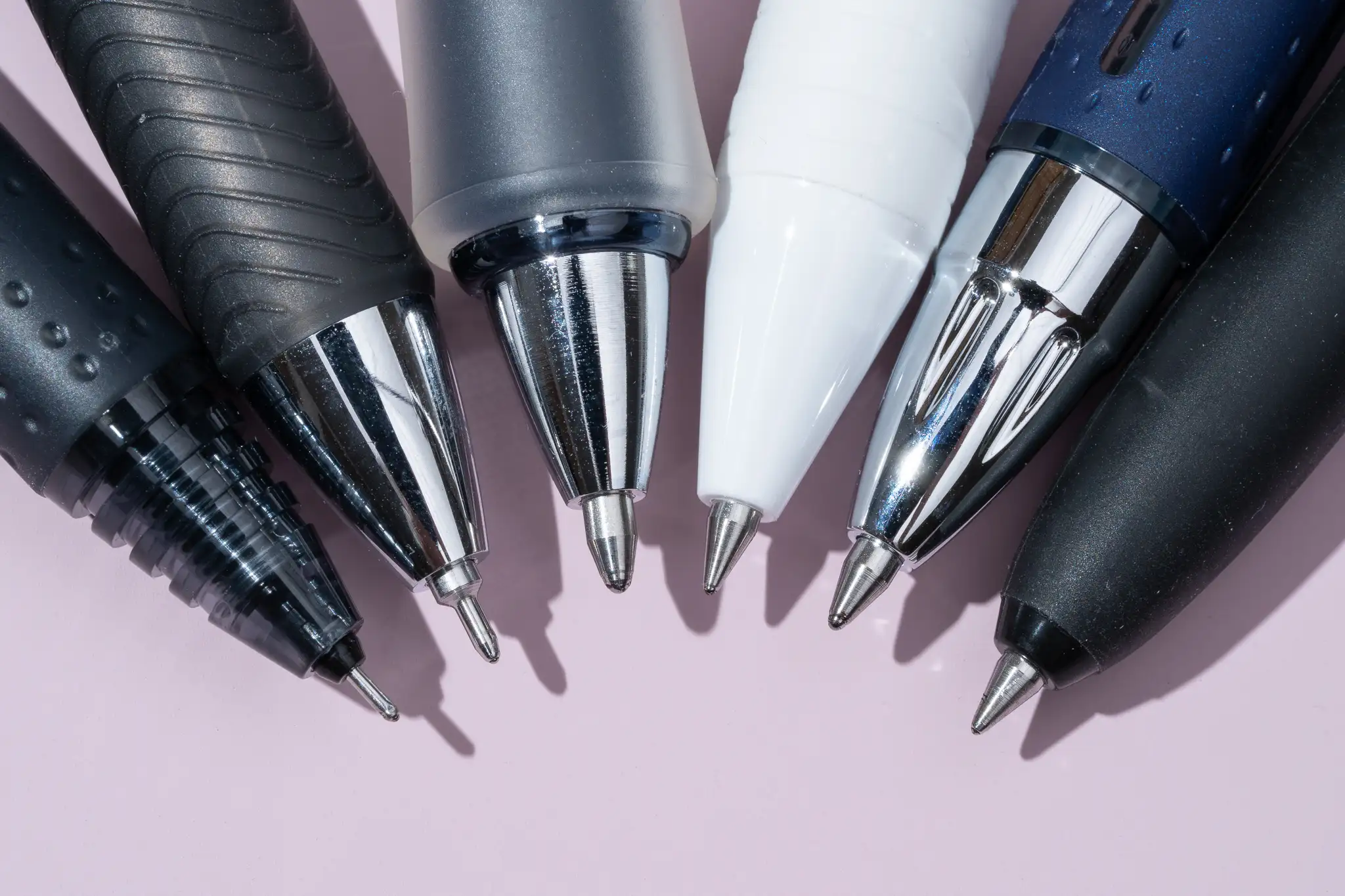
The true test of any pen is how it feels when the nib touches the paper. There are three primary types of ink delivery systems used in corporate stationery, each offering a distinct writing experience.
1. Ballpoint Pens: These use a thick, oil based ink that dries almost instantly. They are incredibly reliable, have a long shelf life, and work well on various paper types.
2. Rollerball Pens: Utilizing water based or liquid gel ink, rollerballs provide a much smoother, more fluid writing experience that requires less pressure. They are often preferred for long writing sessions.
3. Gel Pens: These combine the best of both worlds, offering vibrant colors and a smooth glide while being less prone to smudging than traditional rollerballs.
A professional should consider the typical environment of the user. For left handed individuals, a fast drying ballpoint or specialized gel ink is essential to prevent smudging. Providing a superior writing experience ensures the pen becomes a daily staple rather than a one time novelty.
Ergonomics and User Comfort for Long Term Use
Comfort is often overlooked in the quest for aesthetic appeal, yet it is the primary factor that determines if a pen becomes an everyday favorite. Ergonomics involves the diameter of the barrel, the placement of the grip section, and the overall balance of the instrument. A pen that is too thin can cause hand cramping during long meetings, while one that is excessively heavy can lead to fatigue.
The Importance of the Grip Zone
The grip zone is where the fingers make contact with the pen. Many modern designs incorporate rubberized coatings, textured metal patterns, or contoured shapes to enhance control. A comfortable grip allows for a more relaxed writing style, which is especially important for professionals who take extensive notes. When selecting products through Totally Branded, businesses can choose from various ergonomic profiles to suit their specific demographic.
Strategic Branding and Customization Techniques
Branding a pen involves more than just slapping a logo on the side. The method of customization should complement the material and style of the pen.
1. Screen Printing: Ideal for plastic pens, this allows for vibrant, multi color logos at a lower cost.
2. Pad Printing: This method is perfect for curved surfaces and can capture fine details with high precision.
3. Laser Engraving: Often used on metal pens, engraving offers a permanent, sophisticated look that will never fade or peel.
4. Full Color Digital Printing: This allows for complex gradients and photographic quality imagery across the entire barrel.
The placement of the logo is equally important. It should be visible when the pen is in use but not so large that it feels gaudy. A subtle, well placed mark on the clip or the upper barrel often conveys more class than a wrap around print.
Sustainable Choices in Modern Corporate Stationery
Sustainability is no longer a niche preference; it is a corporate mandate for many organizations. The stationery industry has responded with innovative materials that reduce environmental impact without sacrificing performance. Recycled PET, cork, wheat straw, and FSC certified wood are becoming standard options for forward thinking brands.
Choosing a refillable pen is perhaps the most impactful sustainable choice a company can make. By providing a high quality casing that can be used for years with simple ink refills, a brand demonstrates a commitment to reducing single use plastic waste. This longevity also means the brand message stays in the hands of the consumer for a much longer period, increasing the return on investment.
Integrating Stationery into a Holistic Brand Identity
A pen should never exist in a vacuum. It should be part of a cohesive visual language that includes notebooks, folders, and digital assets. When the aesthetic of a corporate pen matches the texture of a premium notebook, it creates a sensory experience that reinforces brand recognition.
Consistency Across Touchpoints
Consistency in color matching is vital. Using Pantone matching systems ensures that the corporate blue on your pen perfectly aligns with the blue on your business cards and website. This level of detail shows a high degree of professional polish. Working with experts like Totally Branded allows companies to manage these details effectively, ensuring that every promotional item feels like a natural extension of the core brand.
Selecting the Right Price Point for Your Audience
Budget allocation is a practical reality of any marketing or procurement strategy. The key is to maximize perceived value. It is often better to buy a high quality mid range pen than a poorly made luxury imitation.
1. Entry Level: Focus on reliability and bright, clean branding for mass distribution.
2. Mid Range: Look for metal accents, better ink cartridges, and presentation sleeves.
3. Premium: Focus on brand heritage, heavy weight materials, and elegant gift packaging.
By segmenting the budget, a company can ensure they have the right tool for every scenario, from a casual coffee meeting to a formal contract signing.
The Lasting Impact of a Signature Writing Instrument
The transition from a mere writing tool to a signature piece of professional equipment is what defines a successful corporate pen. When an instrument is chosen with care, it becomes a trusted companion in the daily life of the user. It records ideas, seals deals, and facilitates the flow of communication.
The longevity of a well made pen ensures that your brand remains a constant presence in the workspace of your clients and employees. It is a tangible reminder of a partnership, a successful project, or a shared goal. By focusing on quality, ergonomics, and thoughtful branding, you transform a simple object into a powerful ambassador for your business. The journey from the boardroom to the everyday pocket is paved with intentional design choices that prioritize the user experience above all else. Investing in this process is an investment in the enduring legacy of your professional relationships.
