
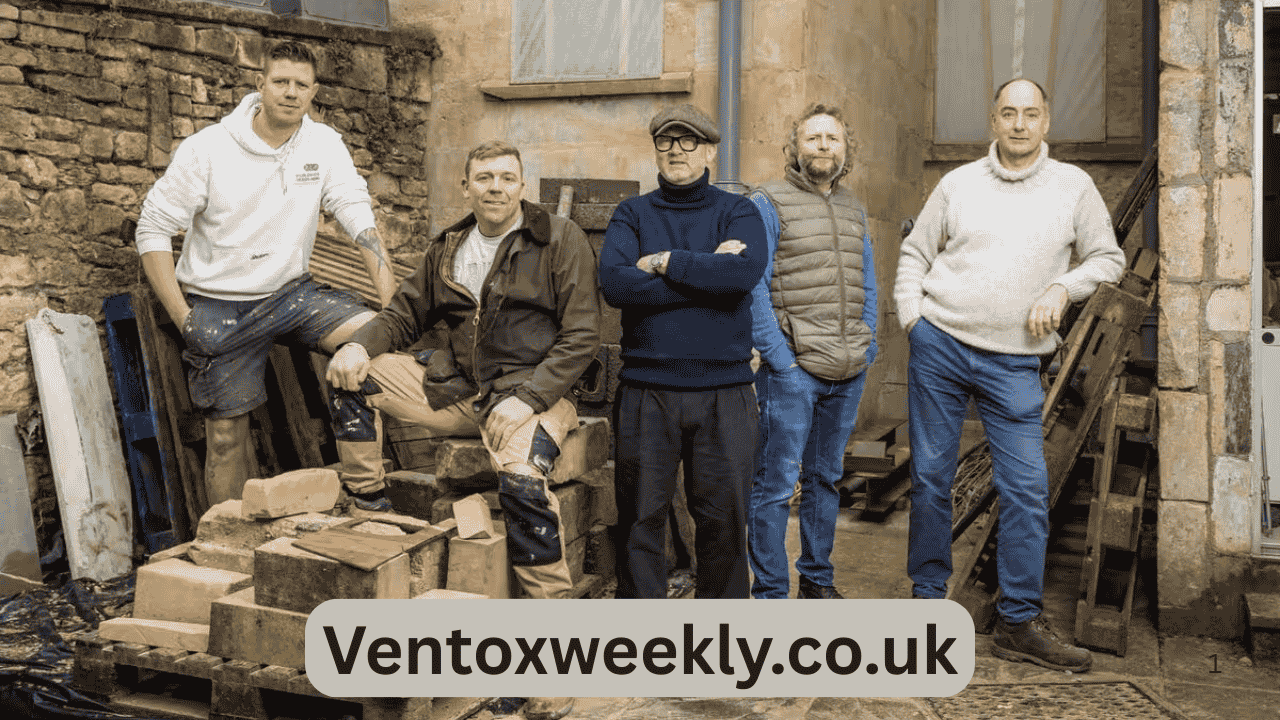
Drew Pritchard has become a household name in the world of antiques and architectural salvage. Best known as the charismatic host of the long-running TV series Salvage Hunters, Drew Pritchard has built a reputation for spotting hidden treasures, negotiating shrewd deals, and transforming overlooked objects into highly desirable design pieces. Over the years, the keyword Drew Pritchard has become synonymous with expertise in antiques, a keen eye for craftsmanship, and a passion for preserving history. But Drew Pritchard’s story goes far beyond what viewers see on television. His journey from a small-town enthusiast to one of Britain’s most recognizable antique dealers is a testament to persistence, knowledge, and a deep appreciation for design. In this article, we’ll explore the life, career, business ventures, and cultural impact of Drew Pritchard—while understanding why his name continues to generate so much interest online.
Early Life and Passion for Antiques
Born and raised in North Wales, Drew Pritchard developed an interest in antiques at an early age. Unlike many people who stumble into the trade later in life, Drew Pritchard has shown a fascination with old objects, craftsmanship, and design history since his teenage years. He began his career in stained glass restoration, a niche but highly skilled craft that requires patience and attention to detail.
This early training gave Drew Pritchard a solid foundation in the study of historical architecture and period design. Working with stained glass windows meant studying centuries-old techniques and materials. That hands-on experience would later become invaluable when evaluating antiques and architectural salvage pieces.
By the late 1980s and early 1990s, Drew Pritchard was already building a name for himself in the antiques trade. His willingness to travel, take risks, and learn directly from other dealers helped him refine his eye for quality and authenticity.
Drew Pritchard and Salvage Hunters
The turning point in Drew Pritchard’s public career came with the launch of Salvage Hunters on the Discovery Channel in 2011. The show follows Drew Pritchard as he travels across the United Kingdom and occasionally Europe, searching for rare antiques, industrial salvage, and unique decorative objects.
The appeal of Salvage Hunters lies in its blend of adventure, negotiation, and design insight. Drew Pritchard visits everything from stately homes and factories to old schools and historic estates, always hoping to uncover something special. What sets him apart from many other TV antique dealers is his deep understanding of design trends and market demand.
Viewers are drawn to Drew Pritchard’s confidence during negotiations. He knows the value of what he’s buying and isn’t afraid to walk away if the price isn’t right. At the same time, his genuine excitement when discovering a rare item adds authenticity to the show.
Over the years, Salvage Hunters has expanded into spin-offs, including restoration-focused series that dive deeper into renovation and design projects. Through these programs, Drew Pritchard has cemented his status as one of the most recognizable figures in British antiques television.
The Drew Pritchard Antiques Business
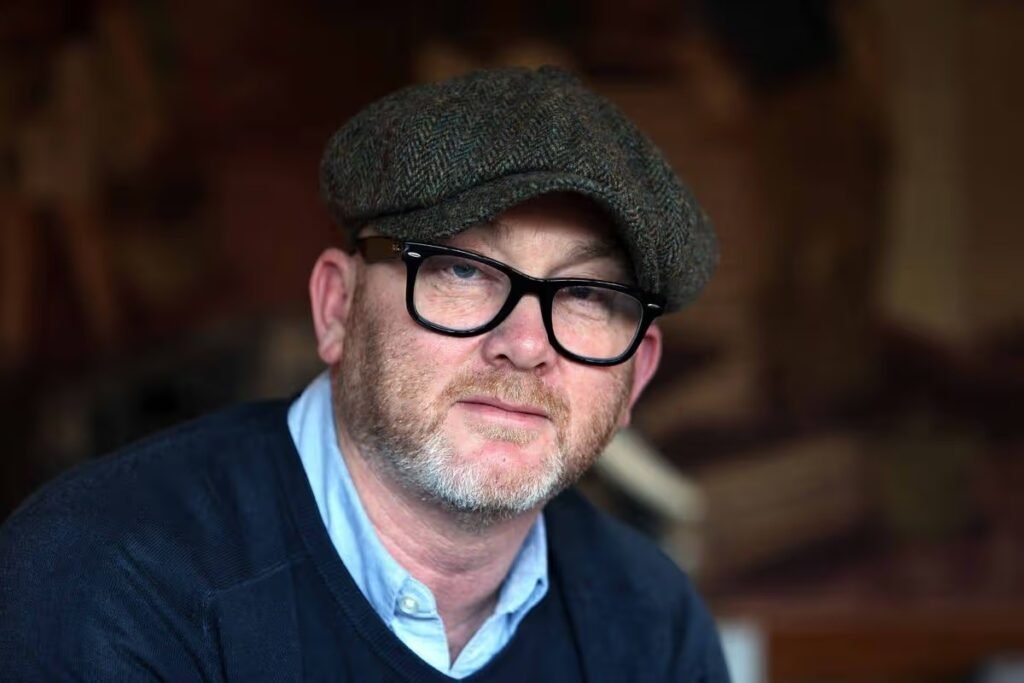
Beyond television, Drew Pritchard operates a successful antiques and architectural salvage business. His showroom in Tetbury, Gloucestershire, has become a destination for collectors, interior designers, and enthusiasts.
The Drew Pritchard brand focuses on:
- Architectural salvage
- Decorative antiques
- Industrial furniture
- Lighting
- Unique one-off statement pieces
What distinguishes Drew Pritchard from traditional antique dealers is his modern sensibility. He doesn’t just collect antiques for historical value; he curates pieces that work in contemporary interiors. His selections often feature clean lines, muted tones, and industrial elements that align with current design trends.
The growing popularity of vintage and reclaimed materials in interior design has only increased interest in Drew Pritchard’s work. Designers often look to his collections for statement pieces that add character and authenticity to modern homes.
A Sharp Eye for Design Trends
One reason the keyword Drew Pritchard consistently trends in search engines is his ability to predict and adapt to changing design tastes. Drew Pritchard understands that antiques are not just relics of the past—they are functional and aesthetic elements in modern living spaces.
He has frequently highlighted trends such as:
- Industrial-style lighting
- Mid-century modern furniture
- Distressed wood finishes
- Reclaimed metal fixtures
- Minimalist vintage décor
Drew Pritchard’s approach blends respect for history with practical usability. He often restores items in a way that preserves their character while making them suitable for contemporary use. This balance appeals to homeowners who want something unique without sacrificing comfort or function.
Media Presence and Public Image
Television exposure has significantly shaped Drew Pritchard’s public image. On screen, he appears confident, knowledgeable, and sometimes blunt—qualities that make compelling viewing. However, beneath that straightforward exterior is a dealer with decades of experience and genuine enthusiasm for his craft.
Drew Pritchard’s popularity has also extended to books and interviews. He has shared stories about the challenges of running an antiques business, including economic downturns, changing markets, and the constant need to evolve.
The media portrayal of Drew Pritchard as both an entrepreneur and an adventurer has contributed to sustained public curiosity. Searches for Drew Pritchard often include questions about his personal life, net worth, business updates, and TV projects.
The Business of Salvage and Sustainability
In today’s environmentally conscious world, Drew Pritchard’s focus on salvage aligns with sustainability trends. Architectural salvage reduces waste and gives historic materials a second life. This eco-friendly angle has added another layer of relevance to his brand.
Reclaimed wood, vintage fixtures, and restored furniture are increasingly popular among homeowners seeking sustainable alternatives to mass-produced items. Drew Pritchard has long championed the idea that old materials often surpass modern equivalents in craftsmanship and durability.
By promoting reuse and restoration, Drew Pritchard indirectly supports environmental responsibility—something that resonates strongly with younger generations entering the housing market.
Challenges and Evolution
Like any long-running business or television career, Drew Pritchard has faced challenges. The antiques trade can be unpredictable, influenced by economic conditions and shifting consumer preferences. Furthermore, television exposure can bring intense scrutiny.
Despite these pressures, Drew Pritchard has demonstrated resilience. He has adapted his business model, refined his buying strategy, and expanded into new ventures when necessary. His ability to evolve while maintaining authenticity is one of the reasons he remains relevant more than a decade after Salvage Hunters first aired.
Why the Keyword Drew Pritchard Remains Popular
From an SEO perspective, the keyword Drew Pritchard continues to generate high interest due to multiple factors:
- Ongoing TV broadcasts and reruns
- New design trends featuring vintage and industrial styles
- Curiosity about his personal life
- Interest in antique investment and resale value
- The growing sustainability movement
Searchers often look for information about his shop, upcoming episodes, background, and latest acquisitions. This consistent curiosity keeps his name visible across search engines and social media platforms.
Cultural Impact on the Antiques Industry
Drew Pritchard has influenced how the public perceives antiques. Traditionally, antiques were associated with formal, traditional interiors. Through Salvage Hunters, Drew Pritchard helped reposition them as edgy, stylish, and adaptable to modern spaces.
Younger audiences now view antique dealing as an exciting career rather than a niche trade. The show has inspired hobbyists to explore flea markets, estate sales, and reclamation yards in search of their own hidden treasures.
By blending entertainment with education, Drew Pritchard has broadened appreciation for craftsmanship, design history, and restoration skills.
Conclusion
Drew Pritchard’s journey from a young stained glass restorer in North Wales to the star of Salvage Hunters reflects dedication, expertise, and an unwavering passion for antiques. Over decades in the trade, Drew Pritchard has built a brand that bridges history and modern design, commerce and creativity.
You May Like: Is Ian Humphries Married? The Truth About the Antiques Expert’s Private Life
