
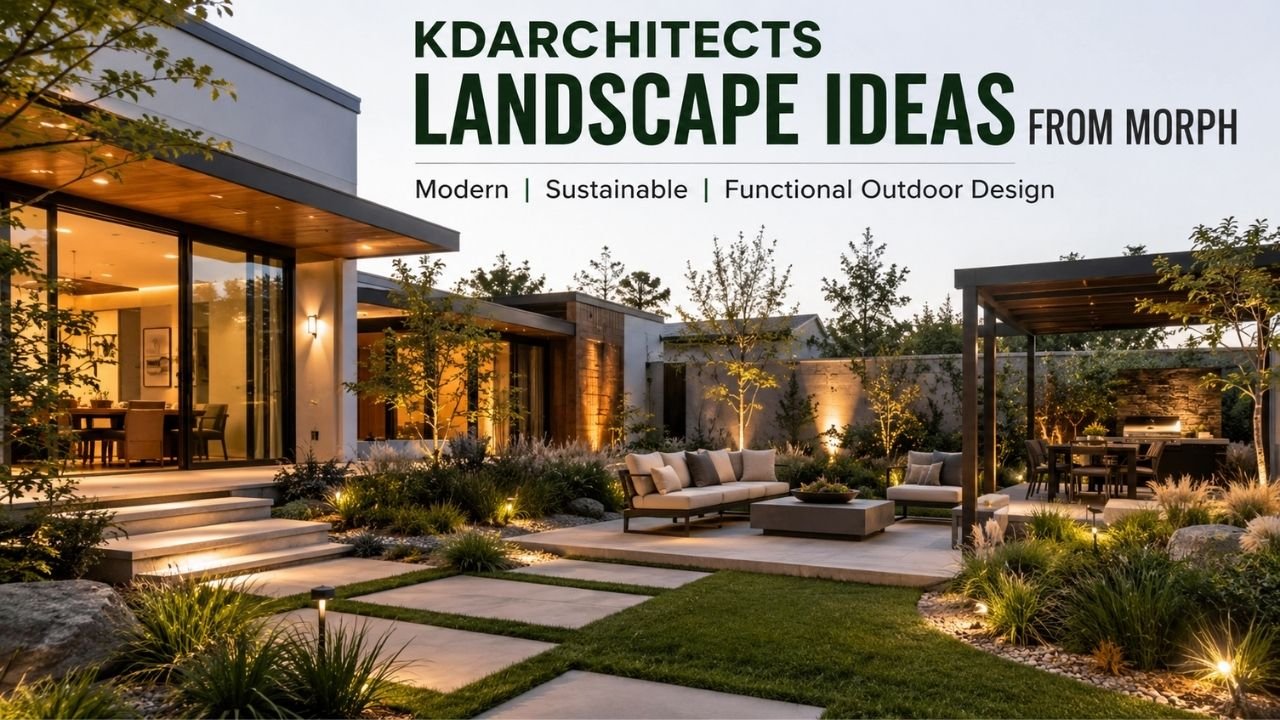
Landscape design has evolved far beyond simply planting flowers around a house. Modern landscape architecture focuses on creating outdoor spaces that are attractive, practical, sustainable, and connected to a property’s architecture. The KDArchitects landscape ideas from Morph are associated with a collection of online discussions about these principles, particularly the relationship between architecture, nature, functionality, and sustainable landscape planning.
While the available online material should be approached with caution, as detailed independent information about the people and organizations referenced is limited, the design concepts associated with this keyword offer useful inspiration for homeowners and anyone interested in contemporary landscape design. From carefully planned outdoor rooms to native planting and environmentally responsible materials, these ideas demonstrate how a landscape can become an important extension of a building.
Understanding KDArchitects Landscape Ideas From Morph
The central concept behind KDArchitects landscape ideas from Morph is the idea that landscape should not be treated as an afterthought. Instead, the outdoor environment can be considered alongside the building itself.
A successful landscape design connects different parts of a property. The architecture, garden, pathways, patio, vegetation, lighting, and surrounding environment can work together to create a unified visual experience.
This approach encourages designers to ask practical questions before choosing plants or decorative features. How will people use the space? Where does sunlight fall throughout the day? Where does rainwater collect? Which areas need privacy? What views should be highlighted?
Answering these questions helps create a landscape that is both beautiful and useful.
Start With Careful Site Analysis
One of the most important principles in modern landscape design is understanding the site before designing it.
Every property has different characteristics. Soil conditions, drainage, sunlight, wind, slopes, existing trees, neighboring buildings, and climate can all influence the final design.
Instead of immediately removing existing features, a thoughtful designer first evaluates what is already present. Mature trees, natural slopes, attractive views, and existing vegetation can become valuable parts of the finished landscape.
Site analysis can also prevent expensive mistakes. For example, planting a shade-sensitive plant beneath a large tree or placing a patio in an area with poor drainage can create problems later.
Connect Indoor and Outdoor Spaces
A major theme associated with contemporary landscape architecture is creating a strong relationship between the interior and exterior.
A living room may open onto a patio. A kitchen can connect to an outdoor dining area. Large windows can frame a garden or carefully selected tree. These strategies make outdoor areas feel like natural extensions of the home.
Materials can also help establish continuity. Similar colors, textures, or materials may be repeated between the building and the garden.
For example, stone used on an exterior wall might also appear in a garden pathway. Wooden architectural elements could be echoed through outdoor seating or a pergola.
The result is a more cohesive property.
Design Outdoor Rooms
Another useful concept is the creation of outdoor rooms.
Instead of treating the entire backyard as one large open area, designers can divide it into functional zones. These might include:
- An outdoor dining area
- A lounge or conversation space
- A fire-pit area
- A children’s play zone
- A quiet reading garden
- A kitchen or cooking area
- A poolside relaxation space
- A small meditation or planting garden
Outdoor rooms provide structure while allowing different activities to coexist.
Plants, walls, changes in paving, pergolas, screens, and elevation changes can subtly define each zone without making the landscape feel divided.
Choose Plants for the Local Environment
Plant selection is one of the most important decisions in sustainable landscaping.
Native and climate-appropriate plants are often better adapted to local environmental conditions. They may require less supplemental water and can provide habitat and food for local wildlife.
Rather than choosing plants solely because they look attractive in a catalog, homeowners can consider whether those plants are suitable for their region.
Important factors include:
- Local rainfall
- Temperature ranges
- Soil type
- Sun exposure
- Wind conditions
- Mature plant size
- Water requirements
- Maintenance requirements
Choosing appropriate plants from the beginning can make a garden healthier and easier to maintain.
Use Water Efficiently
Water conservation is another important aspect of sustainable landscape planning.
Traditional landscapes can require considerable irrigation, especially when lawns and plants are not suited to the local climate. Modern designs can reduce water consumption through efficient irrigation and appropriate plant selection.
Drip irrigation can deliver water directly to plant roots, while smart irrigation systems can adjust watering based on weather conditions.
Rain gardens and rainwater collection systems can also help manage stormwater. Instead of allowing rainwater to run off the property quickly, landscape features can help slow, capture, or redirect water.
These techniques can benefit both the landscape and the wider environment.
Balance Hardscape and Softscape
A visually successful landscape usually contains a balance between hardscape and softscape.
Softscape includes living elements such as:
- Trees
- Shrubs
- Flowers
- Grasses
- Ground covers
- Vines
Hardscape includes constructed features such as:
- Patios
- Walkways
- Walls
- Steps
- Seating structures
- Gravel areas
- Pergolas
- Water features
Too much hardscape can make an outdoor environment feel harsh and overly constructed. Too much vegetation can make a property feel unstructured or difficult to navigate.
The best results often come from thoughtfully combining the two.
Create Natural Movement With Pathways
Pathways are more than practical routes from one location to another. They can influence how people experience a garden.
A straight pathway may create a formal, architectural appearance. Curved pathways can create a sense of discovery by gradually revealing different parts of the landscape.
Materials should also complement the property’s architecture. Stone, concrete, brick, gravel, and wood can each create a different visual character.
Pathways should be appropriately sized, safe, durable, and accessible. Their location should reflect how people actually move through the property.
Incorporate Shade and Comfortable Seating
A landscape should be enjoyable, not merely attractive.
Shade is particularly important in warmer climates. Trees, pergolas, covered patios, umbrellas, and architectural structures can create comfortable areas for relaxation.
Seating should also be positioned strategically. A bench beneath a tree can create a quiet retreat, while a larger seating area near the kitchen may be ideal for entertaining.
Comfort encourages homeowners to spend more time outdoors and makes the landscape an active part of everyday life.
Consider Privacy Without Losing Nature
Privacy is another important consideration for residential landscape design.
Instead of relying entirely on tall fences, designers can use layered vegetation, trees, shrubs, screens, walls, and pergolas.
A combination of plants at different heights can provide privacy while maintaining a natural appearance.
For example, taller trees can provide overhead screening, medium-height shrubs can create visual separation, and smaller plants can soften the foreground.
This approach can make boundaries feel more natural and integrated.
Use Lighting to Extend the Landscape Into the Evening
Landscape lighting can dramatically change how an outdoor environment looks after sunset.
Rather than flooding the entire garden with bright illumination, designers can use lighting selectively.
Path lights can improve safety. Accent lighting can highlight trees, walls, sculptures, or architectural features. Soft lighting around seating areas can make outdoor rooms more inviting.
Well-planned lighting also helps connect indoor and outdoor spaces at night.
The goal should be to create atmosphere while avoiding excessive glare and unnecessary energy consumption.
Think About Sustainability From the Beginning
Sustainability should ideally be incorporated into the design process rather than added later.
Material selection, water management, plant choices, irrigation, maintenance, and long-term durability can all contribute to environmental performance.
Locally appropriate materials can reduce transportation requirements. Durable materials can reduce the need for frequent replacement. Native or adapted plants can lower irrigation requirements.
A sustainable landscape is not necessarily one that looks wild or unfinished. It can be highly organized, elegant, and contemporary while still respecting environmental principles.
Design for Long-Term Growth
A common landscaping mistake is designing according to how plants look when they are first purchased.
Small trees and shrubs eventually become much larger. If they are planted too close to buildings, pathways, or one another, problems can develop.
Long-term planning should therefore consider mature plant size and growth patterns.
A landscape should also be designed around future needs. A family may eventually need more entertaining space, children may grow older, or homeowners may want to reduce maintenance.
Flexible landscape design can accommodate these changes.
Make Maintenance Part of the Design
Beautiful landscapes require maintenance, but good planning can reduce unnecessary work.
Planting densely can sometimes suppress weeds once plants mature. Ground covers can reduce exposed soil. Appropriate irrigation can reduce water waste. Selecting plants suited to the environment can reduce replacement costs.
Maintenance requirements should be considered before installation.
A homeowner who prefers a low-maintenance garden should not choose a landscape filled with plants that require constant pruning, watering, or specialized care.
Blend Modern Architecture With Natural Elements
Modern architecture often features clean lines, simple forms, large windows, and restrained materials. Landscape design can complement these characteristics without becoming overly rigid.
Natural materials such as stone and wood can soften contemporary architecture. Trees and grasses can introduce movement and texture. Water features can provide sound and visual interest.
The contrast between structured architecture and organic vegetation can be particularly effective.
This balance between natural and constructed elements is one of the most interesting aspects of contemporary landscape design.
Why These Landscape Ideas Matter
The broader value of the kdarchitects landscape ideas from morph concept lies in its emphasis on designing landscapes as complete environments.
A garden is not simply a collection of plants. It can influence how people move, relax, socialize, entertain, and connect with nature.
Thoughtful landscape design can also improve a property’s usability. A previously unused backyard can become an outdoor living room. An empty side yard can become a shaded pathway. A difficult slope can become a terraced garden.
Good design turns limitations into opportunities.
Conclusion
The kdarchitects landscape ideas from Morph represent a useful collection of ideas surrounding modern landscape architecture, outdoor living, sustainability, and the relationship between buildings and natural environments.
You May Like: Layout of Nichols House JHY: Design, Floor Plan, Architecture, and Space Planning
