
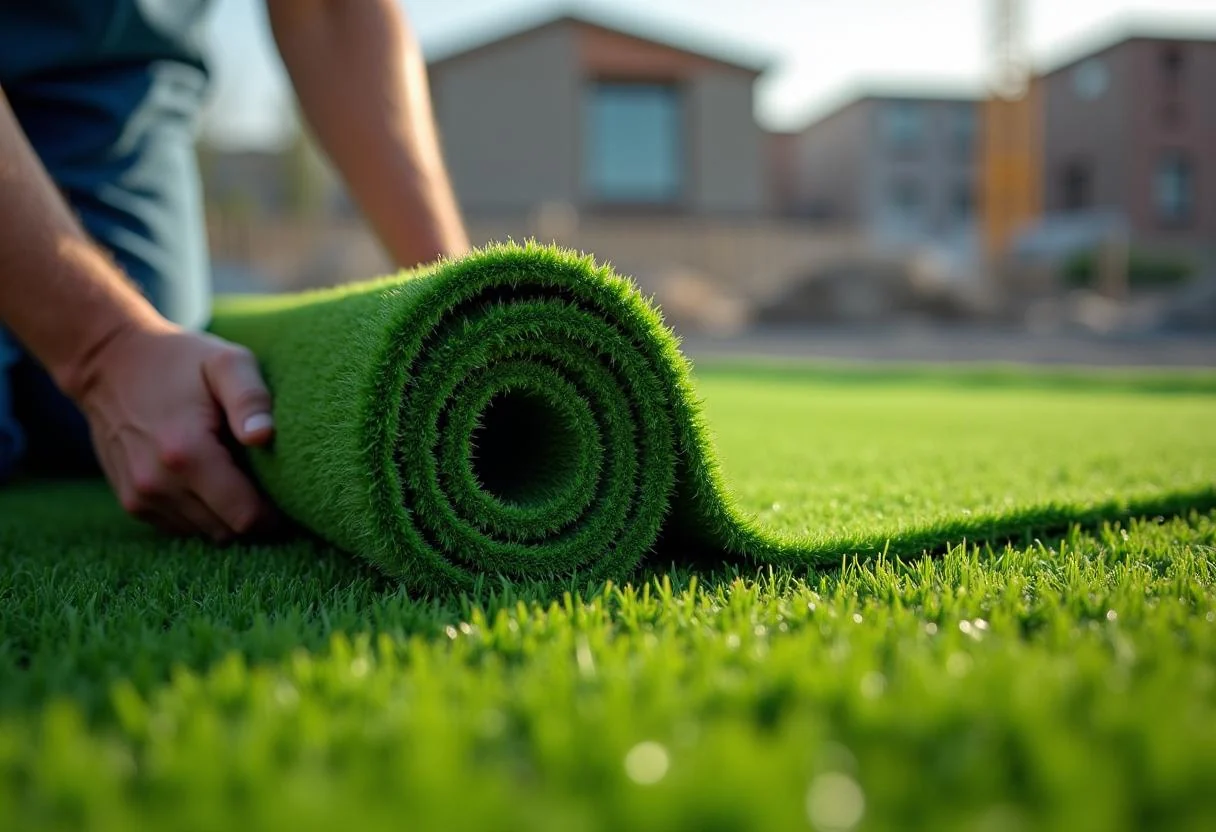
Meta Description: Discover how artificial grass for rental properties can reduce maintenance, improve kerb appeal, support tenants, and deliver long-term value.
Managing a rental property involves more than maintaining the building itself. Gardens, front lawns, and outdoor spaces can affect kerb appeal, tenant satisfaction, repair costs, and the amount of work required between tenancies.
Natural grass may look attractive when it is regularly maintained, but it can quickly become overgrown, muddy, patchy, or damaged when tenants have limited time or interest in gardening. For landlords who want a cleaner and more manageable outdoor area, artificial grass for rental properties can offer a practical alternative.
A professionally installed artificial lawn can reduce routine maintenance, keep the garden usable throughout the year, and make the property more appealing to families, professionals, and pet owners. However, landlords need to choose the right turf and plan the installation carefully to gain long-term value.
Why Artificial Grass Works Well for Rental Properties
Rental gardens often face different challenges from owner-occupied homes. Tenants may not own gardening equipment, may stay at the property for a limited period, or may be unsure about their garden maintenance responsibilities.
Artificial grass removes many of the regular jobs associated with a natural lawn. It does not require mowing, watering, fertilising, or reseeding. This can help landlords maintain a more consistent appearance across different tenancies.
A low-maintenance garden may also appeal to tenants who want outdoor space without spending weekends cutting grass or repairing muddy areas.
Reduce Ongoing Garden Maintenance
One of the main benefits of artificial grass for landlords is the reduction in routine garden care.
Natural lawns require regular mowing during the growing season. They may also need watering in dry weather, weed control, aeration, feeding, and repairs after winter. If tenants do not complete these tasks, the landlord may need to hire a gardener or restore the lawn before advertising the property again.
Artificial grass still needs occasional care, but the work is usually more predictable. Leaves and debris should be removed, flattened fibres may need brushing, and pet areas should be cleaned regularly.
These tasks are easier to explain in a tenancy information pack than a full natural lawn maintenance schedule.
Create a Better First Impression
The outside of a rental property often shapes a prospective tenant’s first impression.
An untidy front garden, long grass, bare soil, or muddy patches may make the property appear poorly maintained. Artificial grass provides a consistent green surface that can improve kerb appeal throughout the year.
This can be particularly useful for front gardens, small urban properties, student accommodation, and homes where access for mowing equipment is difficult.
A neat outdoor space does not automatically increase rental value, but it can help a property stand out when tenants compare similar homes.
Choose Turf Based on Foot Traffic
Not every rental garden needs the same type of artificial grass.
A decorative front lawn may receive very little foot traffic, while a family garden may be used every day by children, pets, garden furniture, and visitors. Choosing the product based only on colour or price may lead to premature flattening or wear.
For busy rental properties, look for artificial grass with:
- Strong and durable backing
- Good fibre recovery
- Suitable pile density
- Effective drainage
- Resistance to regular foot traffic
- UV-stabilised fibres
A lower-cost decorative turf may be suitable for areas that are mainly viewed rather than used. High-traffic back gardens usually need a more resilient product.
Consider Families and Pet Owners
A tenant-friendly garden should suit the likely occupants of the property.
Families may value a lawn that remains usable after rain and does not create muddy footprints inside the home. Artificial grass can provide a cleaner area for outdoor play, although proper ground preparation and suitable cushioning should be considered where young children will use the space.
Pet owners may also find artificial grass practical because dogs cannot create worn paths or dig up the lawn as easily. Pet waste can be removed from the surface, and the area can be rinsed when necessary.
For properties where pets are allowed, choose permeable turf and make sure the base supports rapid drainage. Poor drainage can allow urine and moisture to remain beneath the surface, causing unpleasant smells.
Plan Drainage Before Installation
Good drainage is essential for artificial grass for rental properties.
Most artificial turf contains holes in the backing that allow rainwater to pass through. However, water also needs to move through the sub-base and surrounding ground.
If artificial grass is installed directly over compacted soil, an uneven lawn, or heavy clay without preparation, puddles and damp areas may develop. This can create complaints, smells, moss growth, or movement in the surface.
Before installation, the contractor should assess:
- Existing soil conditions
- Natural slope and water flow
- Areas where puddles currently form
- Runoff from patios and paths
- Available drainage outlets
- The need for a soakaway or channel drain
Investing in correct groundwork is usually more economical than correcting a failed drainage system after tenants move in.
Build a Durable Sub-Base
The sub-base supports the artificial lawn and affects how well it performs over time.
Existing grass, roots, loose soil, and debris should be removed. A suitable aggregate is then installed and compacted to create a firm, free-draining foundation.
A weak or poorly compacted base may settle under foot traffic or garden furniture. This can create dips, wrinkles, and uneven areas that make the lawn look neglected.
Rental properties benefit from a robust installation because landlords cannot control exactly how tenants will use the garden. A stronger foundation provides better protection against everyday wear.
Secure the Edges Properly
Loose or raised edges can create a trip hazard and make the installation look unfinished.
Artificial grass should be attached to suitable edging around the perimeter. Timber, composite, metal, or concrete systems may be used depending on the garden design and ground conditions.
The edging must hold the lawn securely without blocking drainage. Particular attention should be given to doorways, paths, steps, and areas where tenants regularly move between the house and garden.
Seams should also be joined carefully. Weak joins may separate after repeated use or movement of furniture.
Compare Upfront Cost with Long-Term Value
Artificial grass involves a higher initial cost than simply reseeding a natural lawn. Landlords should therefore consider the total cost over several years rather than focusing only on the installation price.
Natural grass may involve recurring costs such as:
- Professional mowing
- Lawn treatment
- Water use
- Weed control
- Replacement turf
- End-of-tenancy garden restoration
- Cleaning mud from paths or interior floors
Artificial grass reduces many of these costs, but it is not completely maintenance-free. Landlords should still budget for occasional professional cleaning or minor repairs.
The financial value depends on the quality of the product, the installation standard, expected foot traffic, and how long the landlord plans to keep the property. Landlords comparing artificial grass suppliers in slough should review product durability, groundwork specifications, warranties, and the complete installation cost.
Help Prevent Garden Maintenance Disputes
Garden responsibilities can sometimes become unclear during a tenancy.
A tenant may believe that major lawn repairs are the landlord’s responsibility, while the landlord may expect the tenant to mow, water, and control weeds. A low-maintenance rental garden reduces the number of tasks that can become a source of disagreement.
Landlords should still explain basic artificial grass care clearly. Tenants may need instructions covering pet cleaning, debris removal, barbecues, furniture, and the use of chemicals.
Artificial grass can be damaged by hot equipment, cigarettes, fire pits, and some harsh cleaning products. Clear guidance helps protect the installation.
Think About Environmental Factors
Artificial grass removes the need for lawn watering, pesticides, fertilisers, and petrol-powered mowing. These benefits may be valuable in properties where water use or garden maintenance is difficult.
However, artificial grass is a manufactured material, so landlords should also consider product lifespan, recyclability, and responsible disposal.
Choosing a durable product and maintaining it correctly may reduce the need for early replacement. Combining artificial grass with drought-tolerant plants, permeable borders, and planted beds can create a more balanced outdoor space.
Is Artificial Grass Suitable for Every Rental?
Artificial grass can work well for many rental properties, but it is not the right solution for every garden.
Large rural gardens may suit natural lawns better, especially when tenants expect traditional landscaping. Listed properties, conservation areas, shared spaces, and leasehold homes may also have restrictions or approval requirements.
Landlords should check relevant tenancy, leasehold, planning, and property management conditions before making permanent changes.
The existing garden should also be assessed. Severe drainage problems, tree roots, unstable ground, or regular flooding may require specialist work before artificial grass can be considered.
Professional Installation or DIY?
DIY installation may appear to reduce costs, but rental properties need a reliable and durable result.
Professional installers can prepare the ground, create the correct gradient, install the sub-base, manage drainage, secure the edging, and join the turf properly. They may also provide workmanship or product warranties.
A poor DIY installation can develop wrinkles, separated seams, blocked drainage, and sunken areas. These problems may create additional repair costs and tenant complaints.
For small decorative spaces, DIY installation may be manageable. For regularly used rental gardens, professional fitting is generally the safer long-term option. Request an installation quote to compare the expected groundwork, materials, fitting costs, and warranty coverage.
Final Thoughts
Artificial grass for rental properties can help UK landlords create cleaner, more attractive, and easier-to-manage outdoor spaces.
The best results come from choosing turf that matches the expected foot traffic, preparing a stable sub-base, planning drainage, and securing the lawn properly. Landlords should also provide tenants with simple maintenance instructions to protect the surface.
Although the initial installation requires investment, artificial grass may reduce garden restoration, mowing, watering, and maintenance costs over time. When selected and installed carefully, it can support tenant satisfaction while keeping the property presentable between tenancies.
