
Deciding to use off-grid solar power is rarely about ideology. It is a practical response to a specific situation where grid power is unavailable, expensive to access, unreliable, or simply more disruptive than it is worth. Knowing when to use off-grid solar means recognising those six situations clearly. Each one has a distinct load profile, a different cost comparison, and a straightforward case for why solar is the obvious choice rather than the alternative.
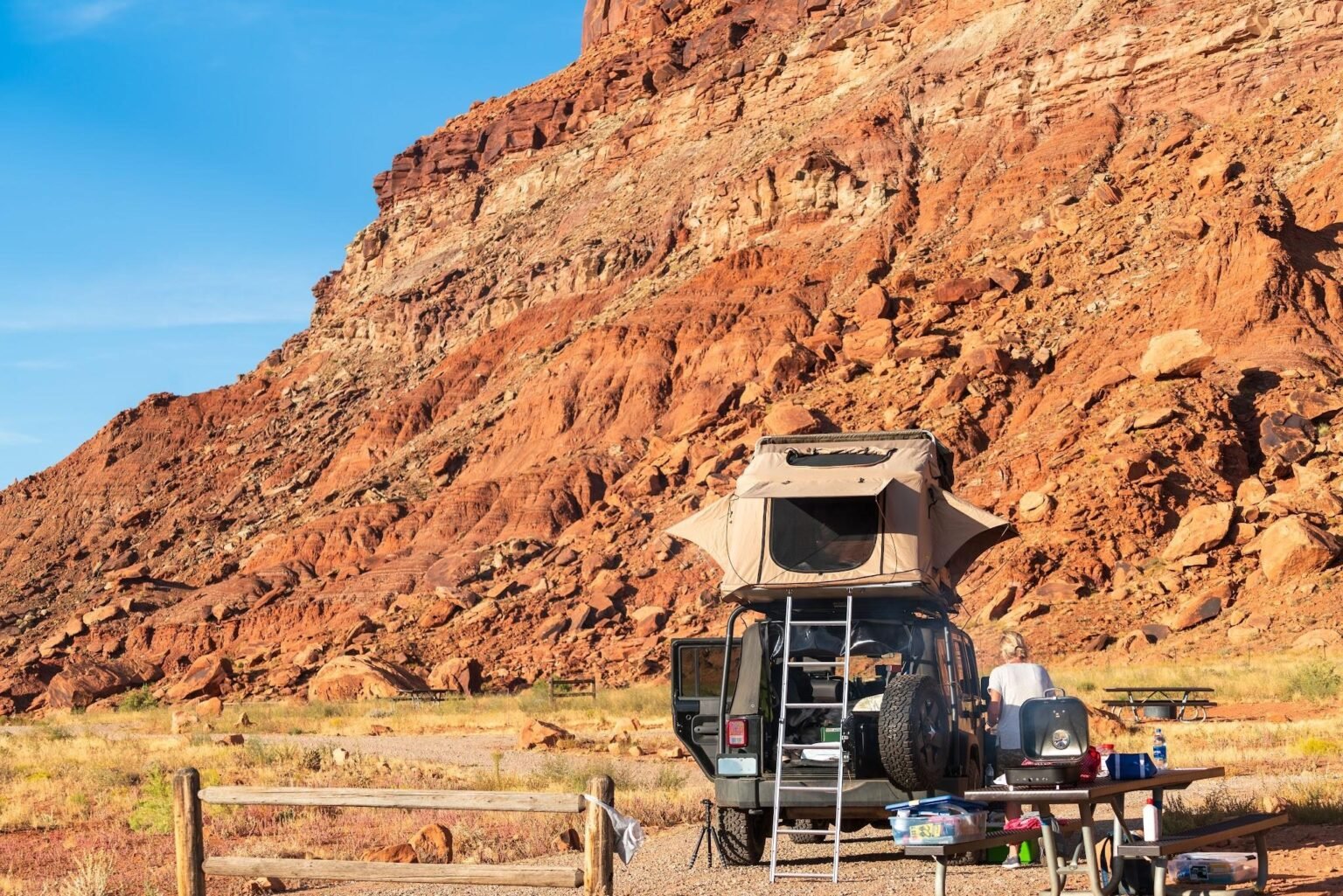
1. RV and Motorhome Travel
Campground hookup dependency limits where you park, how long you stay, and what you pay per night. Full-hookup sites at private campgrounds average $45 to $80 per night in peak season.
Many of the most compelling locations lack any electrical infrastructure, making alternative power sources necessary. A properly sized solar kit for RV use removes that constraint entirely, letting you boondock for days or weeks on sunlight and battery storage alone.
A rooftop panel array of 200W to 400W paired with a 100Ah lithium battery bank easily runs an RV refrigerator, LED lighting, and personal electronics without a hookup fee. Building confidence often requires selecting pre-matched components rather than guessing at specifications.
Implementing a reliable off-grid solar kit from Off-Grid Source provides a pre-verified starting point sized for typical RV loads. You avoid the component-matching headache while keeping portable power station options open for supplemental needs.
Choosing the right solar equipment depends entirely on matching panel wattage and battery capacity to your actual daily load. Fixed rooftop configurations suit permanent installs where southern exposure is abundant. Portable folding models provide flexible positioning when heavy tree shade limits roof exposure.
2. Remote Cabins and Holiday Properties
Establishing a grid connection to a remote property requires massive upfront capital before a single light bulb turns on. In remote locations, stand-alone systems can be more cost-effective than extending a power line to the electricity grid, since line costs range from $15,000 to $50,000 per mile.
Sizing off-grid solar for cabin use presents clear financial logic when comparing an upfront equipment investment against heavy trenching fees and decades of monthly billing.
A cabin system handling basic lighting, a 12V water pump, and a small refrigerator typically requires an 800W to 2kW panel array alongside a 200Ah battery bank. Component matching remains the most critical step before purchasing these setups.
Confirming exact compatibility between the panels, battery bank, and inverter eliminates the most expensive build mistakes.
Battery autonomy dictates the number of consecutive cloudy days the system can sustain a load without direct sunlight. A two-day autonomy buffer serves as a common starting target for seasonal recreational properties. Four or more days of reserve capacity remains typical for year-round builds in northern climates.
| Key Insight: Grid connection to a remote property typically costs $10,000 $50,000+ before electricity flows. An off-grid solar‑plus‑battery system for the same loads often costs less upfront and eliminates decades of monthly billing. |
3. Van Life and Overlanding
Van lifers and overland travellers demand reliable power for laptops, communication devices, and refrigeration in highly remote locations. This community builds around the permanence of mobile living, meaning the electrical setup acts as primary infrastructure rather than a weekend convenience feature.
System failures far from cell service present serious safety risks, making uptime just as vital as total wattage capabilities.
Selecting a van life solar kit built around lithium storage can easily sustain a remote-work setup for weeks. A 200W to 400W rooftop panel paired with 100Ah to 200Ah of storage covers most van life daily loads. This capacity leaves plenty of margin for running electronics during unexpected low-sun days.
Lithium iron phosphate chemistry remains the preferred battery type for mobile applications due to its safety and weight advantages. It delivers far more usable energy per kilogram than lead-acid alternatives while discharging safely to a low capacity without permanent damage.
These lithium packs also exhibit greater than 2000 charge and discharge cycles before experiencing meaningful capacity loss.
4. Home Backup Power
United States grid outages averaged roughly eight hours of total interruption per customer in 2021, and that figure jumps significantly in regions prone to severe weather. Gas generators handle some of that gap but introduce stored fuel liabilities, necessary outdoor exhaust clearances, and noise levels that frustrate neighbours. Relying on home backup solar eliminates all of those friction points simultaneously.
Critical appliances draw very specific amounts of power during an extended outage. A refrigerator runs at 100Wh to 400Wh per day, a CPAP machine draws 30Wh to 60Wh per night, and essential LED lighting uses barely 40Wh. Sizing a home backup solar system to these specific critical loads keeps the battery bank manageable, and the hardware costs proportionate.
A 1kW to 2kW solar array paired with a 200Ah battery bank covers those essential loads for up to 24 hours of overnight autonomy. The most common backup mistake involves undersizing the battery bank to cover overnight loads when no sun is available to recharge it. Verifying your load math against a proper battery specification prevents sudden electronic shutdowns in the dark.
| Important: The most frequent home backup mistake is undersizing the battery to cover overnight loads without solar input. Size for 12 24 hours of autonomy, not peak sun. |
5. Garden Offices and Outbuildings
Extending grid power from a main property to a detached office or workshop involves permits, trenching, a licensed electrician, and a multi-week wait. Installing garden office solar power skips the trenching step entirely for most detached structures.
A simple 100W to 200W panel paired with a 50Ah to 100Ah battery handles realistic daily computer loads without any residential grid disruption.
Typical outbuilding loads include brief LED lighting, a laptop drawing roughly 100Wh, a local internet router, and a desk monitor. Total daily consumption for a working garden shed rarely exceeds 400Wh, staying comfortably within a basic panel’s average daily output.
A dedicated low-voltage system installs in a single weekend and rarely requires complex permitting in standard domestic jurisdictions.
| Pro Tip: A 100 200 W panel and 50 100 Ah battery install in a weekend for a garden office, often without permits, and cover a full working day’s 300 400 Wh load. |
6. Outdoor Events and Remote Worksites
Renting a generator for an outdoor event or temporary construction site costs up to $400 per day before factoring in fuel and exhaust placement logistics.
Contractors or event organisers running four multi-day events per year quickly spend more on rental fees than the cost of owning standalone hardware. The financial case for purchasing a dedicated solar setup strengthens with every repeat engagement.
A portable power station runs audio equipment, lighting arrays, and communication devices cleanly with absolutely zero noise complaints. Sustained power tool use on a worksite calls for a 200W panel kit paired with a larger battery that recharges actively during daylight hours.
This same heavy-duty kit stores neatly in the utility closet over winter and doubles as emergency household battery backup.
The Bottom Line
Matching equipment strictly to daily usage dictates the success of any power project, whether outfitting a recreational vehicle or installing a workshop array. The table below serves as a practical starting reference for identifying the correct load category before comparing system formats.
| Use Case | Typical Daily Load | Suggested Starting Point |
|---|---|---|
| RV / Motorhome | 200 to 600Wh | 200W to 400W panel + 100Ah battery |
| Remote Cabin | 1 to 5kWh | 800W to 2kW array + 200Ah+ battery |
| Van Life | 300 to 800Wh | 200W to 400W panel + 100 to 200Ah lithium |
| Home Backup | 1 to 3kWh (essentials) | 1 to 2kW system + 200Ah+ battery bank |
| Garden Office | 200 to 500Wh | 100W to 200W panel + 50 to 100Ah battery |
| Events / Worksites | Variable | Portable power station or 200W+ kit |
Pre-matched panel and battery combinations bypass the component guesswork for mobile van builds and stationary cabins alike. Verifying load calculations directly against a specific battery and inverter pairing guarantees the final installation runs the requested devices safely.
| Author Profile: Off-Grid Source is a U.S.-based authorised retailer serving homeowners, RV travellers, and off-grid builders with curated solar kits, batteries, inverters, and portable power stations from leading brands, backed by free shipping, system sizing support, and responsive customer service. |
