
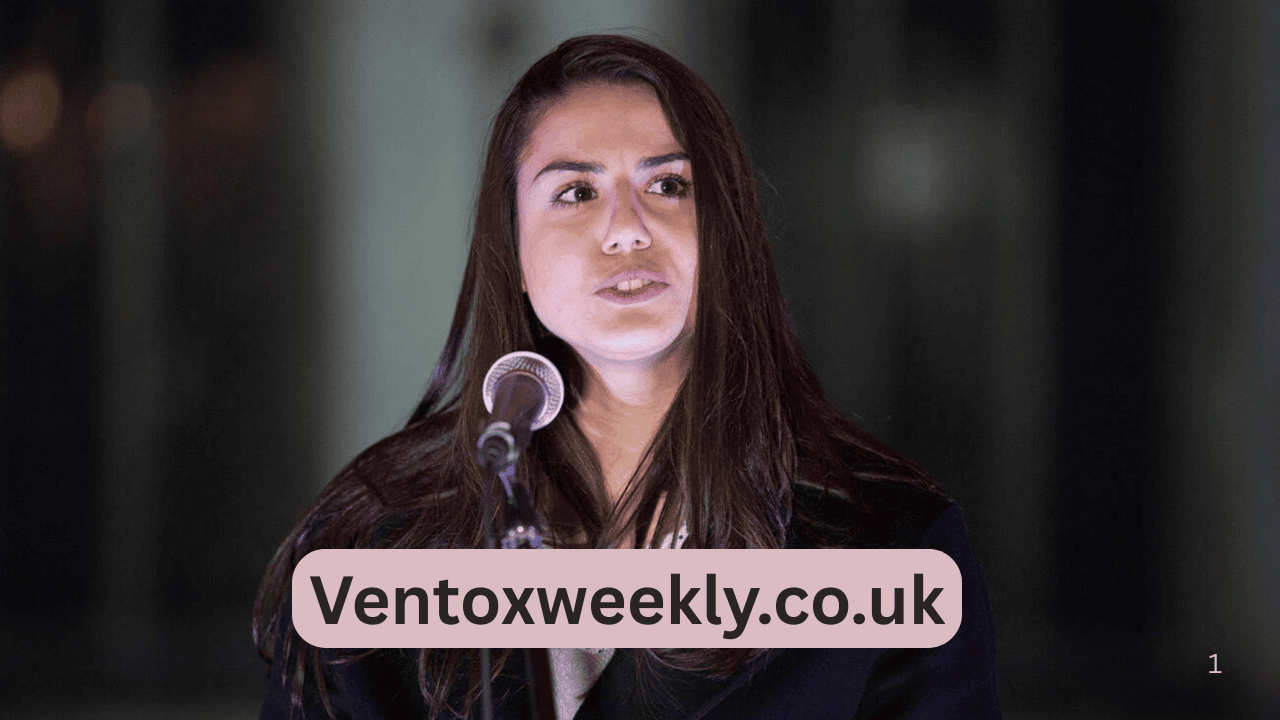
Stella Tsantekidou is a British policy professional, writer, and public commentator known for her work in social policy, youth justice, and political analysis. Over the past decade, she has built a profile that bridges the worlds of charity leadership, public policy reform, and independent journalism. Through her professional role at Catch22, her published essays in major UK outlets, and her Substack newsletter The Human Carbohydrate, Tsantekidou has become a recognizable voice in contemporary British public debate. This article explores Stella Tsantekidou’s background, career trajectory, writing, public influence, and why her work continues to attract attention across policy, media, and intellectual circles.
Who Is Stella Tsantekidou?
Stella Tsantekidou is best known as:
- Head of Policy and Campaigns at the UK charity Catch22
- A contributor to publications such as UnHerd and The Critic
- The creator of the Substack newsletter, The Human Carbohydrate
- A speaker at public policy and ideas conferences
- A recipient of an Emergent Ventures grant in 2024
Her work focuses primarily on social policy, government reform, education, youth services, welfare systems, and broader political culture in the UK.
Unlike many media personalities, Tsantekidou’s career is rooted in frontline policy work and third-sector leadership, giving her commentary a practical dimension shaped by real-world experience with public institutions.
Early Career and Professional Background
Before becoming widely known as a writer, Stella Tsantekidou worked in political and policy environments that shaped her long-term interests.
Public biographies and speaker profiles describe her as having:
- Worked as a parliamentary aide in the UK
- Participated in political campaigning, including field organizing experience in the United States
- Developed early expertise in government systems and public service delivery
These experiences exposed her to how policy is created, implemented, and often constrained by bureaucracy. This practical background later became a recurring theme in her writing, especially her criticism of inefficient systems and her interest in reforming how the state interacts with vulnerable groups.
Role at Catch22: Policy and Campaign Leadership

One of the most significant aspects of Stella Tsantekidou’s career is her leadership role at Catch22, a UK-based social business and charity that works with young people and adults facing disadvantages such as:
- Youth offending
- Unemployment
- Education exclusion
- Mental health challenges
- Social care needs
As Head of Policy and Campaigns, Tsantekidou is responsible for:
- Developing policy positions
- Coordinating research and evidence-based recommendations
- Engaging with government departments and MPs
- Shaping public campaigns on justice, education, and youth services
This role places her at the intersection of frontline social work and national policy debates. She works closely with practitioners, researchers, and decision-makers to advocate for changes in how the UK supports vulnerable populations.
Her contributions to Catch22’s research publications and blogs often examine topics such as:
- Barriers to employment for young people
- The youth justice system
- Welfare reform
- The impact of long-term illness on work capability
- Structural inefficiencies in public services
This policy foundation distinguishes her commentary from purely academic or journalistic perspectives.
Writing Career and Media Contributions
Stella Tsantekidou is also well known for her writing in British political and cultural media.
Contributions to UnHerd
UnHerd is a prominent UK publication focused on long-form political analysis and opinion. Tsantekidou’s articles there typically explore:
- Social mobility
- Class and education
- Government intervention and reform
- Cultural attitudes toward work and welfare
- Institutional trust
Her author profile on UnHerd highlights both her professional policy role and her independent writing projects.
Writing for The Critic
She is also a regular contributor to The Critic, a magazine that publishes essays on politics, society, economics, and culture.
Her articles in The Critic often address:
- Education policy, including debates around private schools
- Pension reform and the UK “triple lock” system
- The economic sustainability of public services
- Political incentives that shape long-term decision-making
These pieces tend to combine data-driven arguments with cultural commentary, reflecting her dual identity as a policy professional and public intellectual.
The Human Carbohydrate: Her Substack Newsletter
Perhaps Stella Tsantekidou’s most distinctive personal project is her Substack newsletter, The Human Carbohydrate.
What Is The Human Carbohydrate?
The Human Carbohydrate is a subscription-based political and cultural diary where Tsantekidou publishes:
- Personal reflections on policy work
- Commentary on British politics
- Essays on institutional dysfunction
- Observations about class, work, and modern life
- Behind-the-scenes insights into public policy debates
The newsletter has attracted a substantial readership, including policymakers, journalists, academics, and politically engaged readers.
Style and Themes
Her Substack writing style is:
- Analytical but conversational
- Data-aware but narrative-driven
- Critical of bureaucracy
- Skeptical of ideological simplifications
Many readers appreciate the way she blends technical policy knowledge with everyday observations about how systems affect individuals.
The newsletter has become an important platform for her independent voice, allowing her to explore topics in more depth than traditional media formats permit.
Emergent Ventures Grant (2024)
In 2024, Stella Tsantekidou received an Emergent Ventures grant, a competitive award program funded by economist Tyler Cowen and administered through George Mason University’s Mercatus Center.
Emergent Ventures supports individuals with high-potential ideas in:
- Public policy
- Science and technology
- Journalism
- Social innovation
The grant is widely seen as recognition of intellectual promise and public impact. Tsantekidou publicly acknowledged the award and described it as support for her ongoing writing and policy research.
This recognition further solidified her reputation as a serious contributor to contemporary policy debates.
Public Speaking and Conferences
Stella Tsantekidou regularly participates in public discussions, panels, and conferences.
She has appeared as:
- A lecturer at the Battle of Ideas festival
- A panelist at policy workshops
- A contributor to discussions hosted by think tanks and social policy organizations
These appearances typically focus on:
- Youth justice reform
- Education policy
- Welfare systems
- Government accountability
- The future of public services
Her speaking engagements complement her writing and policy work, positioning her as both a practitioner and a public thinker.
Areas of Expertise
Stella Tsantekidou’s work consistently revolves around several core themes:
Social Policy and Youth Justice
Her professional role gives her firsthand insight into how young people interact with courts, schools, and welfare systems.
She frequently highlights:
- Gaps between policy design and real-world outcomes
- The long-term cost of neglecting early intervention
- The consequences of fragmented service delivery
Education and Class
She writes extensively about:
- Private vs. state education
- Social mobility
- Credentialism
- Inequality in opportunity
Her commentary often challenges both progressive and conservative orthodoxies, emphasizing practical outcomes over ideological purity.
Government Efficiency and Institutional Design
A recurring topic in her work is the inefficiency of modern bureaucracies.
She examines:
- Incentives inside government departments
- The political economy of public spending
- How short-term electoral cycles undermine long-term planning
Welfare and Work
Her writing addresses:
- Disability benefits
- Long-term sickness
- Labor market participation
- The cultural meaning of work
These discussions draw directly from Catch22’s research and her interactions with service users.
Online Presence and Public Profile
Stella Tsantekidou maintains a relatively low-key but professional online presence:
- Her Substack is her main public platform
- Her articles appear regularly in major UK publications
- She is referenced by think tanks and charities
- She is occasionally cited in policy discussions and media debates
She does not cultivate celebrity in the traditional sense but has built credibility within policy and intellectual circles.
Why Stella Tsantekidou Matters
Stella Tsantekidou represents a growing category of public figures: individuals who operate simultaneously as:
- Practitioners inside institutions
- Independent writers
- Policy advocates
- Public commentators
This combination gives her work a particular authority. She does not simply theorize about government systems; she helps run and reform them.
Her influence lies not in mass-media fame but in:
- Shaping policy conversations
- Informing journalists and lawmakers
- Providing evidence-based critiques
- Offering grounded alternatives to ideological narratives
As debates about welfare, education, and public spending intensify in the UK, voices like hers play an important role in connecting abstract policy to lived reality.
Future Outlook
Given her trajectory, Stella Tsantekidou is likely to continue expanding her influence through:
- Further policy leadership roles
- Continued growth of The Human Carbohydrate newsletter
- Additional media contributions
- Research and advocacy projects
- Speaking engagements and conferences
Her Emergent Ventures grant suggests that institutions and funders see long-term potential in her work, both as a writer and as a policy innovator.
Conclusion
Stella Tsantekidou is a notable figure in contemporary British public life, blending policy expertise with thoughtful journalism and independent analysis. From her leadership role at Catch22 to her essays in UnHerd and The Critic, and from her Substack newsletter to her conference appearances, she has developed a distinctive voice focused on how government systems affect real people.
You May Like: Why Is Robert Peston Not on TV Tonight: The Full Explanation
