
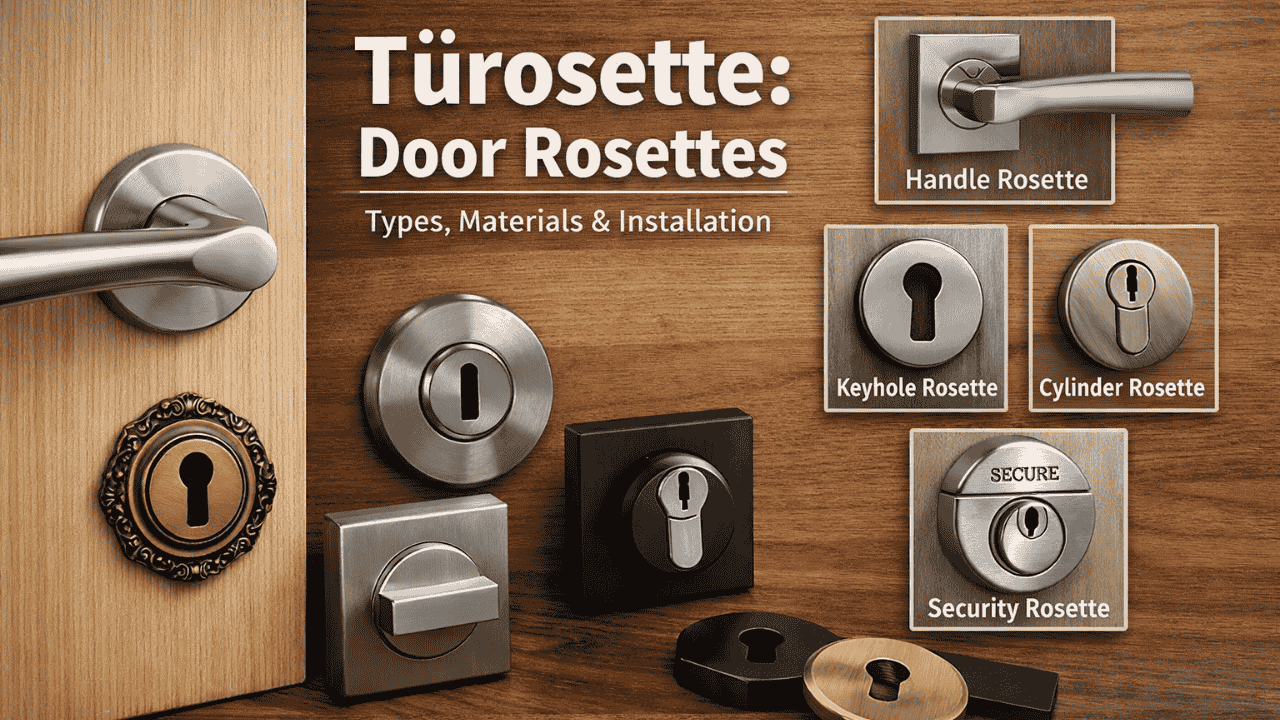
Doors are one of the most essential elements of any building, whether residential or commercial. While the door itself often gets the most attention, smaller components such as handles, locks, and türosette also play a crucial role in both functionality and design. A türosette (German: Türrosette) is a small but important hardware component installed around a door handle or keyhole. It enhances a door’s overall appearance while protecting its surface from damage. In modern architecture and interior design, choosing the right türosette can significantly influence a door’s style and durability. From stainless steel designs to decorative brass options, door rosettes are available in a wide range of styles and materials to suit different needs. This complete guide explains everything you need to know about türosette, including its purpose, types, materials, installation, and tips for selecting the right one for your home or office.
What is a Türosette?
A türosette is a small plate or cover installed around the base of a door handle or around the keyhole. It is typically circular but can also be square or rectangular, depending on the design. The main purpose of a türosette is to cover the opening in the door through which the handle spindle or lock mechanism passes.
In many door handle systems, the handle and the keyhole are mounted on separate rosettes. This design gives doors a modern and minimalist appearance compared to traditional long backplates.
The word türosette comes from German, where Tür means door and Rosette refers to a decorative circular element.
Why Türosette is Important
Although small, a türosette serves several important functions.
Protection for the Door Surface
Door handles are frequently used, which can cause scratches or wear around the handle area. A türosette protects the door surface from damage by acting as a protective barrier.
Improved Door Design
Modern interior design often focuses on minimalism and clean lines. Using separate türosette pieces instead of a long door plate creates a sleek and elegant look.
Concealing Screws and Hardware
Another advantage of a türosette is that it hides screws and mounting hardware. This gives the door handle a clean and professional appearance.
Enhanced Security
Security rosettes provide extra protection for the lock cylinder. High-quality türosette designs can prevent tampering or forced entry by covering the lock mechanism.
Types of Türosette
There are several types of türosette, each designed for specific door functions.
Handle Rosette (Drückerrosette)
This type surrounds the door handle spindle. It is the most common form of türosette used in residential and commercial doors.
Handle rosettes are usually paired with lever handles and are installed on both sides of the door.
Keyhole Rosette
A keyhole türosette is placed around a traditional keyhole. It is commonly used with mortise locks in older doors or decorative designs.
Cylinder Rosette
Cylinder rosettes are designed for modern door locks with profile cylinders. These türosette designs provide additional security and are commonly used for entrance doors.
Security Rosette
A security türosette is reinforced with stronger materials and features to deter tampering. These rosettes protect the lock cylinder from drilling or pulling attacks.
They are widely used on apartment entrance doors and commercial buildings.
Materials Used in Türosette
The material of a türosette determines its durability, style, and price. Here are the most common materials used.
Stainless Steel
Stainless steel türosette designs are popular due to their durability and corrosion resistance. They are ideal for modern homes and commercial buildings.
Advantages include:
- Rust resistance
- Long lifespan
- Modern appearance
- Easy maintenance
Brass
Brass türosette options are often used in traditional or classic interiors. Brass offers a warm and elegant appearance.
Many decorative doors feature polished or antique brass rosettes.
Aluminum
Aluminum türosette products are lightweight and affordable. They are commonly used in interior doors where heavy-duty security is not required.
Zinc Alloy
Zinc alloy is often used for stylish designer rosettes. It allows manufacturers to create intricate shapes and patterns.
Plastic
Plastic türosette designs are the most economical option. They are typically used on low-cost interior doors.
However, they are less durable compared to metal rosettes.
Common Shapes of Türosette
While round rosettes are the most common, modern door hardware offers a variety of shapes.
Round Rosette
The classic türosette shape is round. It works well with almost any door design and is widely used in both residential and commercial spaces.
Square Rosette
Square rosettes are popular in contemporary interior design. They complement modern door handles and minimalist architecture.
Oval Rosette
Oval türosette designs are less common but can be found in decorative door hardware sets.
Advantages of Using Türosette
Using a türosette instead of a full door plate offers several advantages.
Modern Aesthetic
Rosette-mounted handles give doors a clean and minimalist appearance.
Flexibility in Design
Because the handle and keyhole are separate components, designers have more flexibility when choosing hardware combinations.
Easy Replacement
If a türosette becomes damaged, it can be replaced without changing the entire handle set.
Better Door Protection
Rosettes protect the area around the handle from scratches, dents, and wear.
How to Choose the Right Türosette
Choosing the right türosette depends on several factors.
Door Type
Interior doors usually require simple rosettes, while entrance doors may need security rosettes.
Material Quality
For long-term durability, stainless steel or brass türosette options are recommended.
Design Style
The rosette should match the door handle and overall interior style.
For example:
- Modern homes → square stainless steel rosette
- Classic interiors → decorative brass rosette
Security Level
If the door is an exterior entrance, choose a reinforced türosette with anti-tamper protection.
How to Install a Türosette
Installing a türosette is a relatively simple process that can often be completed with basic tools.
Remove the Old Hardware
Start by removing the existing door handle or plate using a screwdriver.
Align the Rosette
Place the new türosette over the handle spindle hole or keyhole.
Fix the Mounting Plate
Most rosettes include a mounting plate that attaches to the door with screws.
Attach the Cover
Once the mounting plate is secured, attach the decorative türosette cover.
Reinstall the Door Handle
Finally, reinstall the door handle through the rosette.
Maintenance Tips for Türosette
To keep your türosette looking new and functioning properly, follow these maintenance tips.
Regular Cleaning
Use a soft cloth and mild cleaning solution to remove dust and fingerprints.
Avoid Harsh Chemicals
Strong chemicals can damage the finish of metal rosettes.
Check Screws Periodically
Over time, screws may loosen due to frequent door use. Tighten them occasionally to maintain stability.
Türrosette vs Door Plate
Many people wonder whether they should choose a türosette or a long door plate.
Here are the key differences.
| Design | Minimalist | Traditional |
| Installation | Separate components | Single plate |
| Style | Modern | Classic |
| Flexibility | High | Limited |
Today, türosette systems are more popular in modern architecture because they offer a cleaner, more elegant look.
Trends in Modern Türosette Design
Door hardware design continues to evolve. Recent türosette trends include:
- Matte black finishes
- Brushed stainless steel
- Hidden screw systems
- Ultra-thin rosette designs
- Smart lock compatible rosettes
These innovations allow homeowners to combine security with stylish door hardware.
Conclusion
A türosette may seem like a small detail, but it plays a significant role in both a door’s functionality and aesthetics. From protecting the door surface to enhancing the overall design, door rosettes are an essential part of modern door hardware systems.
