
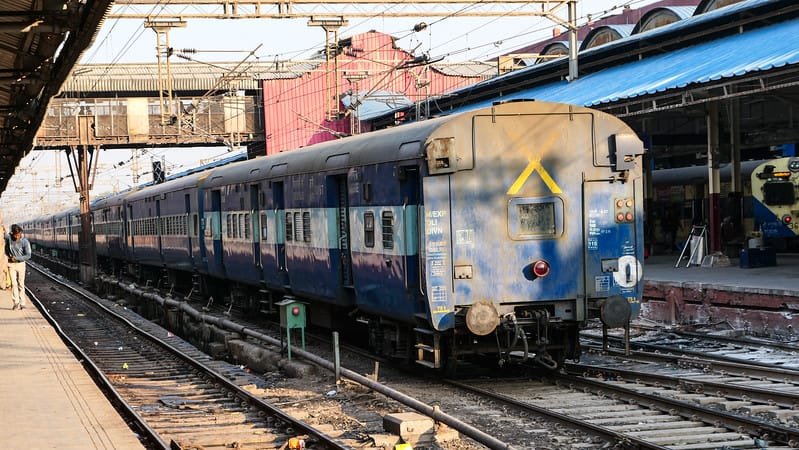
India’s trains are one of the quickest ways to understand the country. Not just the geography, but the rhythm of it. You’ll share space, snacks, and small talk with strangers, watch whole landscapes change through barred windows, and learn fast that “on time” is sometimes more of a mood than a promise.
If you’re travelling after booking flights to India, treat your first train journey like a mini-expedition. Not because it’s dangerous, but because it has rules no one explains until you’ve already made the classic mistakes. The good news is once you’ve done one trip, you’ll wonder why you were ever nervous.
This guide is the practical how-to: how booking works, what the different classes actually feel like, how to handle station chaos, what to eat, what to pack, and the small errors that quietly ruin a day.
Booking trains in India without losing your mind
Most long-distance trains are booked online, usually through the official railway booking system or apps that sit on top of it. The biggest surprise for first-timers is that tickets don’t work like a normal “buy it and you’re done” process. You’ll see different statuses that matter.
The ticket statuses you need to understand
Confirmed (CNF) means you have an allocated seat or berth. You’re good.RAC means “Reservation Against Cancellation”. You’re allowed to travel and you’ll get a shared berth or a seat that may convert into a full berth if someone cancels.Waitlisted (WL) means you don’t have a confirmed place yet. Whether it clears depends on cancellations and demand.
A simple rule: for long, important journeys, aim for Confirmed or at least RAC. Waitlist can work, but it’s a gamble you don’t want the night before a wedding in Jaipur.
What to do before you even search trains
Create your account in advance and store your passenger details somewhere safe. Booking can be time-sensitive, especially for popular routes. If you leave setup until you’re stressed, you’ll end up typing passport numbers with sweaty thumbs while the site logs you out.
Tatkal: the last-minute option people swear by
Tatkal is the last-minute quota. It’s competitive and unforgiving. If you’re relying on it:
- be logged in early
- have passenger details ready
- avoid swapping between tabs or apps
- don’t “browse” at opening time, go straight to the train you want
Also remember that last-minute tickets often cost more and still might not be available for your preferred class.
Third-party booking sites: useful, but know what you’re paying for
Many travellers use third-party apps because they feel easier. That’s fine. Just understand you might be paying extra for convenience, and you’ll still need your booking details and train number to navigate the station.
Choosing classes: Sleeper vs AC, and what it actually feels like
This is where people get it wrong. They pick a class based on budget alone, then wonder why they arrive looking like they’ve been through something.
Sleeper Class: the classic, loud, real India
Sleeper is non-AC, open windows, lots of movement, and a constant stream of sounds. It’s social. It’s chaotic. It can also be brilliant.
Choose Sleeper if:
- you’re travelling during the day
- you like people-watching
- you can cope with heat and noise
- you’re happy with basic toilets and less personal space
Avoid Sleeper if:
- you’re a light sleeper
- you’re doing a long overnight
- you’re sensitive to dust, heat, or crowds
- you want to arrive rested and functional
3AC: the sweet spot for most first-timers
3AC is usually the best balance. It’s calmer, cooler, and more predictable than Sleeper. You’ll still have the shared, communal feel of train travel, but with fewer surprises.
2AC: better sleep, fewer people, more space
If your journey is long, 2AC can be worth it. You’ll get more privacy, less foot traffic, and often a quieter carriage. If you’re travelling as a couple, it can feel like upgrading the whole trip.
1AC: privacy, but not always necessary
1AC can be great if you want a locked cabin and maximum personal space. But for many routes, 2AC is already comfortable enough without the extra cost.
Chair Car: for daytime travel
Chair Car and Executive Chair Car are for short-to-medium daytime trips. They’re great when you want to arrive neat, especially on popular intercity routes.
Station survival: the platform chaos is part of the experience
Big stations can feel like a movie scene. People running, vendors shouting, announcements echoing, trains rolling in like metal storms. The chaos is real. The trick is to avoid being the person trying to solve it all at once.
Your station game plan
- Arrive early, especially for major routes.
- Find your train number, not just the name.
- Confirm the platform on boards and with staff. Platforms can change.
- Figure out your coach position if possible (A1, B1, S1 etc). Long platforms punish last-minute sprints.
The calmest way to board
Stand roughly where your coach will stop. Watch for painted coach markers or ask someone who looks like they do this every week. Families waiting together often know exactly where to stand.
If you board the right train but the wrong coach, don’t panic. You can usually move through once the train is underway, or ask the ticket inspector for help.
Food on trains: how to eat well without rolling the dice
You’ll see food from three places: onboard vendors, platform stalls, and sometimes pre-ordered meals delivered to your seat at major stations.
The safest rule
Eat what’s hot, fresh, and popular. High turnover usually means better food and less risk.
Reliable options:
- chai from busy stalls
- bottled water (sealed)
- packaged snacks
- bananas or oranges you can peel yourself
Be cautious with:
- sauces sitting uncovered
- dairy that’s been out in heat
- anything that looks like it’s been waiting a while
Build a snack buffer
Carry something simple so you’re not forced into a bad decision when hunger hits. A small stash of biscuits, nuts, or fruit can save you from desperation eating at 11pm.
What to pack for Indian train travel
If you pack properly, trains are comfortable. If you don’t, you’ll spend the whole journey improvising solutions.
Essentials that make a big difference
- Hand sanitiser and wet wipes
- Tissues (always)
- A light layer for AC coaches
- Earplugs and an eye mask
- A power bank
- A reusable water bottle (plus sealed water for the first stretch)
- A small lock for your bag zips
- Flip-flops for station toilets
- A small towel or microfibre cloth
The underrated hero item
A light scarf. It works as warmth, a head cover for temples, a dust shield, a privacy screen, and a pillow upgrade. You’ll use it more than you expect.
Common mistakes first-timers make
Mistake 1: booking connections that are too tight
A 20-minute connection looks fine until your first train rolls in late and you’re dragging a suitcase across a crowded footbridge. Give yourself buffer time.
Mistake 2: thinking Sleeper will be “an adventure” on an overnight
It can be. It can also be a long night of noise and bright lights. If sleep matters, pick AC.
Mistake 3: not saving your details offline
Signals drop. Apps crash. Screenshots and saved booking numbers are your friend.
Mistake 4: arriving at the station with no plan
Know your train number, departure time, and coach class. Everything else you can figure out on the ground.
Mistake 5: eating whatever appears because you’re starving
Bring a snack buffer so you can choose food rather than surrender to it.
Final reality check
The first train journey in India is always a bit of a learning curve. Then something clicks. You stop fighting the flow. You stop trying to control everything. You settle into the logic of it: chai breaks, station lights, people sharing snacks, the feeling of moving through a country at human speed.
