
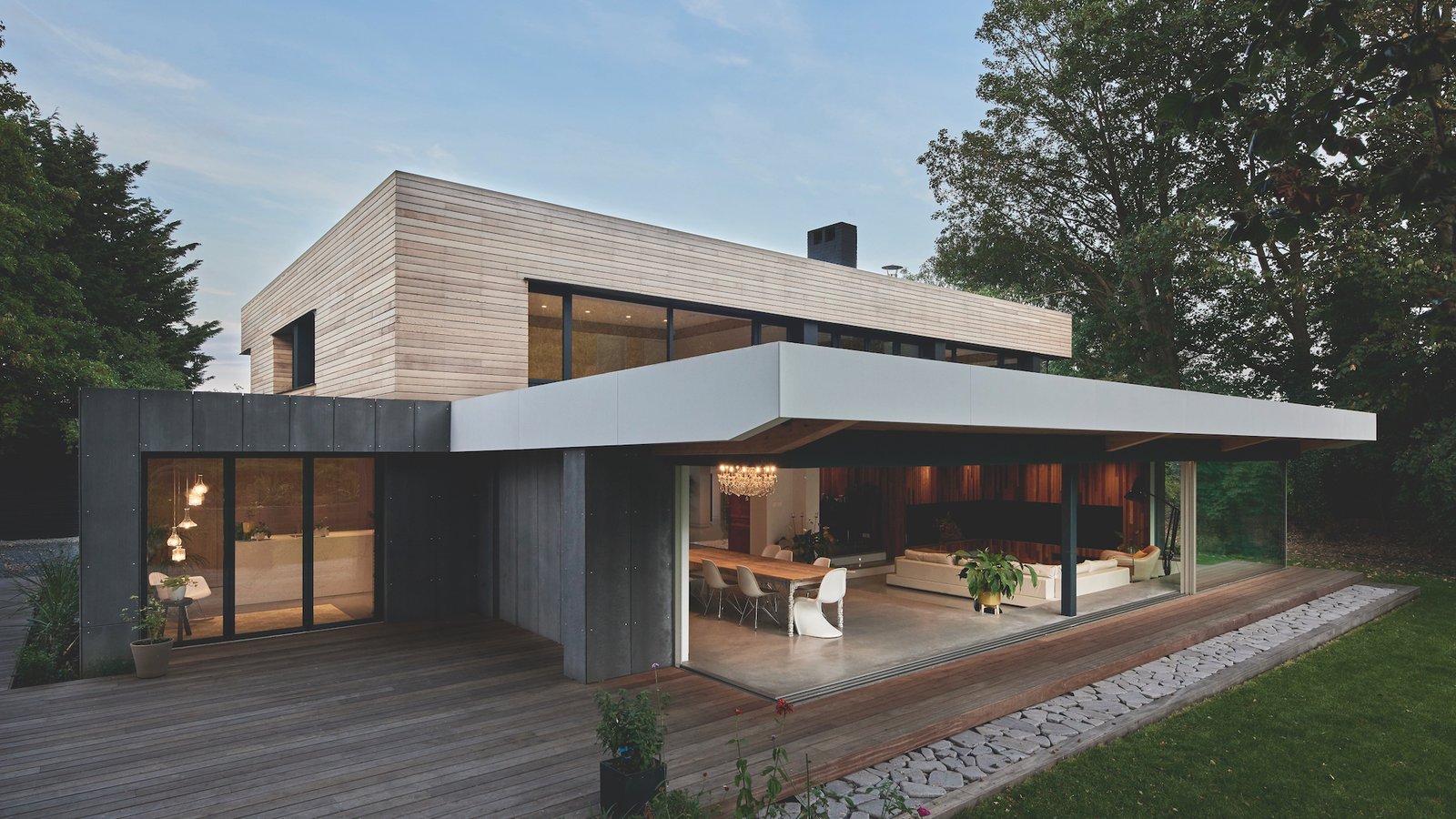
A single storey extension is one of the most transformative home improvements available to UK homeowners. When it is well conceived and carefully executed, it does not simply add a room to the back or side of a house. It reshapes the entire ground floor, improves how natural light moves through the home, and creates a connection between interior living space and the garden that changes how a family experiences their property every single day. Whether you are planning a generous open plan kitchen and dining room, a dedicated home office, or a light-filled garden room, getting the design right from the very beginning is what separates an outstanding result from an ordinary one. A Single Storey Extension is not simply a construction project. It is a design challenge that rewards careful thinking, expert guidance, and a clear vision of how the finished space will be lived in. This guide brings together the top design tips from UK experts to help homeowners plan their project with confidence and clarity.
Start with How You Actually Live
The most common mistake in extension planning is starting with the architecture rather than the life that will unfold within it. Before considering roof forms, materials, or glazing systems, the most valuable exercise a homeowner can undertake is a clear and honest assessment of how they currently use their ground floor and how they want that to change.
Do you need a kitchen large enough for the whole family to gather in while meals are being prepared? Do you want a direct and unobstructed connection to the garden? Do you need a quiet zone for working from home that sits apart from the main living area? These questions, answered with specificity, become the brief that drives every design decision that follows. An architectural team that listens carefully to this brief and designs in direct response to it will consistently produce better outcomes than one that applies a preferred formula regardless of the client’s actual needs.
Prioritise Natural Light from the Outset
Natural light is the single most powerful determinant of how a space feels to inhabit, and it deserves to be treated as a primary design driver rather than an afterthought. Single storey extensions have a particular challenge in this regard: the further the new space extends from the rear wall of the existing house, the harder it becomes to bring daylight into the centre of the plan through conventional windows alone.
The most effective solutions address this directly through the roof. Roof lights positioned over the kitchen or central zone of an open plan layout bring daylight deep into the space from above, eliminating the dark middle ground that undermines so many otherwise well-designed extensions. A full-width glazed roof section or a dramatic lantern above a dining table can transform the quality of light in the new space and create a feature that defines the character of the interior throughout the year.
Resolve the Indoor and Outdoor Relationship
One of the most compelling qualities of a well-designed single storey extension is the way it connects the interior of the home with the garden. This relationship deserves careful thought at the design stage rather than being resolved simply by installing the largest set of bifold doors that will fit in the rear wall.
The most successful extensions create a genuine continuity between inside and outside, with flooring that runs from the interior through to an external terrace, ceiling soffits that extend beyond the glazed wall to provide shelter and shade, and planting that is considered as part of the overall spatial composition. When the extension and the garden are designed as a single connected environment, the result is a space that feels expansive, serene, and deeply rewarding to inhabit throughout every season.
Choose Materials That Work Together
Material selection in a single storey extension operates at two scales simultaneously. Externally, the materials need to respond to the existing house and its planning context, whether that means matching the existing brick, introducing a contrasting contemporary finish, or responding to the character guidance of a conservation area. Internally, the materials need to create a coherent and beautiful environment that works across the different zones of an open plan layout.
The most enduring material palettes are those built around a small number of carefully chosen elements that relate to one another with clarity. A warm timber floor, a clean wall finish, and a single natural stone or porcelain surface in the kitchen create a foundation of quality that supports rather than competes with the architecture. Adding too many materials and finishes at once fragments the spatial experience and makes the space feel busier and smaller than it actually is.
Invest in the Design Stage
The quality of the design and documentation produced before a single brick is laid has a direct and significant bearing on every aspect of the project that follows. A thoroughly developed set of construction drawings reduces ambiguity on site, improves the accuracy of contractor pricing, and gives the build programme the best possible foundation for running smoothly and on budget.
Bringing Design and Build Together
The most efficient and satisfying single storey extension projects are those where the design and build dimensions are closely integrated from the outset. Working with a specialist Design and Build practice keeps the creative vision and the construction reality in constant dialogue, producing outcomes that are as well built as they are well designed. From the first conversation through to the final completion, the goal is a home that exceeds expectations and stands as a lasting testament to what expert design and build can achieve.
