
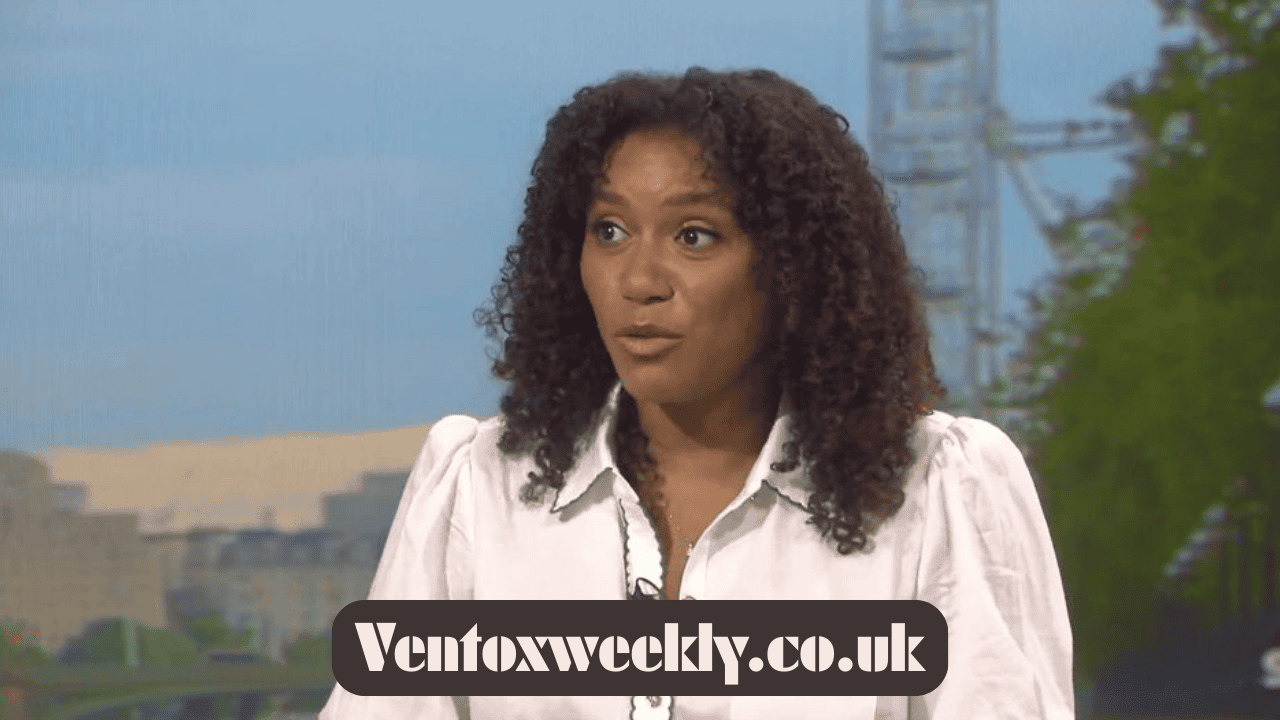
In an era when news moves at the speed of social media and public trust in information is constantly tested, journalists who combine clarity, credibility, and calm analysis play an essential role. One such figure increasingly recognized in the British media is Mhari Aurora. Known primarily for her work as a political correspondent, she represents a new generation of reporters who balance traditional journalistic standards with the demands of 24-hour digital news, live broadcasting, and direct audience engagement. This article explores who Mhari Aurora is, her professional journey, her approach to political reporting, her public presence, and why her work matters in today’s media landscape.
Early Career and Entry Into Journalism
Like many journalists, Mhari Aurora’s professional path reflects a steady progression built on education, newsroom experience, and persistence. While not all personal background details are publicly documented in depth, her career trajectory follows a familiar and respected route within British journalism: developing reporting skills through research, production roles, and early newsroom assignments before moving into on-air political coverage.
Political journalism is a demanding specialization. It requires not only a strong grasp of policy and government structures but also the ability to explain complex topics in ways that ordinary viewers can understand. From the beginning of her career, Aurora focused on building those competencies—learning how to verify sources, interpret official statements, and present balanced coverage during fast-moving political events.
This foundation prepared her for work in national broadcasting environments, where accuracy, speed, and clarity are equally critical.mhari aurora
Role as a Political Correspondent
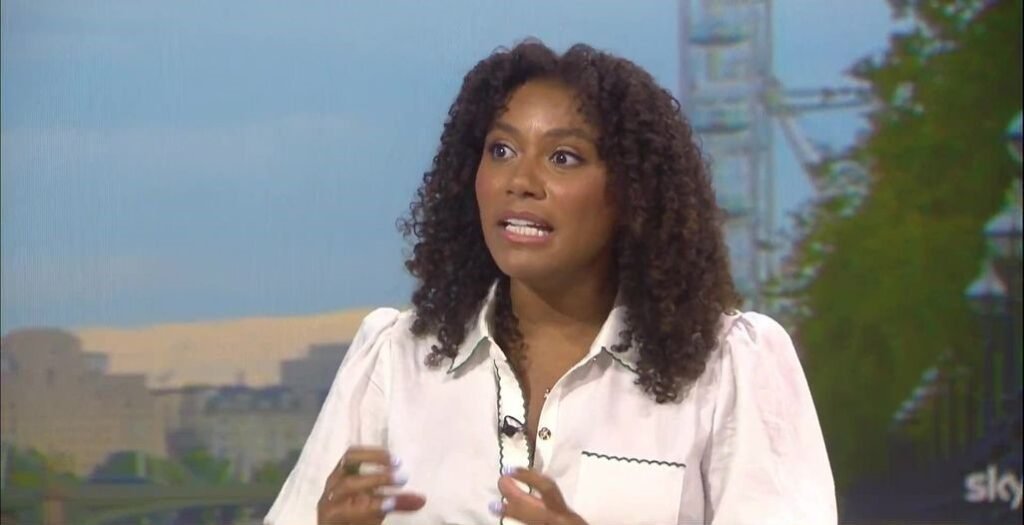
Mhari Aurora is best known for her work as a political correspondent for a major UK news broadcaster. In this role, she reports on developments from Westminster, general elections, leadership contests, government policy announcements, and major political crises.
The responsibilities of a political correspondent extend far beyond simply reading prepared scripts. They include:
- Monitoring parliamentary debates and committee hearings
- Conducting interviews with politicians, advisors, and analysts
- Translating technical policy language into accessible reporting
- Appearing live on television and digital platforms, often with little notice
- Providing real-time updates during breaking news events
Aurora’s work places her at the intersection of politics and public understanding. Her reporting helps audiences understand how decisions made in Parliament affect everyday life, from economic policy and healthcare to foreign affairs and national security.
Reporting Style and Professional Reputation
One reason Mhari Aurora has gained recognition is her reporting style. Viewers and colleagues often describe her delivery as composed, factual, and direct. Rather than leaning toward sensationalism, she tends to focus on:
- Clear summaries of what has happened
- Context about why it matters
- Insight into what may happen next
This approach is particularly valuable in political journalism, where exaggerated claims or emotionally charged reporting can distort public understanding. By maintaining a measured tone, Aurora contributes to informed discussion rather than political polarization.
Her on-air presence also reflects professionalism: concise explanations, careful wording, and a visible commitment to accuracy. These traits are increasingly important at a time when misinformation spreads easily, and public confidence in media organizations is frequently challenged.
Navigating the Digital Media Landscape
Modern journalists are no longer limited to television, radio, or print. Mhari Aurora, like many of her peers, maintains a presence on social media platforms where she shares reporting updates, behind-the-scenes perspectives, and links to her published work.
This digital engagement serves several purposes:
- Transparency – Audiences can see how stories develop and how journalists source information.
- Accessibility – Viewers can follow political updates in real time, even outside scheduled broadcasts.
- Accountability – Public feedback allows journalists to correct mistakes quickly and clarify complex points.
For political correspondents, social media can be both a powerful tool and a challenge. It allows rapid dissemination of information but also exposes journalists to criticism and online harassment. Maintaining professionalism in this environment requires discipline, resilience, and ethical judgment.
Aurora’s online presence reflects the careful balance many journalists aim to achieve: informative without being inflammatory, engaged without being partisan.
Contributions Beyond Political Reporting
Interestingly, the name Mhari Aurora also appears in music credits, particularly as a vocalist on jazz or contemporary recordings. While this is a separate and much smaller public footprint compared to her journalism career, it adds an intriguing dimension to her professional identity.
Creative expression through music and the analytical discipline of political journalism may seem worlds apart, but both rely on communication, emotional intelligence, and audience connection. Whether this musical work represents a long-term parallel career or occasional collaboration, it demonstrates a versatility not uncommon among modern media professionals.
This combination of analytical reporting and creative collaboration highlights how careers today are rarely confined to a single rigid path.
The Importance of Women in Political Journalism
Mhari Aurora’s visibility also matters in the broader context of representation within the media. Political journalism has historically been dominated by men, particularly in senior correspondent roles covering government and elections.
In recent years, this landscape has begun to change, with more women taking prominent positions as political editors, correspondents, and anchors. This shift benefits journalism in several ways:
- Broader perspectives in political coverage
- Increased diversity in newsroom leadership
- More role models for young women entering media careers
Aurora’s presence contributes to this ongoing transformation. By occupying a high-profile political reporting role, she helps normalize gender diversity in one of the most influential areas of journalism.
Challenges of Covering Modern Politics
Reporting on politics in the 21st century presents unique difficulties:
- Rapid news cycles that leave little time for long-form investigation
- Constant public scrutiny
- Polarized audiences who may distrust unfavorable reporting
- The pressure to deliver immediate analysis before all facts are known
Mhari Aurora’s work unfolds against this backdrop. Each appearance on air may involve summarizing complicated negotiations, election data, or legislative proposals within minutes, sometimes seconds.
Maintaining accuracy under such pressure is not easy. Mistakes can spread widely and quickly, and reputations can be affected by a single misstatement. Political correspondents, therefore, rely on preparation, editorial support, and experience to navigate these risks.
Aurora’s continued presence in this field suggests that she has earned trust within her organization and among viewers.
Influence on Public Understanding
While journalists do not make policy, they strongly influence how the public perceives it. The framing of a story, the choice of sources, and the emphasis on certain details all shape audience interpretation.
Through her reporting, Mhari Aurora helps define:
- Which political developments receive attention
- How government decisions are explained
- What questions are posed to political leaders
This influence carries responsibility. Ethical journalism requires fairness, verification, and transparency. Political correspondents must challenge misleading statements while avoiding personal bias.
By maintaining a reputation for balanced reporting, Aurora contributes to a healthier information environment—one where citizens can form opinions based on facts rather than speculation.
Future Prospects and Career Development
As her career progresses, several potential paths lie ahead for Mhari Aurora:
- Advancement to senior political editor roles
- Hosting dedicated political programs or interview segments
- Writing long-form political analysis or books
- Expanding into international reporting or documentary journalism
Media careers often evolve in unexpected ways, shaped by global events, personal interests, and organizational opportunities. Given her experience and visibility, Aurora is well-positioned for continued growth in British journalism.
Whether she remains primarily a correspondent or transitions into leadership roles, her professional foundation suggests a long-term presence in the public information sphere.
Conclusion
Mhari Aurora represents the modern political journalist: adaptable, analytical, and visible across multiple platforms. Her work as a political correspondent places her at the heart of the national conversation, translating the often complex, technical language of government into information ordinary citizens can understand.
You May Like: Leila Nathoo Origin: Exploring the Background of BBC’s Esteemed Political Correspondent
