
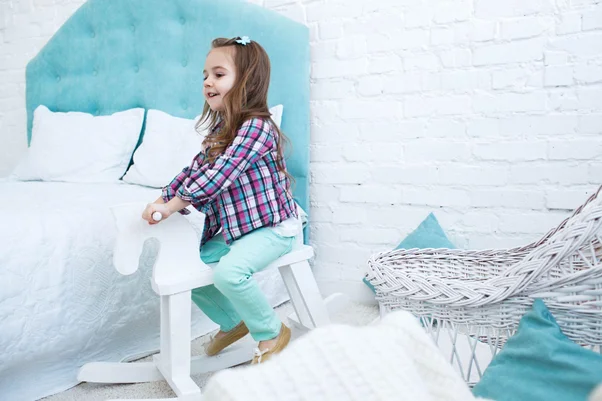
Kids’ bedrooms can be quite fun to design, especially when you know what you’re doing. That’s where moodboards come in and ensure you can design a place where:
- Imagination is free
- Have fun and rest
- Children can express themselves
- Be creative
- Grow while learning
So, let’s discuss how you can make the space more fun and functional, considering their growing age and space.
Why A Fun & Functional Kids’ Room Matters?
A well-designed kids’ room can support:
- Sleeping
- Resting
- Playing
- Imagining
- Learning
- Homework
- Reading
- Dressing
- Organising
Encouraging Independence
Controllable organisation and access to storage aid in responsible learning by children. They are likely to clean up when they can access their toys, clothes, and books readily.
Supporting Growth & Change
Children are fast-growing, and their needs are as well changing rapidly. A room that can be reconfigured with time will save all the redesigning that might be required and ensure that the space is useful in the years to come.
Start With Smart Planning
- Understand Your Child’s Needs
- Age and stage of development
- Interests and hobbies
- Sleep habits
- Storage needs
- Whether the room is shared
- Divide The Room Into Zones
| Sleep zone | Bed, bedside table, lighting |
| Play zone | Open floor space, toy storage |
| Study zone | Desk, chair, shelves |
| Storage zone | Wardrobe, drawers, baskets |
- Choosing The Right Bed
Opt For The Right Size
Select a bed that fulfils the needs of your child now and at the same time gives the opportunity to grow.
- A convertible bed to a toddler bed
- Single beds with under-space
- Small double beds for more room
Beds With Built-In Storage
There are options like:
- childrens ottoman bed
- Upholstered beds
- Divan bed with drawers
- Themed beds
- Built-in shelving beds
Fun Bed Designs
Popular options include:
- Cabin beds
- Bunk beds
- Mid-sleepers with play or desk areas below
Storage Solutions That Actually Work
Modern smart storage is critical to a functional kids’ room.
- Make Storage Accessible
Children will tend to use storage when they are able to access it.
- Low shelves
- Open bins
- Floor-level drawers
- Mix Of Open & Closed Storage
- Open storage has daily-use items in easy reach.
- Closets conceal the mess and make the appearance more serene.
- Creative Toy Storage Ideas
- Cube storage with fabric bins
- Rolling storage boxes
- Wall-mounted organisers
- Storage benches
Making Storage Fun
Storage doesn’t have to be boring.
- Add Labels & Visuals
Use:
- Picture labels
- Colour-coded bins
- Chalkboard tags
- Rotate Toys Regularly
- Store some toys out of sight
- Swap them
- Control overstimulation
Creating A Play-Friendly Space
- Leave Open Floor Space
Clear floor space allows:
- Building and imaginative play
- Movement and activity
- Flexibility for different games
Soft Flooring Options
Consider:
- Rugs
- Foam play mats
- Carpet tiles
- Dedicated Play Corners
Ideas include:
- A small teepee
- Play tent
- A reading nook
- A toy kitchen
- Activity table
Designing A Study & Learning Area
- Choose The Right Desk
A good desk should:
- Be the correct height
- Have enough surface space
- Offer some built-in storage
- Comfortable Seating
Look for:
- Adjustable height
- Comfortable back support
- Durable materials
- Good Lighting
- Natural light where possible
- Desk lamps for focused tasks
- Soft overhead lighting
Using Colour & Decor Wisely
- Flexible Colour Palette
- Neutral bases
- Colourful accents
- Soft pastels
- Calm tones
- Add Personality Through Decor
Ideas include:
- Wall decals
- Posters and artwork
- Personal photos
- Display shelves
Don’t Forget The Wall Space
- Wall-Mounted Shelves
Perfect for:
- Books
- Small toys
- Decorative items
- Pegboards & Hooks
Use pegboards for:
- Craft supplies
- Bags
- Dress-up clothes
Keeping The Room Safe
- Furniture Safety
- Secure tall furniture to the wall
- Avoid sharp edges
- Choose sturdy pieces
- Child-Friendly Materials
Look for:
- Non-toxic paints
- Easy-to-clean fabrics
- Durable finishes
Designing For Shared Bedrooms
- Define Personal Areas
- Separate beds
- Individual storage
- Personal decor elements
- Use Space-Saving Furniture
- Bunk beds
- Trundle beds
- Shared desks with divided storage
Small Kids’ Rooms: Making The Most Of Limited Space
- Think Vertically
- Tall shelving
- Wall-mounted desks
- Loft-style beds
- Choose Multi-Functional Furniture
Examples include:
- Beds with storage
- Desks with shelves
- Seating with hidden storage
Maintaining A Fun & Functional Room
- Regular Decluttering
- Remove broken toys
- Donate unused items
- Store outgrown clothes
- Adapt As Needs Change
- Swap toy storage for study space
- Update decor to suit new interests
- Adjust furniture layouts
