
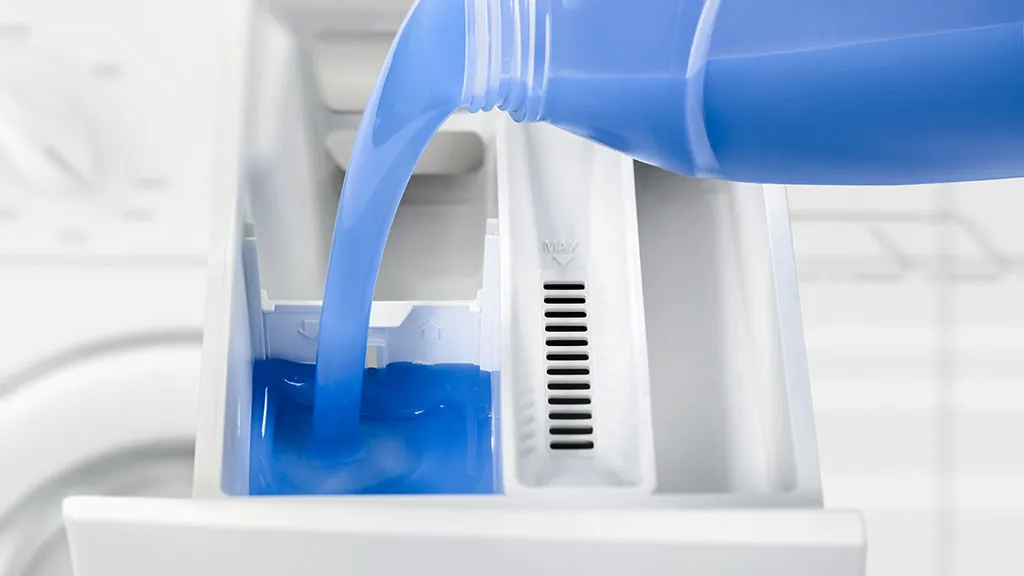
Determining how much fabric softener to use per load is a common dilemma for many homeowners. Most people assume that pouring more liquid into the machine results in softer, fresher clothes, but the opposite is often true. Overusing these products leads to a waxy buildup that actually traps odours and makes fabrics feel stiff. This confusion stems from misleading cap sizes and unclear instructions on many fabric softener bottles.
Getting the quantity right is vital for protecting your wardrobe and keeping your machine in top shape. While DIY laundry is standard, choosing a professional Laundry And Dry Cleaning service is a smart solution for those who want perfect results without the guesswork. Using the correct amount preserves fibre integrity and keeps your clothes looking new for longer.
How Much Fabric Softener Per Load for Washing Machine
For a standard medium load, you usually only need about two tablespoons or half a capful of softener. If you are running a small load, one tablespoon is plenty to achieve a soft feel. For extra-large or heavy loads, you can increase this to three tablespoons, but never fill the dispenser to the brim.
Using the right fabric softener dosage ensures that the liquid rinses away completely during the final cycle. Practical usage is about moderation; your clothes should feel light, not coated in a thick residue. If you are unsure about proper dosing or want consistently perfect results, many people turn to a professional laundry service in London to avoid common mistakes and maintain garment quality.
How Much Detergent and Fabric Softener to Use Together
Finding the balance between detergent and softener is critical for a successful wash. Detergent works to lift dirt and oils away from the fibres. The softener acts as a finishing coat, reducing static and adding a pleasant scent. If you use too much of both, they can fight against each other.
High concentrations of chemicals can damage your clothes and reduce the detergent’s cleaning effectiveness. The softener might coat the dirt before the detergent has a chance to wash it away. This is why many people prefer expert care for delicate garments, as professionals in dry cleaning London understand how to use the right amounts without compromising fabric quality. Keep both amounts modest to let the water circulate and clean properly.
How to Use Fabric Softener with Detergent
Using these products correctly requires a specific order. You should never pour them directly onto the clothes at the same time. Start by loading your clothes into the drum. Add your measured detergent to its specific slot or directly to the drum if using pods. Then, add the softener to the designated compartment.
The machine is designed to release the softener during the final rinse cycle. This timing allows the detergent to clean the fabric first. If your machine lacks a dispenser, you can use a fabric softener dispenser ball, which releases the liquid at the right moment during the spin cycle.
Where to Put Fabric Softener in the Washing Machine
Most modern machines have a drawer with a small flower icon or a star. This is the correct spot for your softener. This compartment holds the liquid until the rinse cycle begins. If you have an older top-loader without a drawer, wait until the machine fills with water for the final rinse before adding it.
Common Mistakes When Mixing Detergent and Softener
One of the biggest mistakes is mixing the two liquids directly in the same dispenser slot. This creates a thick, gloopy mess that can clog your machine pipes. Another error is overpouring “just to be safe.”
This leads to “scrunchy” clothes that feel weirdly oily. A quick fix for a clogged dispenser is pouring hot water through the tray to melt the buildup. Always keep the two products separate until the machine handles the timing for you.
How Much Liquid Laundry Detergent to Use Per Load
Most people use way more detergent than necessary. For a standard load, two tablespoons of high-efficiency (HE) liquid detergent are enough. If your clothes are heavily soiled or the load is massive, you can go up to four tablespoons. Using too much detergent creates excessive suds.
These suds trap dirt and redeposit it back onto your garments. It also makes your machine work harder to rinse everything out, which increases your utility bills. Stick to the “less is more” rule for the best cleaning power.
Signs You’re Using Too Much Fabric Softener
You can tell if you are overdoing it by looking at your laundry. If your towels feel less absorbent and just push water around your skin, you have a buildup of softener. You might notice a greyish residue on dark clothes or a waxy film on the fabric surface.
Another sign is a scent that is so strong it becomes overwhelming rather than fresh. If your clothes feel unusually heavy or take forever to dry, it is time to cut back on the liquid.
What Happens If You Use Too Much Fabric Softener
Excessive fabric softener can lead to long-term problems for your wardrobe and your appliance. The chemical coating builds up in layers on the fabric fibres. This buildup makes clothes less breathable and can irritate sensitive skin. Inside the machine, the leftover liquid turns into “scrub,” a mouldy sludge that emits bad odours.
Best Practices for Using Fabric Softener Correctly
To get the most out of your products, follow a few simple rules. Always check the garment care label before adding any extras to the wash. Using a guide for fabric softener dosing helps you stay consistent.
It is also a best practice to use fabric softener only when it adds value to the specific load. For example, bed sheets and cotton shirts benefit greatly from a small amount.
Adjust Dosage Based on Load Size
A small load only needs a splash of softener. If you fill the drum only halfway, do not use a full cap of liquid. Large loads involving heavy fabrics like denim can handle a bit more.
Always adjust based on how many items are in the machine, not the size of the machine. This prevents the chemical buildup that happens when there is not enough water to dilute the product.
Avoid Using Softener on Certain Fabrics
You should never use a softener on gym clothes or moisture-wicking sportswear. The liquid coats the fibres, killing the fabric’s ability to breathe. It also ruins the absorbency of microfiber cloths and high-quality towels.
For these items, the fabric softener benefits are nonexistent and actually cause harm. Stick to using it for cotton basics and linens instead.
Measure Instead of Pouring Freely
Stop “eyeballing” the amount of liquid you pour. Most caps are much larger than the actual recommended dose. Use a measuring spoon or look closely at the lines inside the cap. Pouring freely is the fastest way to ruin your clothes and waste money.
Precise measurement ensures that every drop of liquid is used effectively without leaving a mess behind.
When to Use Laundry And Dry Cleaning Services
There are times when home washing is not the best choice. For delicate silks, expensive wool suits, or heavy winter coats, professional care is necessary. Professional Laundry And Dry Cleaning services have the tools to clean these items without risking chemical buildup or fabric damage.
They understand the science of textiles and use the right balance of cleaners. If you have a busy schedule or a garment that you truly love, let the experts handle it.
Finding a professional laundry service or dry cleaners near me is the easiest way to avoid the risks of overusing fabric softener.
Quick Dosage Guide for Fabric Softener Per Load
Use this simple guide to keep your laundry fresh and clean:
- Small Load (1/3 machine full): 1 Tablespoon.
- Medium Load (1/2 machine full): 2 Tablespoons.
- Large/Heavy Load (3/4 machine full): 3 Tablespoons.
Final Thoughts: Using the Right Amount of Fabric Softener
Learning how much fabric softener per load is right for your laundry will change your results instantly. Remember that less is almost always more when it comes to liquid additives. Proper measurement protects your clothes from damage and keeps your washing machine running smoothly.
Start paying attention to your load sizes and stop overfilling the dispenser. For those items that require a more delicate touch, trust a professional Laundry And Dry Cleaning service to provide the best care possible. High-quality habits lead to high-quality clothes.
