
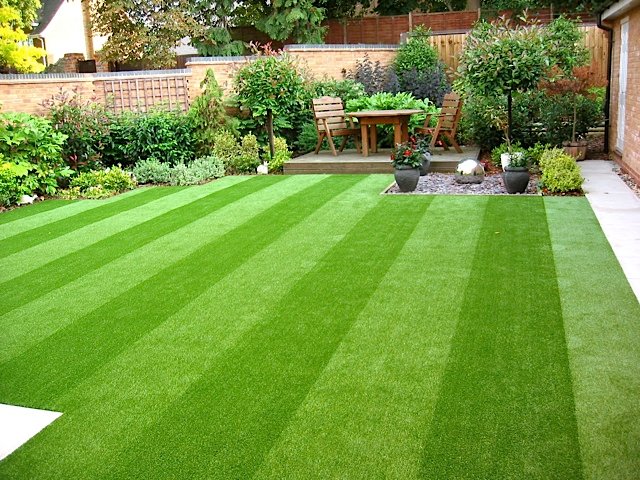
Artificial grass is often chosen for one simple reason: people want a garden that looks neat without the constant work that comes with a natural lawn. No mowing every weekend, no muddy patches after rain, and no frustration when the grass starts thinning in the areas that get used the most. But before making the switch, most homeowners end up asking the same question: how long does artificial grass last?
The honest answer is that it depends. In the UK, a well-made artificial lawn that has been installed properly can last many years. For most homes, it is reasonable to expect somewhere in the region of 10 to 15 years, and in some cases longer. The exact lifespan comes down to the quality of the product, how well the groundwork was done, how heavily the lawn is used, and whether it gets a bit of care now and then.
So while there is no single one-size-fits-all figure, artificial grass is generally a long-term investment rather than a short-term fix.
A realistic lifespan for UK gardens
For an average domestic garden in the UK, artificial grass often lasts well over a decade. A quieter garden that is used mainly for appearance or light foot traffic may stay in very good condition for longer than that. A busier family garden with children, pets, regular entertaining, and year-round use may show wear sooner, but still tends to hold up far better than natural grass in the same conditions.
That is one of the main reasons it appeals to so many homeowners. Real grass can struggle with shade, rain, foot traffic, pets, and seasonal wear. Artificial grass does not need the same constant recovery time. It keeps its shape and colour much more consistently, especially when the right product has been chosen from the start.
In UK conditions, where damp weather and muddy lawns are a familiar problem, that kind of durability has obvious appeal.
Why some artificial lawns last longer than others
Not all artificial grass is built to the same standard. Two lawns might look fairly similar at first glance, but over time the difference in quality becomes much more obvious.
The materials used in the fibres, the strength of the backing, and the overall build quality all affect how well the lawn stands up to daily life. Better products are made to cope with sunlight, changing weather, and regular use without fading too quickly or flattening beyond recovery.
This is why the cheapest option is not always the best value. A lower-cost lawn may save money upfront, but if it loses its look early or starts to wear unevenly, it may not feel like much of a bargain a few years down the line.
A good-quality product usually gives you a more natural appearance, a better feel underfoot, and a longer usable life.
Installation plays a bigger role than many people realise
Even the best artificial grass will not perform as well as it should if it has been laid on a poor base. Proper installation is one of the biggest factors in how long the lawn lasts.
The ground underneath needs to be prepared properly so the surface stays even, drains well, and remains stable over time. If that part is rushed or done badly, problems can start to show much sooner. You may notice uneven areas, poor drainage, seams becoming more visible, or edges starting to lift.
This is why the lifespan of artificial grass is never just about the grass itself. The foundation matters just as much. A strong installation gives the surface the support it needs to cope with daily wear and changing weather.
In the UK especially, where rain is frequent and drainage matters, good groundwork is essential.
Foot traffic makes a real difference
How the lawn is used will always affect how long it stays in top condition. A decorative front garden that rarely gets walked on will usually last longer than a busy back garden that sees football, pets, garden furniture, and constant movement.
That does not mean artificial grass cannot handle active use. It can. In fact, that is one of its strengths. But heavy wear will naturally shorten the lifespan compared with a lawn that is mostly there to look good.
The areas that tend to show wear first are usually the same ones that would suffer on a natural lawn: near doors, along pathways, under play equipment, or in spots where dogs tend to run or turn regularly.
If you know your garden is going to get a lot of use, it makes sense to choose a product designed for that level of traffic rather than focusing only on appearance.
Weather in the UK is not usually the problem
One concern some homeowners have is whether UK weather will damage artificial grass more quickly. In most cases, ordinary British weather is not the issue. Good-quality artificial grass is designed for outdoor use, and that includes coping with rain, cold temperatures, and changing seasons.
In fact, many people choose it because it handles the UK climate more gracefully than natural grass. Instead of turning into a muddy patch through autumn and winter, it continues to look tidy and usable.
That said, weather can still have an indirect effect if the installation is poor. Heavy rain will quickly expose drainage problems, and ongoing damp conditions can make debris build-up or moss more noticeable if the lawn is ignored completely. So while the climate itself is not usually what shortens the lifespan, the way the lawn has been installed and maintained in that climate certainly matters.
Pets and family use can shorten the lifespan a little
Artificial grass is a popular choice for households with children and dogs because it holds up better than real grass in busy gardens. But it is fair to say that heavy daily use from pets and family life will usually bring the expected lifespan closer to the middle of the range rather than the upper end.
Dogs can create repeated wear in the same areas, especially if they run the same route or use one section of the garden more than the rest. Children playing regularly can also flatten the pile more quickly than occasional foot traffic would. None of this means artificial grass is a poor choice for active homes. It usually means the opposite. It just means that the lawn will work hard for its keep.
If the product is suited to family use and cared for properly, it should still give many good years of performance.
This is often part of the decision-making process for homeowners comparing local options such as artificial grass Bournemouth, where long-term durability matters just as much as the look of the finished lawn.
Maintenance helps more than you might think
Artificial grass is often described as low maintenance, and that is true. It does not need mowing, feeding, or constant repair. But low maintenance is not the same as no maintenance.
A bit of simple care helps preserve its appearance and extend its life. Brushing the fibres occasionally can help them stay more upright. Removing leaves and debris stops organic matter building up on the surface. Rinsing the lawn now and then, especially in areas used by pets, helps keep it clean and fresh.
None of this is difficult or time consuming, but it does make a difference. A lawn that is ignored for years will usually show its age sooner than one that gets light, regular attention.
This is especially true in shaded or damp gardens, where leaves, moss, and general garden debris can gather more quickly.
Signs that artificial grass may be reaching the end of its life
Even a good lawn will not stay in perfect condition forever. Over time, there are a few signs that it may be nearing the point where repair or replacement is worth considering.
The fibres may stay flattened even after brushing. The colour may start to look dull or faded. Seams or edges may become more visible or begin to lift. Drainage may become less effective in certain spots. In pet gardens, odours that no longer clear properly can also be a sign that the surface is becoming harder to keep fresh.
Sometimes the answer is not full replacement. Minor repairs, professional cleaning, or attention to specific problem areas may be enough to improve the lawn again. But if the structure and appearance have both declined, replacement may eventually make more sense.
Is artificial grass worth it in the long run?
For many UK homeowners, yes. The upfront cost is higher than laying natural turf, but the longer lifespan and reduced upkeep often make it worthwhile over time.
You are not just paying for the material itself. You are also paying for fewer problems later on. Less mud, less wear, less effort, and a garden that stays looking presentable through seasons that are usually hard on natural grass. For busy households, that ongoing convenience has real value.
Whether it is worth it depends on what you want from your garden. If you want a perfectly natural lawn that changes with the seasons, real grass may still be your preference. But if you want a cleaner, more reliable, lower-maintenance space that lasts for years, artificial grass is often a very sensible choice.
Final thoughts
So, how long does artificial grass last in the UK? In most cases, a good-quality lawn that has been installed well and looked after properly should last around 10 to 15 years, and sometimes longer. The real answer depends on quality, installation, use, and care, but it is safe to say that artificial grass is built to be a long-term part of the garden rather than a temporary fix.
For homeowners who are tired of muddy winters, patchy summer lawns, and the ongoing effort of keeping real grass looking presentable, that kind of reliability is a big part of the appeal. When chosen carefully, artificial grass can give you many years of a tidy, usable outdoor space with far less work than a natural lawn demands.
