
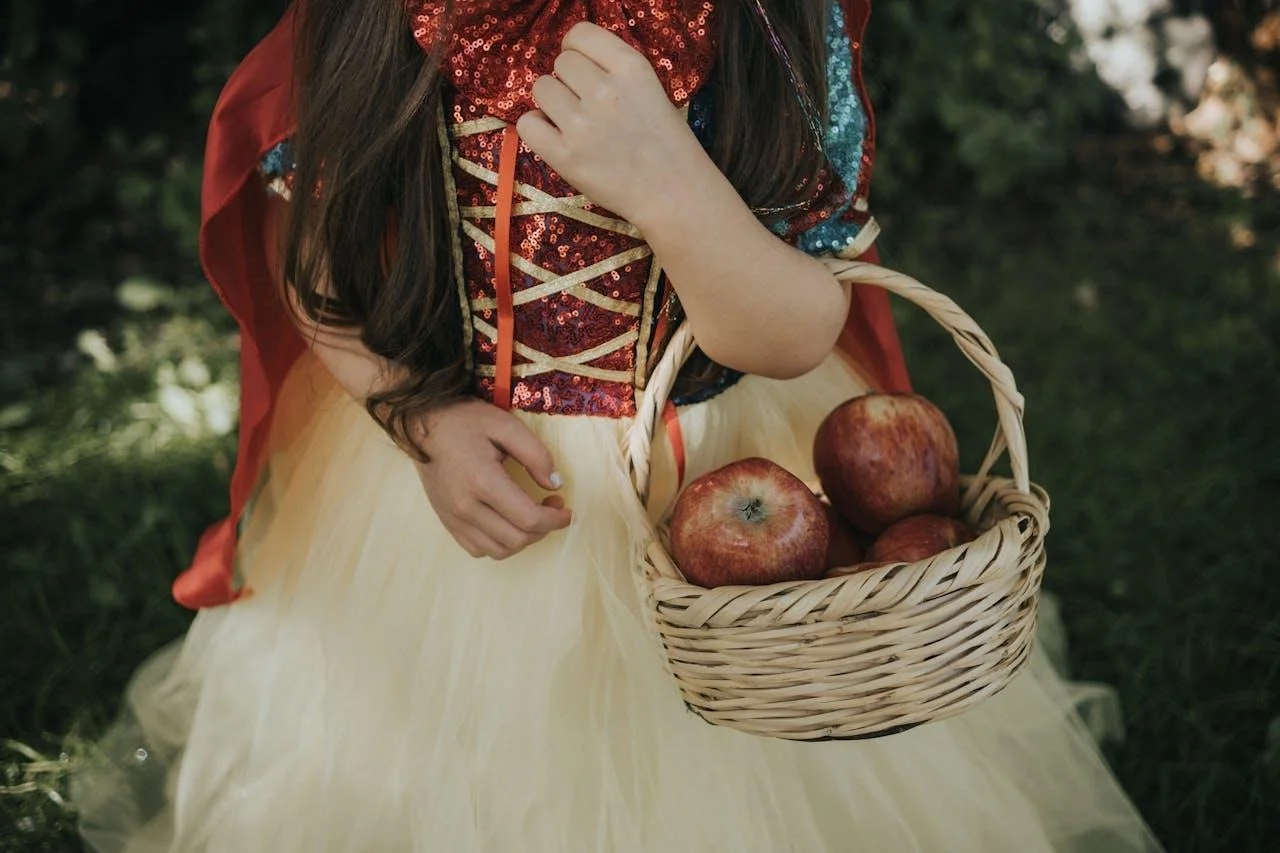
Pretending to be someone else is more than just fun for a child, it’s a window into their imagination and growth. When a child selects a character to play, it often reveals their thoughts, feelings, or aspirations.
Through dress-up and role-play, children explore who they are, test boundaries, and develop essential social and emotional skills. This natural, playful behavior offers parents an opportunity to gain insight into their child’s inner world simply by observing their choices and actions.
Exploring Empires of Magic and Fantasy
Many children gravitate immediately toward the sparkly and the magical. This choice often points to a vivid imagination and a strong desire for creative control. A child who insists on being a fairy or a queen is usually prioritizing storytelling above all else.
They are building complex worlds where they get to make the rules and determine the outcomes. When a child browses through a rack of girls fancy dress options and selects a wand or a crown, she is often looking for a tool to help her direct the narrative of her play.
This preference for fantasy figures can also indicate natural leadership qualities. Queens and princesses are figures of authority who command attention and respect. A child donning these robes might be practicing how to lead others or how to hold space in a room.
Stepping Into the Shoes of Heroes
Selecting a uniform often signals a practical nature or a deep admiration for community helpers. When a child dresses as a doctor, firefighter, or astronaut, they are showing an interest in how the world works and a desire to contribute to it.
This type of play builds empathy and social understanding as they act out scenarios of saving lives or fixing problems. You might notice that items from makers like Smiffys offer realistic details on these outfits, which helps children feel like they are truly part of that profession during their imaginative sessions.
Children who prefer these realistic roles are often observant and detail oriented. They likely pay close attention to the adults around them and want to mimic those behaviors to understand them better.
Showcasing a Passion for Movement
Some costumes act as direct extensions of what a child already loves to do with her body. A ballerina outfit or a football kit worn outside of practice reveals a strong identification with that activity. It becomes part of their identity rather than just a hobby.
This choice suggests a focused personality type that values skill and discipline. They are proud of what they can do physically and want to share that capability with the world even when they are not on the field or stage.
Connecting With the Natural World
Choosing to dress as a lion, cat, or dinosaur often indicates a high level of empathy and sensory curiosity. These children are exploring instincts and non-verbal communication. It allows them to be loud and wild or quiet and observant.
This affinity for creatures usually correlates with a nurturing spirit. They are trying to understand feelings and behaviors that are different from their own human experience. It is a creative way to explore different energy levels, from the ferocity of a tiger to the gentleness of a rabbit.
