
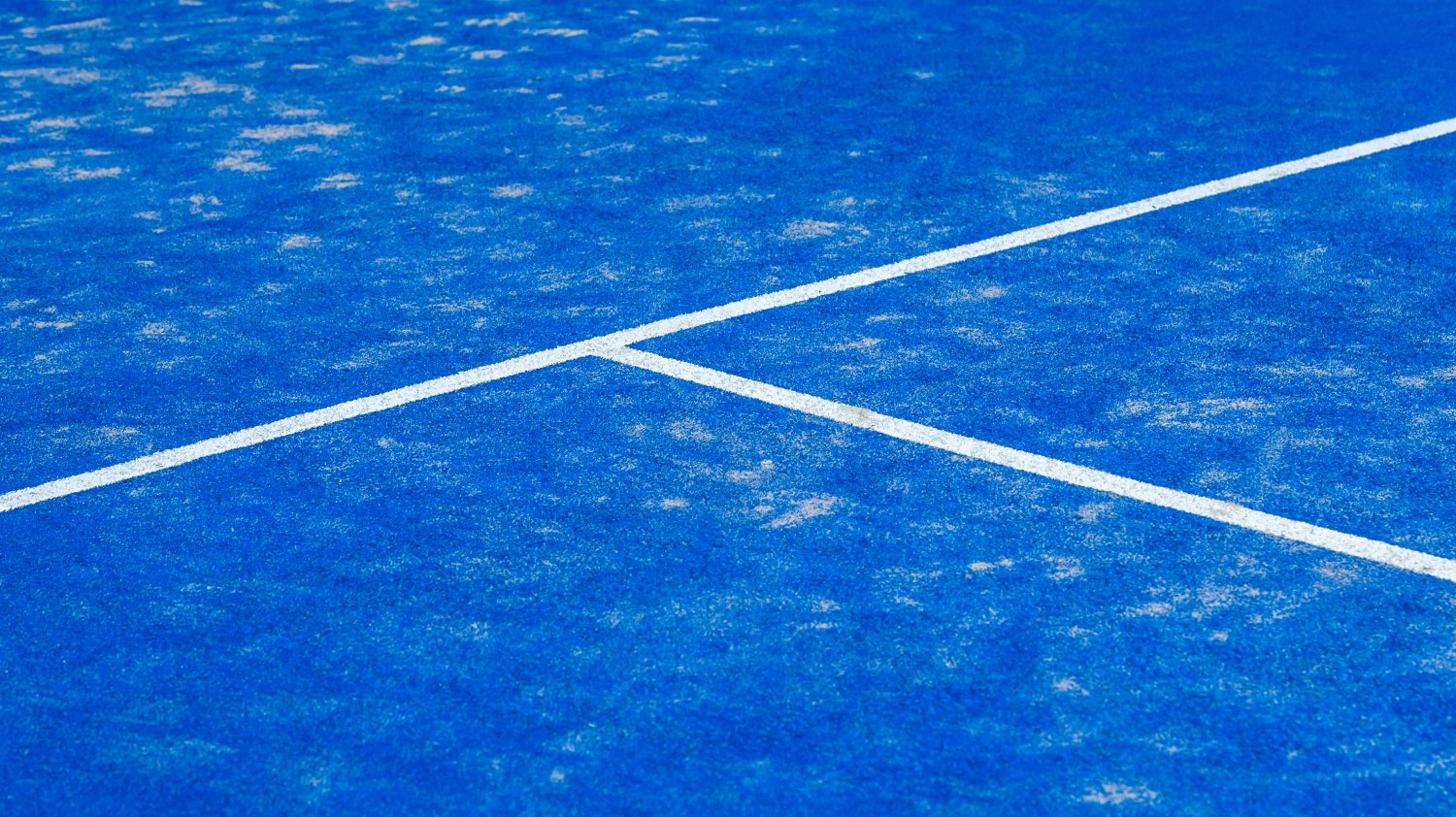
Walk past a leisure centre, a tennis club or even a converted warehouse in most British towns right now and there’s a fair chance you’ll hear it. That flat, hollow pop of a solid racket meeting a ball, followed by a lot of laughing. Padel has gone from a holiday curiosity to one of the fastest-growing sports in the country, and finding padel courts near me is now a search millions of curious people are typing in. The appeal is simple. It’s social, it’s easy to pick up, and it’s ridiculously good fun from the very first rally.
So what exactly is it, and why are so many people who swore off racket sports suddenly booking courts every week?
A Quick Look at What Padel Actually Is
Padel was invented in Acapulco, Mexico, in 1969, spread through Spain and Argentina, and has been creeping north ever since. Think of it as a cross between tennis and squash, played almost always as doubles.
The court is roughly a third the size of a tennis court and fully enclosed by glass walls and metal mesh. The ball can bounce off those walls after it hits the ground, which keeps rallies alive far longer than in tennis. Rackets are short, solid and stringless, with small holes drilled through the face. Serves are underarm.
That last point matters more than it sounds.
Because nobody has to master a big overhead serve, beginners can hold a decent rally within twenty minutes. Tennis can take months to feel that rewarding. Padel gets there in an afternoon.
Why Brits Have Fallen for It So Quickly
There’s no single reason. It’s more of a perfect storm, and anyone who’s watched a group of first-timers come off court grinning will recognise most of these:
- The learning curve is gentle. Scoring follows tennis rules, the court is small, and the walls forgive mistakes. People who haven’t picked up a racket since school can play properly in one session.
- It’s built for groups of four. Booking a court automatically means seeing three friends, which makes it as much a social plan as a workout.
- Age and fitness levels mix well. A fit twenty-something and a fifty-something with good hands can be evenly matched, because padel rewards positioning and patience more than raw power.
- Weather is less of a problem. A growing number of venues are indoors or covered, which is a big deal in a country where outdoor sport gets rained off half the year.
- Celebrity and athlete buzz. Footballers, tennis players and influencers have been posting padel clips for years, and that visibility pulled in a wave of new players.
The Lawn Tennis Association took over as the governing body for padel in Great Britain in 2019, and investment has followed. New clubs keep opening, and existing tennis clubs are converting underused courts to meet demand.
Finding Padel Courts Near Me Without the Headache
Here’s the catch with any sport that grows this fast. Courts pop up in odd places, under different booking apps, and half of them don’t show up properly on a standard map search. Some sit inside gyms. Some are attached to golf clubs. Some are brand new and haven’t been indexed anywhere yet.
That’s why a dedicated directory is far more useful than trawling through search results. UK-focused sites like LiveForPadel pull hundreds of UK venues into one searchable list, so you can type a postcode or a town and see what’s actually within reach. It saves a surprising amount of time, especially if you’re planning games in different cities or looking for a backup venue when your usual club is full.
When comparing venues, a few details are worth checking before you book:
Is it indoor or outdoor? Outdoor courts are often cheaper, but a wet British evening can ruin the bounce off the glass.
Do they hire rackets? Most venues do, and it’s worth trying a few before buying your own.
Are there beginner sessions or social mix-ins? Plenty of clubs run “Americano” style evenings where players rotate partners, which is the easiest way to meet people at your level if you can’t round up three mates.
What a First Session Usually Costs
Prices vary a lot depending on location and time of day. Court hire is normally split four ways, which makes it far cheaper per person than it first looks. Peak evening slots in big cities cost the most, while weekday daytime and outdoor courts tend to be the bargains. Racket hire is usually a few pounds on top, and balls are often included.
Getting the Most Out of Your First Few Games
The biggest mistake new players make? Hitting the ball too hard.
Padel punishes power. A smash that would win a point in tennis often flies off the back glass and gives your opponents an easy return. The best players are patient. They keep the ball low, aim for the feet of the people at the net, and wait for an opening.
A few habits help almost every beginner. Stay with your partner, moving side to side and forward and back as a unit, rather than splitting apart. Let the ball come off the back wall instead of panicking and lunging at it. It feels strange at first, but within a few games you’ll see how much extra time the glass gives you. And get to the net whenever you can, because that’s where most points are won.
Footwear matters too. Running shoes with thick, soft soles are risky on padel turf because the sand can make them slide. Proper padel or clay court tennis shoes with a herringbone sole give much better grip, and they’re worth the investment once you’re playing regularly.
Is Padel Here to Stay?
Fads come and go, and some people still wonder whether padel will fade the way other trendy fitness crazes have. The signs suggest otherwise. Clubs are reporting waiting lists for peak slots, schools and universities are adding courts, and the sport now has a proper competitive structure from local leagues up to the professional tour.
More importantly, the people who try it tend to keep playing. That’s the real test of any sport. Padel is easy enough to enjoy on day one and deep enough to keep improving for years, and that combination is rare.
If you’ve been meaning to give it a go, there’s never been a better moment. Grab three friends, search for padel courts near me in your area, book an hour, and see what all the noise is about. Fair warning, though. Most people book their second session before they’ve even left the car park.
READ ALSO: Martín Zubimendi: Biography, Career, Playing Style, Arsenal and Spain
