

Getting dressed in the morning should not feel like a compromise. Yet for most people, that is exactly what it becomes. You pick something clean, something that fits well enough and something that seems appropriate for whatever the day holds. It does the job. But there is a nagging feeling that it could be better without quite knowing where to start.
Here is the thing though. The distance between dressing adequately and dressing well is genuinely not that large. It rarely involves spending a lot more money or throwing out everything you own and starting again. More often it comes down to a handful of considered decisions made consistently over time. Small shifts in how you think about fabric, fit, colour and accessories that quietly add up to something that feels noticeably more intentional.
The most interesting development in personal style over the last decade or so is the collapse of the old tension between looking good and feeling comfortable. For a long time fashion asked people to choose. Uncomfortable shoes that looked sharp. Stiff fabrics that photographed beautifully but felt restrictive by midday. That trade-off has largely dissolved. The best dressed people today tend to wear things that genuinely work for their actual lives, and that is precisely what makes them look so effortless.
Start With What You Are Already Wearing
Before buying anything new, it is worth spending some time with what you already own. Pull things out. Try them on. Be honest about what actually fits, what you actually reach for and what has been quietly occupying space in your wardrobe for two years without being worn.
Most people discover two things when they do this. First, they own more than they thought. Second, a surprisingly large portion of it does not quite fit correctly. Shoulders that sit slightly wide. Trouser hems that bunch at the ankle. Shirts that are generous in the body but right everywhere else.
This is genuinely the most impactful place to start because fit does something to clothing that no amount of spending can replicate. A well-fitting basic piece in an ordinary fabric will consistently look better than an expensive item that sits incorrectly on your body. A tailor can fix most common fit issues for a modest amount, and the difference to how a piece reads after a simple alteration is often striking.
Fabric Is Doing More Work Than You Think
Once fit is sorted, fabric becomes the next thing worth paying attention to. Not in an obsessive or overly technical way, just in terms of understanding how different materials actually behave across a full day of wear.
Natural fabrics tend to reward you over time in a way that cheaper synthetic alternatives do not. Merino wool regulates temperature remarkably well, does not hold odour the way polyester does and looks better after repeated washing rather than worse. Linen has a relaxed texture that reads as genuinely stylish without any real effort and handles warmer months far more gracefully than most other options. Good cotton, properly woven, holds its shape and softens pleasantly with age.
These are not revolutionary discoveries. But choosing pieces in fabrics that actually work for your lifestyle rather than simply buying whatever is available at the right price tends to produce a wardrobe that feels more cohesive and more comfortable simultaneously.
Colour Does Not Have to Be Complicated
A lot of people approach colour in their wardrobe in one of two ways. Either they stick entirely to neutrals and find the result a little flat, or they introduce colours without much thought and end up with combinations that feel slightly off without knowing why.
The approach that tends to work best for everyday dressing is a neutral foundation with deliberate accents. Build your core pieces around a palette of three or four colours that genuinely sit well together. Navy, grey, white and camel, for instance, form a foundation where almost everything can be worn with almost everything else without much thought.
Within that foundation, one accent colour introduced at a time creates interest without disrupting the balance. A deep burgundy scarf against a grey and navy outfit. Tan footwear against black and white. A warm tortoiseshell frame on your designer sunglasses softening the overall tone of a cooler palette. None of these decisions are dramatic, but each one moves an outfit from simply assembled to genuinely considered.
Sunglasses Are More Versatile Than Most People Use Them
Most people treat sunglasses as a summer item. They live at the bottom of a bag between June and August and rarely see the light of day otherwise. That is a significant underuse of what is actually one of the most versatile accessories in any wardrobe.
A pair of designer sunglasses worn consistently across the year, on bright winter days, during spring and autumn commutes, on overcast days that are still lighter than they appear, becomes part of how you look in the same way a watch or a quality bag does. People begin to associate the frames with you specifically. That kind of visual consistency is something that many well-dressed people have but rarely talk about deliberately building.
The practical side is just as relevant. UV exposure does not disappear in winter. Eyes benefit from protection in cold bright weather just as much as they do in summer. And for anyone who spends time near water, on the road or at altitude, polarised sunglasses offer something that standard tinted lenses genuinely cannot match. Polarised lenses cut the reflected glare from flat surfaces in a way that makes a real difference to visual comfort and clarity, not just aesthetics.
Choosing a pair that genuinely suits your face shape matters more than the price point or the logo. A frame that complements your features will look better than an expensive pair that works against your proportions every single time. Round faces tend to suit more angular frames. Stronger jaw lines often look better with softer shapes. Oval faces have the flexibility to work with almost anything. Once you find a shape that genuinely works for you, wearing sunglasses year round becomes the easiest style decision you make.
Footwear Anchors Everything
There is a reason shoes get so much attention in style writing. They ground the visual weight of an entire outfit and communicate something about the level of care applied to everything else. Scuffed, worn down or contextually mismatched footwear undermines a well-chosen outfit in a way that is difficult to recover from regardless of what else is going on above the ankle.
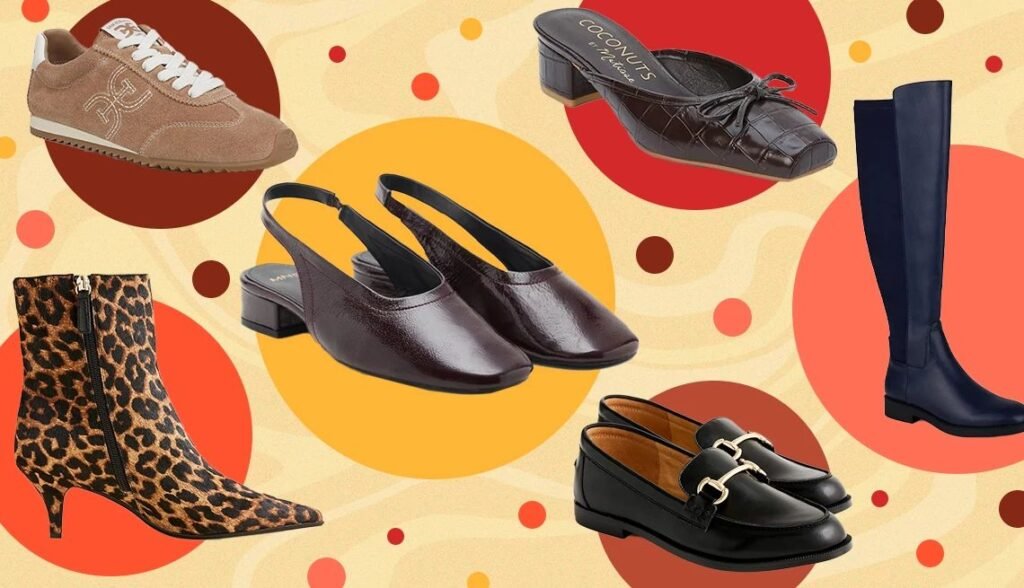
The most functional approach is not owning many shoes but owning the right ones. A clean leather or leather-look trainer covers casual settings without looking like you gave up. A simple leather shoe or loafer handles smart casual and most professional environments. A quality boot in suede or leather sits between the two and works across most of the year. Three pairs chosen well and maintained properly will serve you better than ten pairs bought without much thought.
Maintenance is the part most people skip and it is genuinely where the difference is made. Shoes that are cleaned regularly, stored on a shoe tree when not being worn and resoled when the heel starts to wear look substantially better and last considerably longer than the same shoes treated as disposable.
Layering Without Overcomplicating It
Layering is one of those style concepts that sounds more complex than it actually is in practice. The goal is not to add volume or visual noise. It is to create combinations that can adapt as the day changes without the whole look falling apart when you remove a layer.
A merino crewneck over a simple collar shirt. A tailored overshirt worn open over a clean t-shirt. A structured coat that transitions comfortably between casual and smart combinations. These pieces earn their place by making the rest of your wardrobe more flexible rather than simply adding more clothing to an already full rail.
The most effective layers tend to differ slightly in weight and texture from the pieces they sit alongside. A smooth cotton shirt under a slightly textured knit under a clean structured coat creates depth and visual interest without requiring anything bold or attention-seeking to hold it together.
The Details That Pull It All Together
Beyond the bigger pieces, the finishing details are what separate an outfit that looks considered from one that simply looks acceptable. A fragrance worn consistently. Hair that is styled rather than just dried. A belt that actually matches your footwear. A bag chosen to complement the overall look rather than simply carry your things.
These details do not individually transform anything. But together they create the impression of someone who pays attention without appearing to try too hard. That balance between looking genuinely well put together and looking naturally at ease is what most people are actually responding to when they describe someone as having good style.
Final Thoughts
Upgrading your everyday style is far less about dramatic change than most people assume going in. It is about developing better habits around the decisions you are already making. Choosing fabric that works for your actual lifestyle. Getting things altered when the fit is almost right but not quite. Wearing your designer sunglasses through winter as well as summer. Maintaining your footwear properly. Introducing a single accent colour rather than several competing ones.
None of these are revelations. But applied consistently over time they produce a version of everyday dressing that feels genuinely good rather than just adequate. And that difference, between dressing because you have to and dressing in a way that actually suits you, is worth more than any single purchase you could make.
