
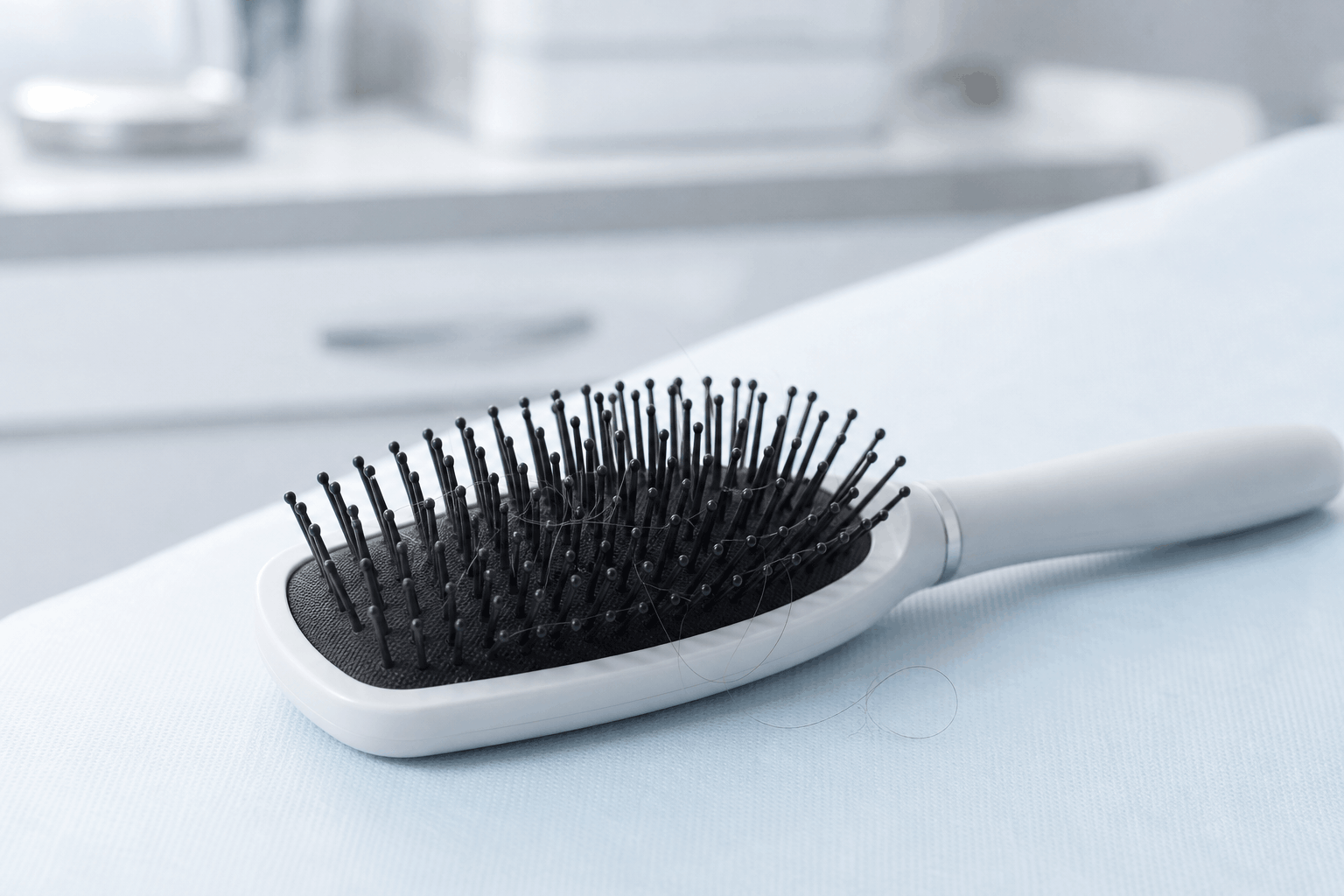
Female hair loss affects roughly 40% of women by age 40, yet most women describe discovering it in complete isolation, from a clump on the shower drain to more hair than usual caught in the brush.
Finding honest, practical information about what to do about the thinning hair women face is harder than it should be, partly because the conversation itself is so absent. This article covers five things women experiencing hair loss consistently wish they had known sooner.
1. Why High-Quality Wigs Offer Immediate Control
Society often frames full hair replacement as a final option after exhausting every medical route. A growing number of women reject this timeline and choose premium alternatives early to retain absolute authority over their appearance while navigating complex treatments. Regrowing hair takes significant time, and a well-made alternative removes that daily waiting game instantly.
The most realistic options rely on specific construction details rather than marketing claims. Pieces crafted from 100% European human hair provide the natural weight and movement required to mirror reality.
Hand-tied construction creates an undetectable hairline that holds up under direct lighting or unpredictable winds. The craftsmanship found in Daniel Alain’s luxury silky human hair wig demonstrates this standard by using carefully selected materials meant for daily heat styling and professional colouring.
Transitioning to premium alternatives hands visual control back to the wearer. Choosing luxury wigs for hair loss stops the stressful daily mirror checks and lets you dictate exactly how you present yourself to the world. Many individuals find immense relief in making this proactive decision much earlier than doctors typically suggest.
2. What Triggers Female Hair Loss Underneath
Understanding female hair loss causes in the UK and globally remains the crucial first step before purchasing any specialised treatments. Knowing the exact trigger dictates both the likely severity and the smartest medical response. Guessing the cause usually wastes significant money on formulas completely mismatched to the distinct biological problem.
Hormonal shifts like postpartum shedding, menopause, thyroid dysfunction, and PCOS account for a massive share of clinical cases. This makes exploring hair loss in women hormones UK a highly relevant starting point for anyone noticing sudden volume changes. Nutritional gaps such as low ferritin or vitamin D drive an entirely separate category of shedding.
Androgenetic alopecia acts as another primary trigger that increases noticeably with age. Studies show that 12% of women first develop clinically detectable FPHL by age 29 years, while over 50% experience some extent of the condition by age 79. The prevalence of FPHL reaches 52.2% among postmenopausal women between 50 and 65 years old.
Other physical triggers require totally different medical interventions. Telogen effluvium forces follicles into a resting phase after severe physical or emotional stress. Professional assessment brings diagnostic clarity to these situations rather than relying on expensive guesswork.
| Key Insight: Identifying the specific cause of hair loss is critical before spending on treatments. A diagnosis from a GP or trichologist ensures your efforts target the actual driver, whether hormonal, nutritional, or stress-related. |
3. Why Emotional Distress Goes Beyond Vanity
Published clinical studies consistently link female alopecia to elevated anxiety scores and a measurably diminished overall quality of life. Hair carries deep cultural meaning as a visible marker of personal identity and physical health.
Many individuals expend massive energy feeling embarrassed about their reaction, assuming stoic indifference is the only mature response. Acknowledging this profound psychological impact makes clear-headed medical decisions easier to navigate.
Because thinning directly affects social behaviour and professional confidence, that emotional reaction requires serious clinical validation rather than dismissal.
4. The Truth About Retail Hair Products
The retail marketplace bursts with topical treatments, but robust clinical evidence remains remarkably scarce for most options.
Minoxidil serves as the only FDA-approved topical solution for specific genetic shedding, yet studies show that it is effective in about 40% of women who have female pattern hair loss. This medication generally acts better as a daily preservation agent to slow further shedding rather than a miracle generator for completely new growth.
Biotin supplements flood pharmacy shelves despite only offering measurable benefits to individuals with a confirmed laboratory deficiency. Most over-the-counter vitamin blends lack verifiable evidence for women dealing with alternative environmental triggers.
Focused clinical formulas designed strictly to preserve existing follicles represent a much safer investment than unproven thickening claims.
| Important: Most hair growth supplements lack clinical evidence for women without confirmed deficiencies. Minoxidil works primarily for androgenetic alopecia; it slows loss, not regrows. Match treatment to diagnosed cause. |
5. Exploring Wide Options For Hair Management
Medical routes for navigating hair shedding include targeted blood panels, customised prescription applications, and advanced PRP therapy coordinated by trained specialists. Early-stage lifestyle adjustments often feature tailored dietary supplementation and dedicated stress reduction strategies designed to physically protect active follicles.
Cosmetic styling techniques offer immediate, reversible relief for mild diffuse thinning during complex medical treatments. Volumising cuts, tinted scalp-camouflaging powders, and strategic partings work exceptionally well before progressing to localised integration systems.
The Path Forward
The most effective initial action for anyone navigating sudden shedding involves booking a specialist consultation without delay. An accurate clinical diagnosis builds the necessary foundation for every subsequent choice, whether that involves prescribing topical preservation routines or securing a custom hair piece.
Furthermore, tackling the physical problem early consistently outperforms waiting, since retaining active follicles requires far less medical intervention than attempting to reactivate completely dormant ones.
| Author Profile: Daniel Alain is the leading manufacturer and supplier of premium European human hair wigs and toppers for women experiencing hair loss. |
