
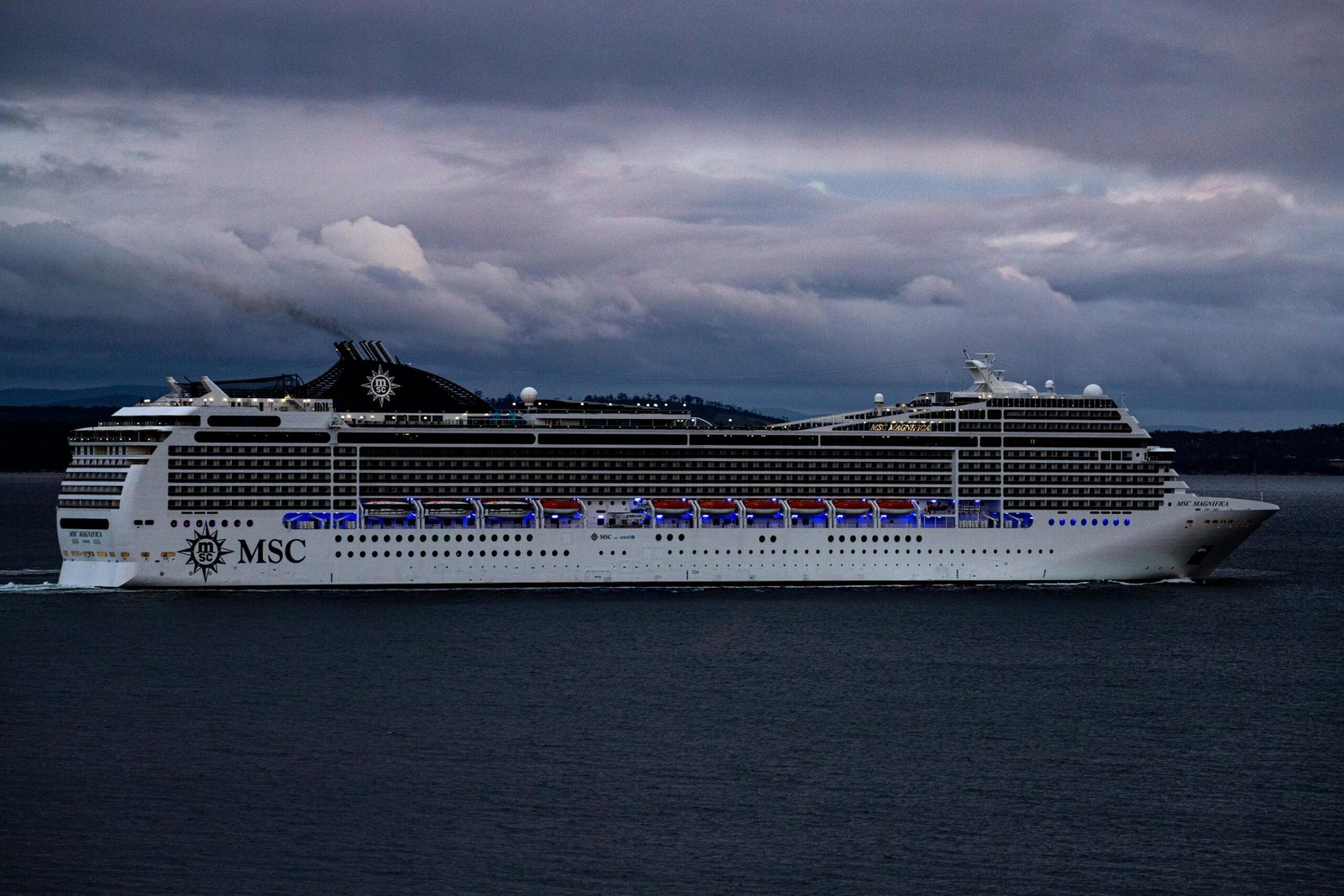
Cruising is one of those holidays that suits almost everyone. The idea of waking up somewhere new each morning, with your accommodation and meals already sorted, takes a lot of the stress out of travel. Whether you’ve sailed dozens of times or you’re still weighing up whether it’s for you, timing your trip well can make a real difference. And if you’re the sort of person who doesn’t plan too far ahead, even last minute cruise deals can land you somewhere brilliant, you just need to know what each season has to offer.
Winter: Sun, Sand and Escaping the Cold
Let’s be honest, a British winter is rarely something to celebrate. So it makes sense that so many people use this time of year to head somewhere warmer. The Caribbean is probably the most popular choice, and for good reason. Islands like Jamaica, Saint Lucia and the Bahamas offer calm seas, reliable sunshine, and the kind of beaches that look almost too good to be real. The Canary Islands are another solid option if you don’t want to travel quite as far, with mild temperatures and a relaxed pace that feels a world away from grey January mornings back home.
Winter cruises also tend to coincide with some wonderful local celebrations. Caribbean Carnival events and festive traditions in port towns can add a real cultural dimension to the trip, music, markets, street food, and colour you won’t find in a guidebook. There’s also the bonus of smaller crowds. Summer hotspots feel entirely different in January, and you’ll often find shore visits far more enjoyable without the usual queues.
Spring: Mild Weather and a Bit of Life Returning
Spring is arguably one of the finest times to cruise, particularly if the Mediterranean or northern Europe is on your radar. March through to May brings comfortable temperatures, longer days, and that pleasant sense of places waking up after winter. You can wander through Greek ruins, mosey along the Amalfi Coast, or explore a Spanish market town without sweltering in the heat or fighting through coach parties.
Culturally, spring is fascinating too. Easter is celebrated with real passion across southern Europe, and experiencing those local traditions in person, rather than just reading about them, is genuinely memorable. Head further north and you’ll find Scandinavia coming into its own, with daylight hours stretching and the fjords looking spectacular. Temperatures aren’t tropical, but the scenery more than compensates, and the quieter ports make for a much more authentic experience.
Summer: Long Days and Plenty Going On
Summer cruising is the obvious choice for families and those who simply want warmth and energy. In the Mediterranean, cities like Barcelona, Venice and Dubrovnik are buzzing with life, street performers, open-air markets, late evening dining. There’s a pace to summer travel that suits people who want to feel part of something, rather than passing through.
Further north, summer is genuinely the best time to explore the Baltic or Scandinavia. Countries like Sweden, Finland and Norway are transformed during these months. Daylight can stretch late into the evening, which means far more time for excursions, and the landscapes, forests, lakes, coastal inlets, are at their absolute best. Yes, it’s the busiest season, and yes, some ports will be heaving, but the atmosphere is infectious and there’s rarely a shortage of things to do.
Alaska is another summer standout. Glaciers, wildlife, dramatic coastline, it’s the kind of place that stays with you long after you’ve unpacked.
Autumn: Quieter, Prettier and Underrated
Autumn doesn’t get nearly enough credit as a cruising season. September and October in Europe are often glorious, warm enough to be comfortable, cool enough to actually enjoy walking around, and noticeably quieter than the summer peak. The changing leaves along the Rhine or the Danube add something genuinely beautiful to river and coastal routes, with vineyards turning gold and forested hillsides shifting through amber and rust.
It’s also harvest season, which means food and drink take centre stage in a very pleasant way. French wine festivals, Italian market events, German harvest celebrations, autumn ports across Europe offer seasonal experiences that feel rooted in local life rather than put on for tourists. You get a different relationship with these places when they’re not overwhelmed with visitors, and that often makes the trip far more rewarding.
A Few Practical Thoughts
Regardless of when you travel, a bit of sensible preparation goes a long way. Think about the weather at each port, not just the general region, temperatures can vary quite a bit across a single itinerary. Pack layers even in summer if you’re heading to the Baltic or Alaska. Good walking shoes are almost always worth the suitcase space.
It’s also worth staying flexible where you can. Cruise lines frequently offer last minute cruise deals that genuinely represent good value, and if you’re not tied to specific dates, you can occasionally find yourself sailing somewhere wonderful for considerably less than the standard fare. It’s not a strategy for everyone, but if spontaneity appeals to you, it’s worth having alerts set up.
Finding the Right Season for You
Ultimately, the best time to cruise depends on what you’re actually after. Winter is hard to beat for sunshine and switching off completely. Spring offers culture, mild weather, and a sense of things blooming, literally and figuratively. Summer delivers energy, long daylight hours, and the full spectacle of popular destinations. Autumn brings a quieter, more reflective kind of travel, with food, colour and atmosphere to spare.
Each season gives you a genuinely different version of the same destinations. That’s one of the things that makes cruising so endlessly repeatable, go back to the same waters at a different time of year, and it can feel like an entirely new trip.
