
Healthcare administration is one of the most document-intensive, compliance-sensitive, and time-consuming operational environments in any industry. The administrative burden on clinical staff has grown steadily for years, driven by increasing documentation requirements, insurance authorization processes, and regulatory reporting obligations. The result is a situation that most healthcare workers know intimately: a significant portion of the clinical day goes to administrative tasks that do not directly involve patient care, and the quality of both the administration and the care suffers because the same people are trying to do both simultaneously. Small clinics and independent practices feel this pressure most acutely because they do not have dedicated administrative departments to absorb the load. Every hour a clinician spends on paperwork is an hour not spent with patients.
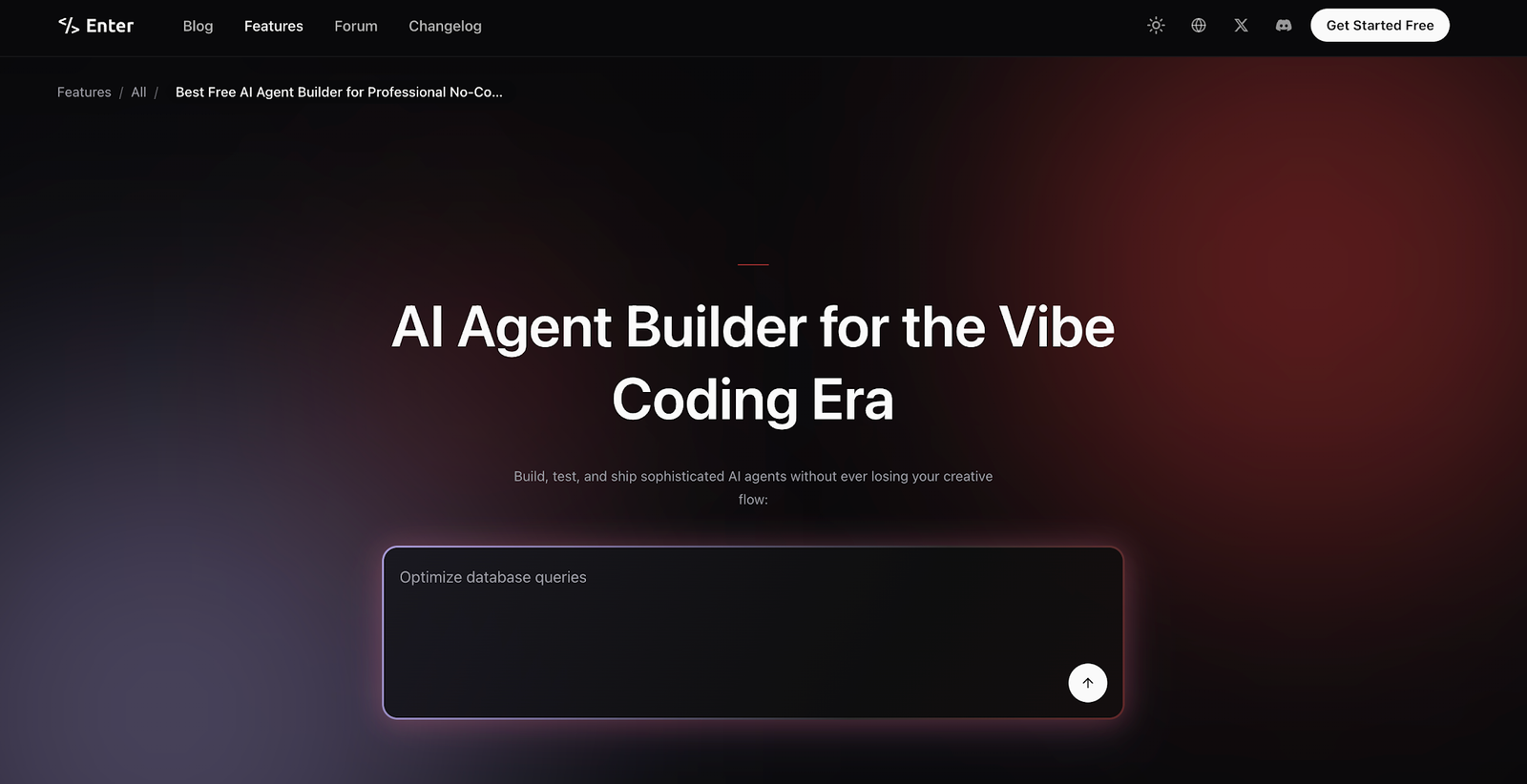
Platforms like Enter Pro make this kind of build genuinely accessible, and the AI agent builder at the core of it is where most of this automation starts taking shape. Enter Pro is a development environment designed to make building custom software and intelligent automation accessible to professionals who are not programmers. The platform handles the technical complexity of building and deploying these systems, from backend configuration to secure data handling and deployment, leaving the practice to focus on designing workflows that solve real problems. For a small clinic where every staff hour is accounted for and administrative overhead directly reduces the number of patients who can be seen, that capability has direct implications for both revenue and patient experience.
The specific administrative tasks that consume the most time in a small healthcare practice tend to be highly structured and highly repeatable: appointment reminders, insurance eligibility checks, referral follow-ups, prescription refill requests, and post-visit documentation. Each of these follows a defined process that, in principle, does not require a human to perform from scratch every time. The challenge has always been that the tools to automate them required technical resources that small practices do not typically have.
Appointment Management and Reminder Systems
No-show rates in healthcare practices represent a significant revenue loss and a scheduling inefficiency that compounds throughout the day. Every missed appointment creates a gap that was not filled by another patient who could have used the slot. Reducing no-show rates through consistent, well-timed reminder communications is one of the highest-return administrative investments a practice can make.
A reminder agent built for a specific practice can follow the practice’s own communication preferences: the timing of reminders, the channels used, the specific information included based on the appointment type, and the follow-up when a patient does not confirm. This is not a generic reminder system with the practice’s name on it. It is a system built around how this practice communicates with its patient population.
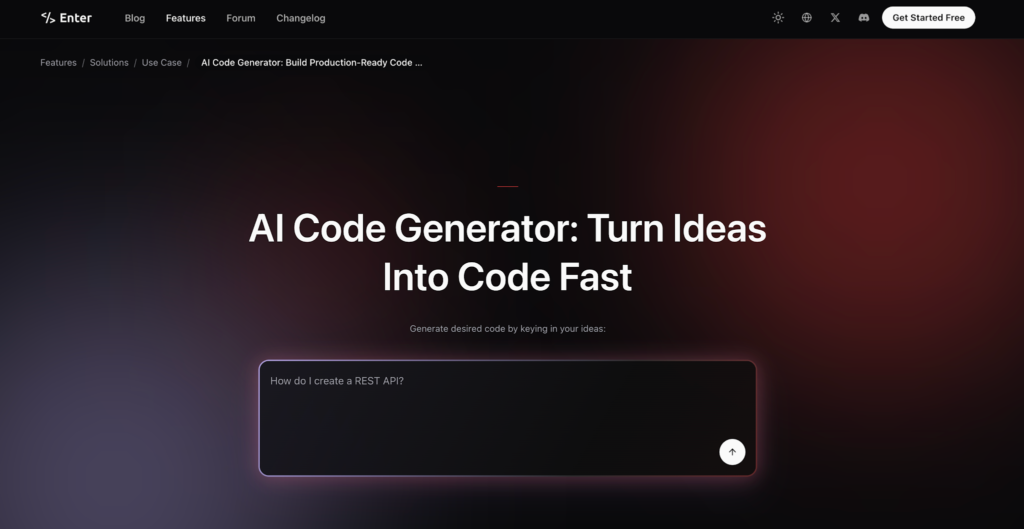
Using AI code generation through Enter Pro, the practice can build the specific logic that makes the reminder system accurate for their workflow. The appointment types that require different reminder content. The patients who prefer text versus email. The confirmation tracking that tells the front desk which appointments still need follow-up. Enter Pro handles the technical infrastructure, so the practice manager is designing a communication system rather than configuring software.
Insurance Verification and Authorization
Insurance verification before a scheduled appointment is one of the most time-consuming and error-prone administrative tasks in a clinical setting. A staff member checks each patient’s insurance eligibility, confirms coverage for the planned services, identifies any authorization requirements, and flags anything that needs to be resolved before the appointment. Done manually for every patient on every day’s schedule, this process consumes hours that could be used more productively.
An automated verification workflow can be built to pull scheduled appointments, initiate verification checks through the practice’s existing systems, flag patients whose insurance has changed or whose authorization is pending, and deliver a daily summary to the front desk that prioritizes the situations requiring human attention. The staff member is not checking every patient. They are reviewing the exceptions that the system has identified.
Post-Visit Documentation Support
Post-visit documentation is the part of clinical administration that most directly competes with patient care time. Notes that need to be completed, referrals that need to be sent, follow-up instructions that need to be communicated, and coding that needs to be applied before the encounter is complete. Each of these follows a structured process that, with the right automated support, can be significantly faster than the fully manual approach.
An agent that generates a structured documentation template from the appointment type and the patient’s relevant history does not replace clinical judgment. It reduces the time spent on the parts of documentation that are structural and repetitive, leaving the clinician to focus on the parts that genuinely require their expertise: the clinical findings, the treatment decisions, and the follow-up plan.
Referral Tracking and Follow-Up
Referral follow-up is an area where administrative gaps have direct implications for patient care. A referral sent but not confirmed received, an appointment not scheduled, a specialist report not returned: each of these represents a care coordination failure that a well-designed tracking system can prevent. Manual referral tracking is time-consuming and inconsistent. An automated tracking agent can monitor the status of each referral and generate follow-up actions when expected responses do not arrive within the defined timeframe.
Conclusion
Small healthcare practices that build administrative automation are not replacing the human judgment that clinical and administrative work requires. They are removing the structural overhead that surrounds that judgment, the queuing, the reminding, the tracking, the compiling, and giving it back as time for the work that actually requires a person. In a clinical environment where every hour of staff time has a cost and a value, that reallocation matters enormously. The tools to build this kind of automation are accessible to practice managers without technical backgrounds in 2026, and the practices that use them are delivering better administrative experiences with the same or fewer staff resources.
