
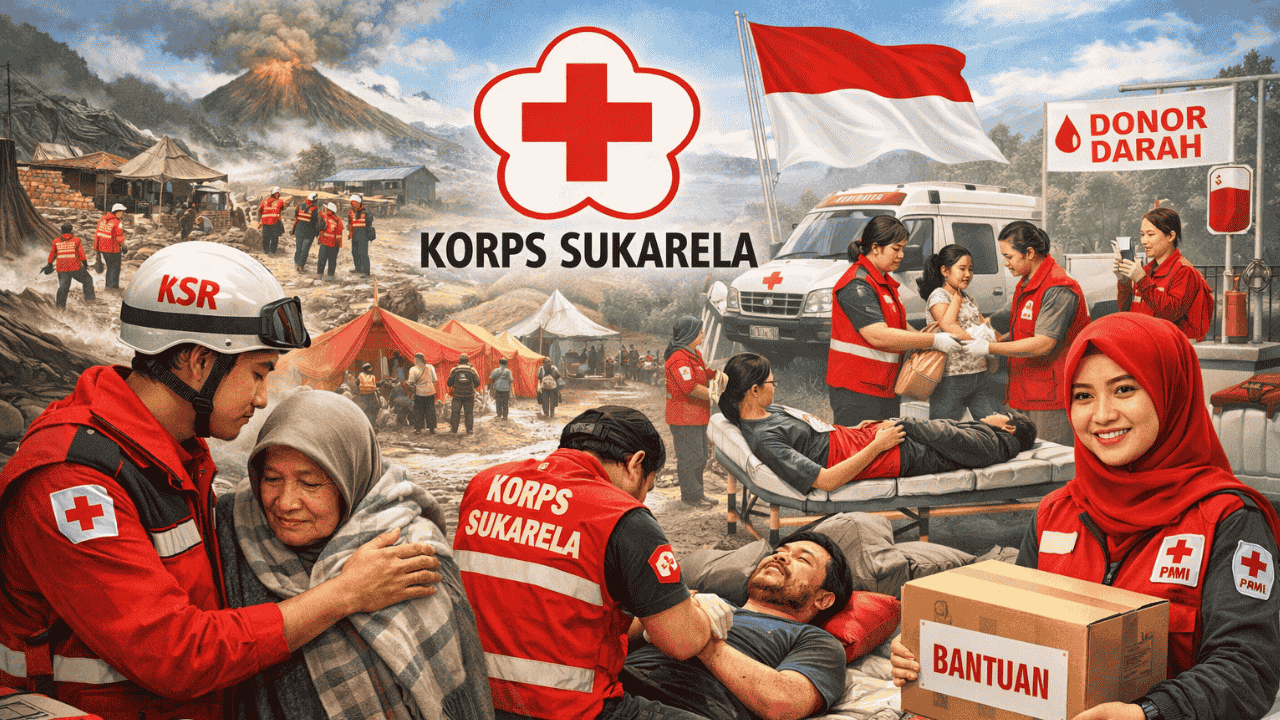
In humanitarian efforts, volunteers play a crucial role in supporting communities and saving lives. One of the most recognized volunteer organizations in Southeast Asia, particularly in Indonesia, is the Korps Sukarela. This term is often associated with disaster response, health services, and community support initiatives. Despite its importance, many people are still unfamiliar with what korps sukarela actually means, how it operates, and how individuals can become part of it. This article provides a comprehensive guide to understanding korps sukarela, including its definition, roles, structure, and benefits.
What Is Korps Sukarela?
Korps sukarela translates to “volunteer corps” in English. It refers to an organized group of individuals who voluntarily dedicate their time, skills, and energy to humanitarian activities without expecting financial compensation.
In Indonesia, the term korps sukarela is commonly used for KSR (Korps Sukarela) under the Indonesian Red Cross (Palang Merah Indonesia – PMI). These volunteer units are trained to assist in emergency situations, health services, and community development programs.
In simple terms, a korps sukarela is a structured, trained group of volunteers committed to helping others.
History and Development of Korps Sukarela
The concept of korps sukarela developed alongside the growing need for organized volunteer support, especially in disaster-prone regions like Indonesia. PMI established KSR units to ensure that volunteers are not only willing but also properly trained to handle real-life emergencies.
Over time, korps sukarela expanded its scope beyond disaster response. Today, it actively contributes to:
- Public health campaigns
- Blood donation drives
- Community education programs
- Youth and student volunteer initiatives
Many universities now host KSR units, encouraging students to engage in humanitarian work early in their lives.
Roles and Responsibilities of Korps Sukarela
Korps sukarela plays a vital role in various aspects of community service. Below are the key responsibilities:
Disaster Response and Relief
One of the primary roles of korps sukarela is responding to natural disasters such as earthquakes, floods, and volcanic eruptions. Volunteers are trained to:
- Evacuate victims safely
- Provide emergency assistance
- Distribute relief supplies
- Set up temporary shelters
Their quick response often helps save lives and reduce suffering
Basic Health Services
Members of the korps sukarela receive essential medical training. They assist in:
- First aid treatment
- Basic health check-ups
- Supporting medical teams during emergencies
They also help in promoting preventive healthcare practices in communities.
Blood Donation Campaigns
Korps sukarela actively supports blood donation programs by:
- Organizing donation events
- Raising awareness about the significance of donating blood
- Assisting donors during the process
This contribution is critical for maintaining the blood supply in hospitals.
Community Education and Awareness
Education is another key responsibility. Volunteers conduct awareness programs on:
- Disaster preparedness
- Hygiene and sanitation
- Healthy lifestyles
By educating communities, korps sukarela helps reduce risks and improve overall well-being.
Organizational Structure of Korps Sukarela
To function effectively, Korps Sukarela operates with a structured system. Typically, it includes:
- Chairperson
- Vice Chairperson
- Secretary
- Treasurer
- Specialized divisions (health, logistics, training, public relations, etc.)
This structure ensures smooth coordination, especially during emergencies where quick decision-making is essential.
How to Join Korps Sukarela
If you are interested in volunteering, joining the Korps Sukarela is a meaningful way to get involved. Here are the general requirements and process:
Requirements:
- Minimum age (usually 18 years or above)
- Physically and mentally fit
- Strong humanitarian spirit
- Willingness to participate in training
Steps to Join:
- Register at your local PMI office or KSR unit
- Complete administrative requirements
- Attend basic training sessions
- Pass evaluations to become an official member
Training is an important part of the process, ensuring that volunteers are capable and prepared.
Benefits of Joining Korps Sukarela
Joining the Korps Sukarela offers numerous benefits, both personal and professional.
Personal Development
Volunteers gain valuable skills such as:
- Leadership
- Communication
- Problem-solving
- Crisis management
These skills are useful in both personal and career growth.
Real-Life Experience
Participating in field activities provides hands-on experience that cannot be gained in the classroom.
Networking Opportunities
Korps sukarela connects individuals with people from diverse backgrounds, including professionals in healthcare and disaster management.
Emotional Fulfillment
Helping others provides a deep sense of satisfaction and purpose. Many volunteers describe it as a life-changing experience.
Importance of Korps Sukarela in Disaster-Prone Countries
Countries like Indonesia frequently face natural disasters. In such situations, korps sukarela becomes a critical support system.
Their contributions include:
- Rapid emergency response
- Managing evacuation centers
- Providing psychological support to victims
Without volunteer corps like KSR, disaster management efforts would be significantly weaker.
Differences Between Korps Sukarela and Other Volunteer Organizations
While many volunteer groups exist, Korps Sukarela stands out due to:
- Its affiliation with PMI (a recognized humanitarian organization)
- Standardized training programs
- Focus on health and emergency response
This makes the korps sukarela more structured and reliable during crises.
Challenges Faced by Korps Sukarela
Despite its impact, korps sukarela faces several challenges:
- Limited funding and resources
- High-risk working environments
- Lack of public awareness
- Volunteer burnout
Addressing these challenges requires support from governments, organizations, and communities.
The Future of Korps Sukarela
The future of korps sukarela looks promising, especially as awareness of social responsibility grows. also playing a role in improving operations through:
- Digital coordination tools
- Online training programs
- Social media for awareness campaigns
Younger generations are becoming more interested in volunteering, which will strengthen korps sukarela in the years to come.
Conclusion
Korps Sukarela is a vital pillar of humanitarian work, particularly in Indonesia and the surrounding regions. From disaster response to health services and community education, its contributions are invaluable.
Joining Korps Sukarela is not just about volunteering—it is about becoming part of a movement that creates positive change in society. It offers personal growth, meaningful experiences, and the opportunity to make a real difference.
If you are passionate about helping others, Korps Sukarela is an excellent place to start your journey.
FAQ About Korps Sukarela
What is korps sukarela?
Korps sukarela is a volunteer corps that engages in humanitarian activities, often under the auspices of organizations such as the Indonesian Red Cross.
Is the Korps Sukarela paid?
No, it is a voluntary organization, and members are not paid.
Who can join the Korps Sukarela?
Anyone who meets the requirements and has a strong desire to help others can join.
What skills do you gain from Korps Sukarela?
You can develop leadership, teamwork, medical, and crisis management skills.
