
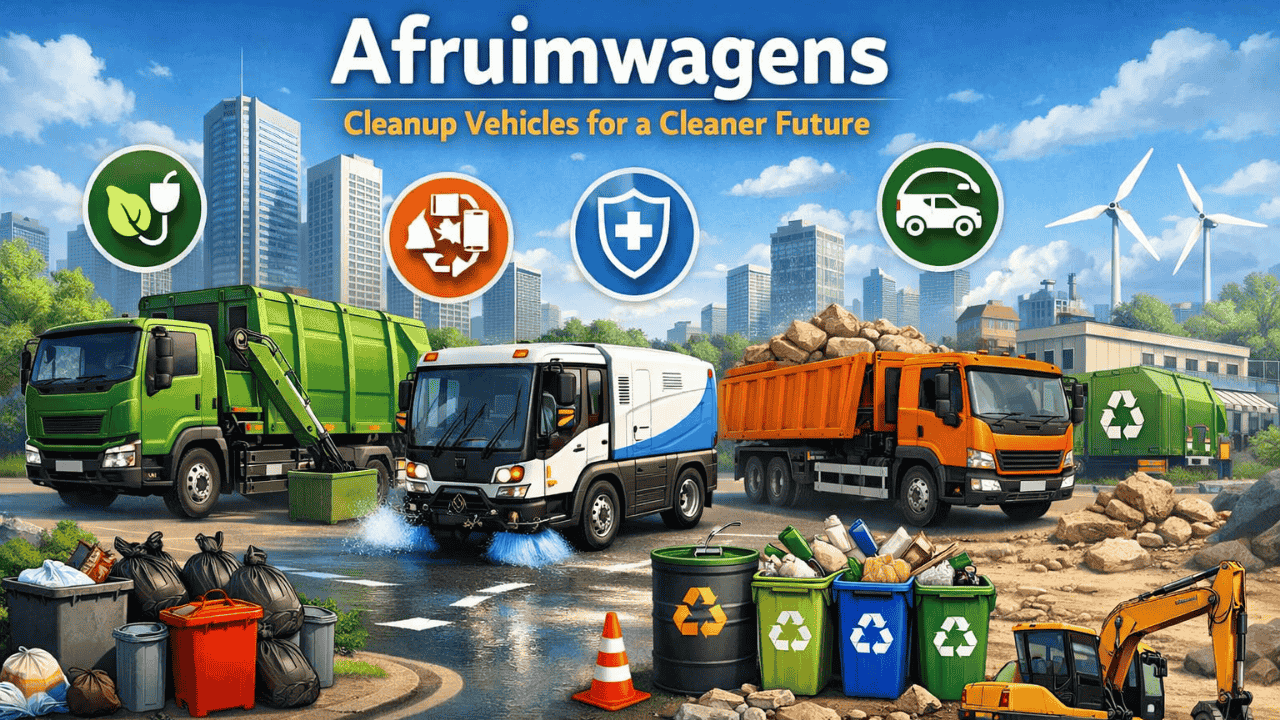
In today’s fast-paced, urbanized world, efficient waste management and environmental cleanliness have become more important than ever. One term gaining attention in the industrial and municipal sectors is afruimwagens. While it may sound unfamiliar to many, afruimwagens play a critical role in maintaining clean cities, managing industrial waste, and supporting sustainable practices. In this comprehensive, SEO-friendly article, we will explore everything you need to know about afruimwagens, including their meaning, types, uses, benefits, working mechanisms, and their growing importance in modern industries.
What Are Afruimwagens?
The Afruimwagens originate from the Dutch language. It is a combination of two words:
- Afruimen – meaning “to clear away” or “to clean up”
- Wagens – meaning “vehicles” or “carts”
Put together, afruimwagens refers to cleanup vehicles or removal trucks designed to collect, transport, and manage waste or unwanted materials.
These vehicles are commonly used in:
- Municipal waste collection
- Construction site cleanup
- Industrial waste management
- Street cleaning operations
In simple terms, Afruimwagens are the backbone of modern waste management systems.
Importance of Afruimwagens in Modern Society
With increasing population and industrial growth, waste generation has significantly increased. Without efficient systems like Afruimwagens, cities would struggle to maintain hygiene and environmental standards.
Key Reasons Why Afruimwagens Are Important
Maintaining Urban Cleanliness
Afruimwagens help keep streets, public spaces, and residential areas clean by regularly collecting waste.
Supporting Public Health
Proper waste removal reduces the spread of diseases caused by bacteria, pests, and pollution.
Environmental Protection
These vehicles ensure waste is transported safely to recycling or disposal facilities, preventing environmental damage.
Industrial Efficiency
In industries and construction sites, Afruimwagens streamline debris removal, improving workflow and safety.
Types of Afruimwagens
Afruimwagens come in different types depending on their purpose and industry application. Each type is designed to manage specific waste management needs.
Garbage Collection Trucks
These are the most common types of afruimwagens used by municipalities. They collect household and commercial waste.
Features:
- Compaction systems
- Large storage capacity
- Automated lifting mechanisms
Street Cleaning Vehicles
These afruimwagens are designed to clean roads, highways, and public areas.
Functions:
- Sweeping dust and debris
- Washing streets
- Removing litter
Construction Cleanup Vehicles
Used at construction and demolition sites, these vehicles transport heavy debris such as:
- Concrete
- Wood
- Metal scraps
Industrial Waste Vehicles
These specialized afruimwagens handle hazardous or industrial waste materials.
Examples:
- Chemical waste transport trucks
- Oil waste collection vehicles
Recycling Collection Vehicles
These vehicles are designed to collect recyclable materials like:
- Paper
- Plastic
- Glass
They often include sorting or compartmentalized storage systems.
How Afruimwagens Work
Afruimwagens are equipped with advanced systems to make waste collection efficient and safe.
Step-by-Step Working Process
- Collection
Waste is collected from designated areas such as bins, streets, or construction sites. - Loading Mechanism
Hydraulic systems lift and empty containers into the vehicle. - Compaction (if applicable)
Waste is compressed to maximize storage capacity. - Transportation
The vehicle transports waste to disposal or recycling facilities. - Unloading
Waste is dumped or processed at designated locations.
This streamlined process ensures efficient waste handling with minimal manual effort.
Key Features of Modern Afruimwagens
Modern Afruimwagens are equipped with advanced technology to improve performance and sustainability.
🚀 Advanced Features Include:
- Hydraulic lifting systems
- Automated waste collection
- GPS tracking for route optimization
- Eco-friendly engines
- Waste compaction technology
- Safety sensors and cameras
These features make Afruimwagens more efficient, safer, and environmentally friendly.
Benefits of Using Afruimwagens
Increased Efficiency
Automated systems reduce manual labor and speed up waste collection.
Cost-Effective Operations
Optimized routes and high-capacity storage reduce operational costs.
Improved Safety
Modern designs minimize human contact with hazardous waste.
Environmental Sustainability
Proper waste handling supports recycling and reduces pollution.
Versatility
Afruimwagens can be used across multiple industries and environments.
Afruimwagens in Different Industries
Municipal Sector
Cities rely heavily on afruimwagens for daily waste collection and street cleaning.
Construction Industry
They are essential for removing debris and maintaining safe work environments.
Industrial Sector
Factories use specialized afruimwagens for handling hazardous and bulk waste.
Commercial & Retail
Large facilities use smaller cleanup vehicles for internal waste management.
Environmental Impact of Afruimwagens
Afruimwagens play a crucial role in reducing environmental pollution. However, their impact depends on how they are used and managed.
Positive Impact
- Encourages recycling
- Reduces landfill overflow
- Prevents illegal dumping
- Supports sustainable waste systems
Challenges
- Fuel consumption
- Carbon emissions
- Maintenance costs
Solutions
- Electric afruimwagens
- Hybrid vehicles
- Improved waste segregation systems
Future of Afruimwagens
The future of Afruimwagens is driven by innovation and sustainability.
Emerging Trends
Electric Cleanup Vehicles
Electric afruimwagens are becoming popular due to lower emissions.
Smart Waste Management
Integration with IoT for real-time monitoring and route optimization.
Autonomous Vehicles
Self-driving afruimwagens could revolutionize waste collection.
AI-Based Sorting Systems
Advanced systems can automatically sort recyclable materials.
How to Choose the Right Afruimwagens
If you are considering purchasing or using Afruimwagens, here are some key factors to consider:
✔️ Purpose
Determine whether you need it for municipal, industrial, or construction use.
✔️ Capacity
Choose a vehicle with an appropriate storage size.
✔️ Technology
Look for features like automation and GPS tracking.
✔️ Environmental Impact
Opt for eco-friendly models.
✔️ Budget
Balance cost with long-term efficiency.
Challenges Faced by the Afruimwagens Industry
Despite their importance, the Afruimwagens industry faces several challenges:
- Rising fuel costs
- Increasing waste volume
- Need for advanced infrastructure
- Environmental regulations
Addressing these challenges requires innovation, investment, and policy support.
Why Afruimwagens Are Essential for Sustainable Cities
Sustainable cities depend on efficient waste management systems. Afruimwagens contribute by:
- Reducing environmental pollution
- Supporting recycling programs
- Improving urban hygiene
- Enhancing quality of life
Without afruimwagens, modern urban living would face serious environmental and health challenges.
Conclusion
The Afruimwagens may not yet be widely recognized, but their significance in modern society is undeniable. These cleanup vehicles are essential for maintaining cleanliness, efficiently managing waste, and supporting environmental sustainability.
You May Like: Manufacturing ERP Systems: The Backbone of Modern Production
