
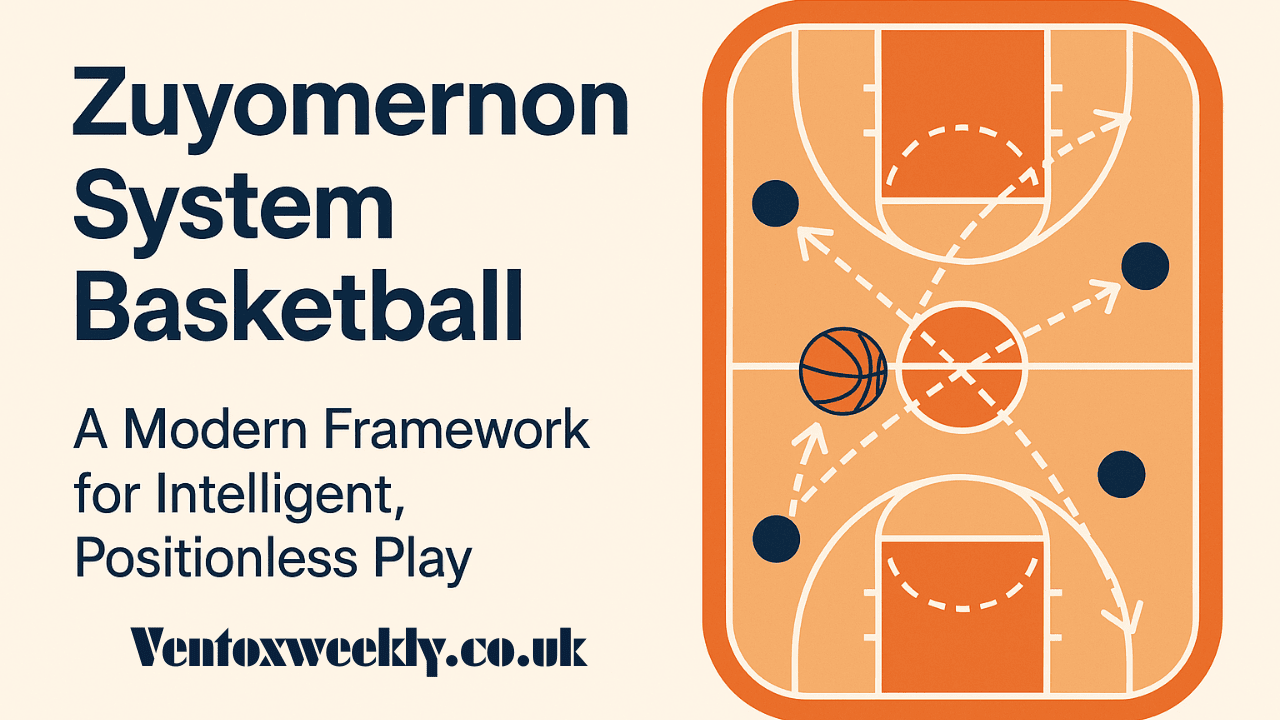
Basketball has always evolved alongside the athletes who play it and the minds that coach it. From rigid positional structures to free-flowing offenses, the game continues to move toward adaptability, speed, and decision-making. One concept that captures this evolution is Zuyomernon system basketball. While not tied to a single playbook or historical coach, the Zuyomernon system basketball philosophy represents a modern way of thinking about how the game should be played in today’s fast-paced, skill-driven environment. Rather than focusing on fixed positions or repetitive sets, the Zuyomernon system basketball emphasizes versatility, spacing, intelligent reads, and collective responsibility. This article explores the principles, structure, advantages, and practical applications of the Zuyomernon system basketball approach, offering insight into why such a system resonates with modern players and coaches.
Understanding the Philosophy Behind the Zuyomernon System Basketball
At its core, the Zuyomernon system basketball is a philosophy rather than a strict diagram-based offense or defense. It is built on the idea that basketball is a dynamic game where players must continuously read the floor and respond to changing situations.
Instead of asking players to memorize dozens of plays, the Zuyomernon system basketball approach encourages them to understand concepts. These concepts guide movement, spacing, and decision-making, allowing teams to react organically to defensive pressure.
Key philosophical pillars include:
- Trust in player intelligence
- Freedom within structure
- Constant motion without chaos
- Shared playmaking responsibilities
This mindset aligns well with the modern era of basketball, where players are more skilled, faster, and capable of contributing in multiple ways.
Core Principles of Zuyomernon System Basketball
Positionless Structure
One of the defining traits of the Zuyomernon system basketball is its positionless nature. Traditional labels such as point guard, center, or power forward become less important than skills.
In this system:
- Any player can initiate offense
- Ball-handling is shared
- Big players are expected to pass and shoot
- Smaller players are encouraged to cut, post, and rebound
This creates matchup problems for defenses and allows teams to exploit weaknesses more efficiently.
Spacing and Floor Balance
Proper spacing is essential in the Zuyomernon system basketball. The offense prioritizes maintaining optimal distance between players to open driving lanes and passing angles.
Rather than standing still in designated spots, players constantly adjust their positions based on:
- Ball movement
- Penetration
- Defensive rotations
Good spacing ensures that when a defender helps, the offense already has a solution available.
Read-and-React Decision Making
Instead of predetermined outcomes, Zuyomernon system basketball relies on read-and-react principles. Every action on the court triggers a decision.
For example:
- If a defender overplays, the offense cuts backdoor
- If help defense collapses, the ball kicks out
- If the defense switches, mismatches are attacked
This approach rewards awareness and basketball IQ while making the offense harder to scout.
Continuous Ball Movement
Ball stagnation is the enemy of the Zuyomernon system basketball. The system values quick, purposeful passing that forces the defense to shift repeatedly.
Benefits of continuous ball movement include:
- Defensive breakdowns
- Higher-quality shot attempts
- Increased player engagement
Players are taught that holding the ball too long disrupts rhythm and spacing.
Offensive Applications of Zuyomernon System Basketball
Entry Actions Instead of Set Plays
Rather than calling a specific play, teams using the zuyomernon system basketball often rely on entry actions. These are simple triggers—such as dribble handoffs, off-ball screens, or cuts—that flow naturally into continuous offense.
Once the entry action begins, players read the defense and react accordingly. This allows the offense to remain unpredictable while still maintaining structure.
Emphasis on Player Development
Because zuyomernon system basketball requires players to make decisions, it naturally supports long-term development. Athletes learn to:
- Read defenders
- Communicate on the floor
- Make quick, confident choices
This makes the system especially valuable at youth, high school, and developmental levels.
Shot Quality Over Shot Quantity
The system prioritizes efficient scoring opportunities rather than forcing shots. Players are encouraged to pass up good shots in favor of great ones when possible.
Common shot types emphasized include:
- Open threes created by penetration
- Layups and cuts off ball movement
- Short-roll and kick-out opportunities
Defensive Concepts Within Zuyomernon System Basketball
Although often discussed offensively, zuyomernon system basketball also extends to the defensive side of the game.
Switchability and Versatility
Because players are trained to be positionless, defenses can switch more easily without creating mismatches. This allows teams to:
- Defend pick-and-roll actions more effectively
- Reduce breakdowns
- Maintain pressure without over-helping
Team-Based Defense
Rather than relying on individual stoppers, zuyomernon system basketball promotes collective defense. Communication, anticipation, and help-side awareness are emphasized.
Defensive success is measured by:
- Forcing difficult shots
- Disrupting timing
- Controlling space
Advantages of Zuyomernon System Basketball
The popularity of concepts like zuyomernon system basketball comes from several clear advantages:
- Adaptability: Works against multiple defensive schemes
- Scalability: Suitable for youth, amateur, and advanced levels
- Player Engagement: Everyone contributes beyond fixed roles
- Unpredictability: Harder to scout and prepare against
These benefits make the system appealing in an era where flexibility often outweighs rigid structure.
Challenges and Limitations
Despite its strengths, zuyomernon system basketball is not without challenges.
- Requires high basketball IQ
- Demands strong communication
- Can struggle if players lack discipline
- Needs time to teach and install properly
Without proper coaching and buy-in, the system’s freedom can lead to confusion rather than clarity.
Who Should Use Zuyomernon System Basketball?
This system is especially effective for:
- Teams without a dominant star
- Programs focused on long-term development
- Coaches who value teaching concepts
- Players who enjoy freedom and creativity
It may be less effective for teams that rely heavily on isolation scoring or rigid hierarchies.
Conclusion
Zuyomernon system basketball represents a modern interpretation of how the game can be played intelligently, fluidly, and collectively. By emphasizing positionless roles, spacing, ball movement, and read-and-react decision-making, the system aligns perfectly with the demands of today’s basketball landscape.
You May Like: Basket Random GitHub: Clones, Open-Source Versions & Unblocked Game Repositories
