
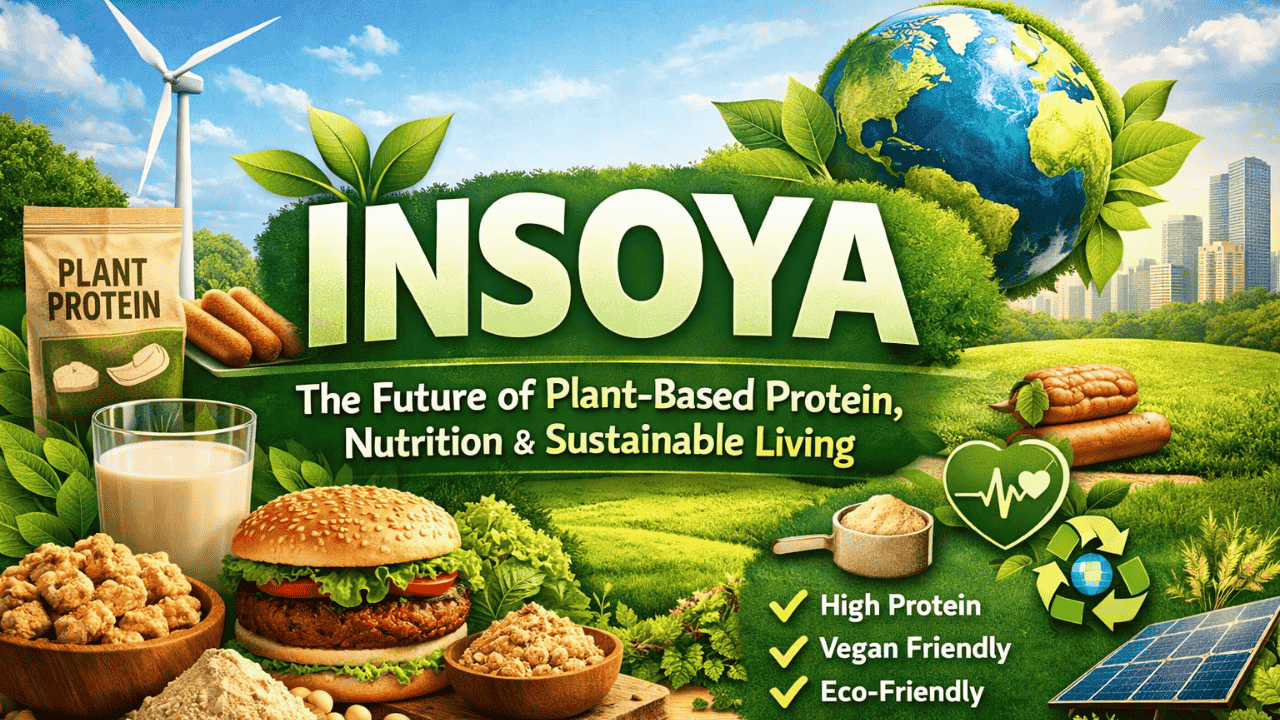
In today’s fast-evolving world of health, nutrition, and sustainability, new food concepts and keywords are emerging rapidly. One such term gaining attention is insoya. While it may not yet be widely defined in traditional dictionaries, insoya is becoming increasingly relevant in discussions around plant-based diets, protein alternatives, and eco-friendly living. In this comprehensive, SEO-friendly article, we will explore everything you need to know about insoya, including its meaning, nutritional value, benefits, uses, and why it is becoming a popular choice for modern consumers.
What Is Insoya?
Insoya is a modern, flexible keyword generally associated with processed or enhanced soy-based products used for nutrition, food production, and sustainable living. Unlike traditional soy, insoya often represents a more refined, functional, or innovative version of soy protein.
In simple terms, Insoya refers to advanced soy-based solutions designed to deliver high protein, improved texture, and better usability in food and health applications.
It can include:
- Soy protein isolate
- Soy chunks and granules
- Textured vegetable protein (TVP)
- Functional soy ingredients used in food manufacturing
Because of its versatility, insoya is often used both as a nutritional concept and a brandable keyword.
The Origin and Rise of Insoya
The rise of insoya is closely linked to global shifts in food consumption and sustainability awareness. Over the past decade, there has been a significant increase in demand for:
- Plant-based protein alternatives
- Vegan and vegetarian diets
- Environmentally friendly food sources
- High-protein, low-fat nutrition
Soy has been a fundamental component of plant-based diets for a long time, but insoya represents the next step forward—a more refined, efficient, and adaptable version of soy products.
As consumers become increasingly environmentally conscious and health-conscious, terms like insoya are gaining traction in SEO content, digital branding, and food innovation discussions.
Nutritional Value of Insoya
One of the main reasons for insoya’s growing popularity is its impressive nutritional profile.
Typical Nutritional Composition (Per 100g)
- Protein: 45–55g
- Calories: 300–350 kcal
- Fat: Low
- Carbohydrates: Moderate
- Cholesterol: 0
Key Nutritional Highlights
- Rich in complete plant protein
- Contains essential amino acids
- Low in saturated fat
- Free from cholesterol
- Suitable for vegan and vegetarian diets
This makes insoya an excellent alternative to meat and dairy products, especially for people looking to maintain a balanced and healthy lifestyle.
Health Benefits of Insoya
High-Quality Protein Source
Insoya provides a protein level comparable to animal-based foods, making it ideal for:
- Muscle growth
- Post-workout recovery
- Daily protein intake
Supports Heart Health
Being low in saturated fat and cholesterol-free, insoya can help:
- Reduce bad cholesterol (LDL)
- Improve cardiovascular health
Weight Management
Insoya is:
- Low in fat
- High in protein
- Filling and satisfying
This helps control appetite and supports weight loss or maintenance goals.
Suitable for Special Diets
Insoya fits perfectly into:
- Vegan diets
- Vegetarian diets
- High-protein diets
- Low-cholesterol meal plans
Improves Digestive Health
Modern processing techniques often make insoya:
- Easier to digest
- Less likely to cause bloating compared to raw soy
Common Uses of Insoya
One reason Insoya is gaining popularity is its versatility across industries and applications.
Cooking and Daily Meals
Insoya can be used in:
- Curries and stews
- Stir-fries
- Salads
- Sandwich fillings
It can easily replace meat in many traditional dishes.
Food Industry Applications
Insoya is widely used in food manufacturing for:
- Meat substitutes (plant-based burgers, sausages)
- Protein-enriched snacks
- Ready-to-eat meals
Fitness and Nutrition Products
It is commonly found in:
- Protein powders
- Health supplements
- Energy bars
Vegan and Plant-Based Innovations
Insoya plays a major role in:
- Plant-based meat alternatives
- Dairy-free products
- Sustainable food solutions
Insoya vs Traditional Soy
Although they are closely related, there are significant distinctions between the two insoya and regular soy.
| Processing | Minimal | Advanced processing |
| Texture | Basic | Improved and adaptable |
| Usage | Limited | Highly versatile |
| Application | Home cooking | Food industry + health sector |
| Branding | Generic | Modern and innovative |
👉 In simple terms, insoya is a more refined and functional version of traditional soy.
Environmental Benefits of Insoya
One of the strongest reasons for Insoya’s rise is its positive environmental impact.
Lower Carbon Footprint
Producing plant-based protein, like insoya, requires significantly less:
- Water
- Land
- Energy
compared to animal farming.
Sustainable Food Source
Insoya contributes to:
- Reduced greenhouse gas emissions
- Less deforestation
- More efficient food production
Supports Global Food Security
Because soy is widely available and scalable, Insoya can help:
- Feed growing populations
- Provide affordable protein options
Why Insoya Is Trending in SEO and Digital Content
The keyword insoya is becoming increasingly popular for several reasons:
Low Competition Keyword
Since it is still emerging, Insoya has:
- Low SEO competition
- High ranking potential
Broad Meaning
It can be used in multiple contexts:
- Food
- Health
- Sustainability
- Branding
Growing Interest in Plant-Based Living
As more people shift toward vegan and eco-friendly lifestyles, keywords like insoya naturally gain traction.
Brandable and Unique
Unlike generic terms, insoya is:
- Memorable
- Distinct
- Easy to brand
Potential Drawbacks of Insoya
While insoya offers many benefits, there are a few considerations:
Soy Allergies
Some individuals may be allergic to soy products.
Over-Processing Concerns
Highly processed forms of insoya may:
- Lose some natural nutrients
- Contain additives
GMO Concerns
Some soy products may be genetically modified, depending on the source.
👉 Choosing high-quality, organic insoya products can help reduce these concerns.
Future of Insoya
The future of Insoya looks promising as global trends continue to favour sustainable and plant-based solutions.
Expected Growth Areas
- Plant-based meat alternatives
- Functional food products
- Health and fitness supplements
- Eco-friendly food innovations
As technology advances, we can expect Insoya to become:
- More nutritious
- More accessible
- More widely accepted
How to Include Insoya in Your Diet
If you want to start using Insoya, here are some simple ideas:
- Replace meat with insoya chunks in curries
- Add insoya protein to smoothies
- Use insoya granules in pasta sauces
- Try plant-based burgers made with insoya
Starting small can help you easily transition to a healthier, more sustainable diet.
Conclusion
Insoya is more than just a keyword—it represents a modern shift toward healthier, sustainable, and innovative food solutions. As a refined form of soy-based nutrition, insoya offers high protein, versatility, and environmental benefits that align perfectly with today’s global trends.
You May Like: Blog TimesHealthMagcom: Health, Wellness, and Fitness Insights Online
