
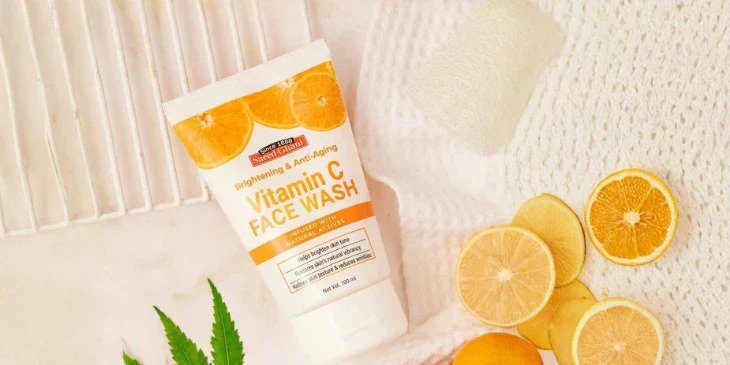
Sunblock is essential, but for many people with reactive skin, it can feel like a problem instead of protection. If your SPF causes stinging, redness, or unexpected breakouts, you’re not alone. The issue usually isn’t sunscreen itself; it’s the type of formula you’re using. Choosing the right sunblock for sensitive skin can help protect your skin without irritation.
Why Sunblocks Cause Burning Sensations
Sensitive skin reacts quickly to certain ingredients. Strong fragrances, alcohol-based formulas, and heavy chemical filters can trigger discomfort. When applied, these components may cause a tingling or burning sensation, especially if your skin barrier is already compromised.
A gentle sunscreen designed for delicate skin avoids harsh additives. These formulas focus on soothing ingredients that protect without causing stress. If your SPF stings immediately after application, it’s often a sign that your skin needs a milder option.
Breakouts After Sunscreen
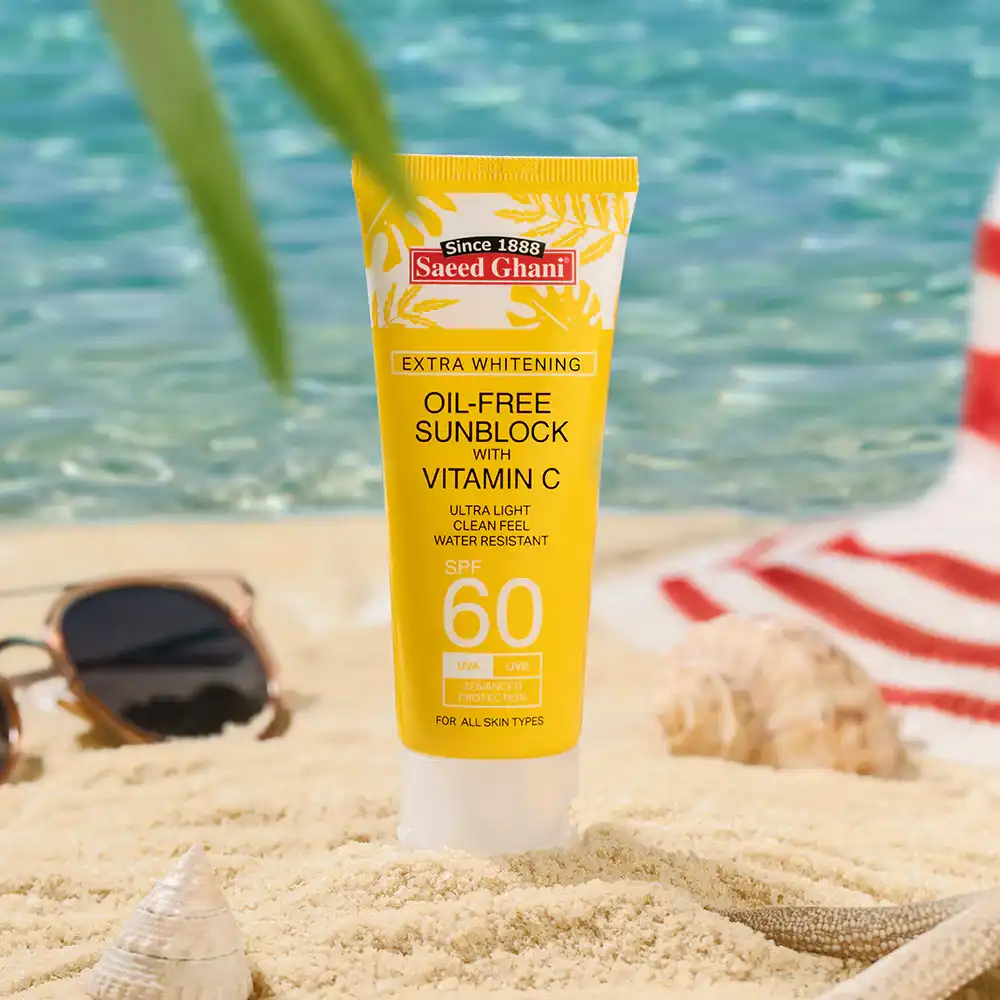
Another common concern is clogged pores. Thick, greasy sunscreens can trap oil and sweat, leading to small bumps or acne. This is especially common in humid weather or for people who already have combination skin.
Lightweight textures work better for reactive skin types. A breathable formula allows your skin to stay protected without feeling heavy. Choosing a non-comedogenic option reduces the chances of blocked pores and irritation.
Sensitive Skin Needs Gentle Protection
Sun protection is still necessary, even if your skin reacts easily. Skipping SPF for the face may temporarily avoid breakouts, but it can lead to redness, uneven tone, and sun damage. Instead of avoiding sunscreen, focus on selecting one that supports your skin barrier.
A soothing sunblock helps calm the skin while providing protection. Ingredients known for their gentle nature often help maintain comfort throughout the day.
Look for Lightweight and Soothing Formulas
When searching for sunscreen, texture matters. Creamy but non-greasy formulas tend to work best for sensitive skin. These spread easily and don’t require excessive rubbing, which can trigger redness.
Hydrating sunscreens are also helpful because they prevent dryness. When your skin stays moisturized, it becomes less prone to irritation. A balanced formula can protect while keeping your complexion calm.
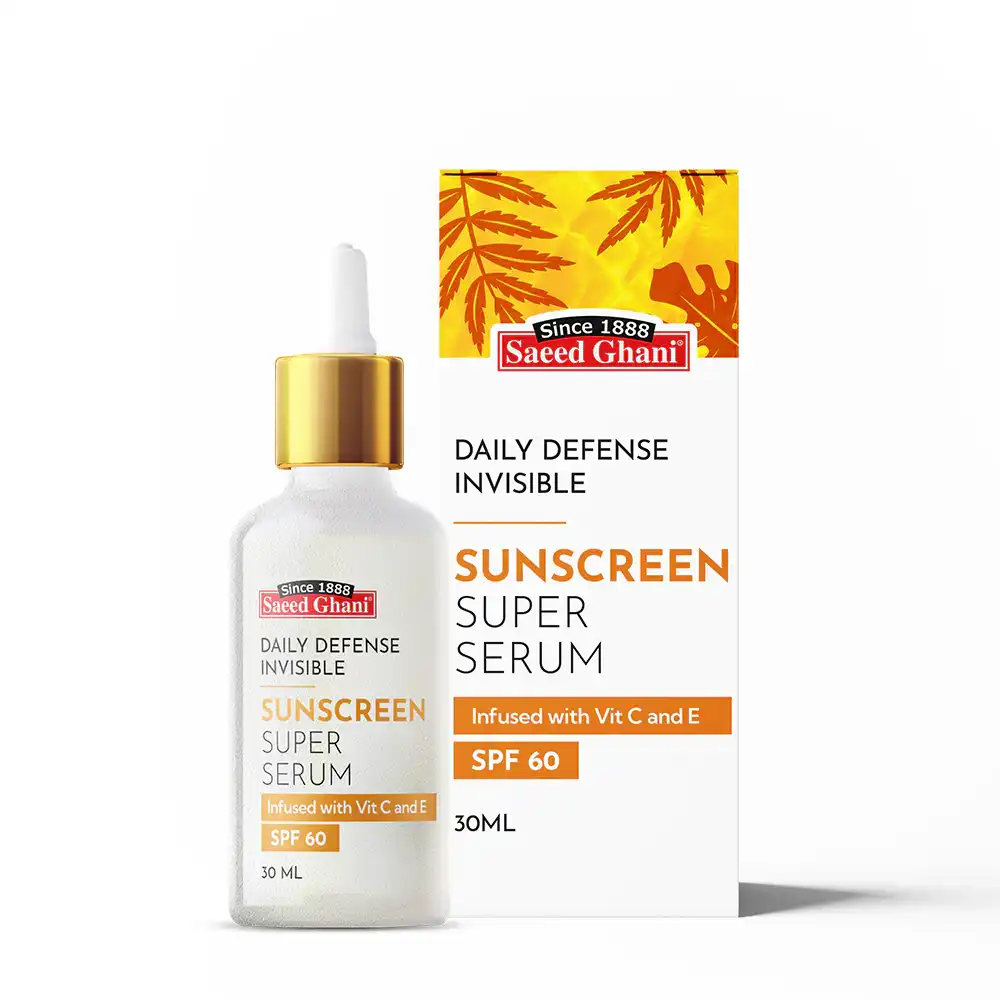
Look for no-fuss formulas like the Super Serum Sunscreen by Saeed Ghani, which helps protect your skin from the sun’s rays. The serum-like consistency and formula are ideal for everyday wear without any concerns of oily look or heavy feeling.
How to Apply Without Irritating Your Skin
Application technique can also make a difference:
- Apply sunscreen on moisturized skin
- Use gentle tapping instead of rubbing
- Allow your moisturizer to absorb first
- Use a small amount and build gradually
- Reapply lightly instead of layering thickly
These steps reduce friction and help minimize reactions.
Signs You Need a Different Sunblock
You may need to switch your sunscreen if you experience:
- Stinging right after application
- Red patches or irritation
- Small bumps or breakouts
- Tightness or dryness
- Increased sensitivity to sunlight
These symptoms suggest your current SPF may not suit your skin type.
Patch Testing Helps Avoid Reactions
Before using a new sunscreen, try patch testing. Apply a small amount behind your ear or on your wrist. Wait 24 hours to see if any irritation appears. This simple step can help prevent a full-face reaction.
Choosing the right sunblock for sensitive skin becomes easier when you test products gradually. This helps you identify what works best for your skin.
Don’t Skip Sunscreen, Just Choose Wisely
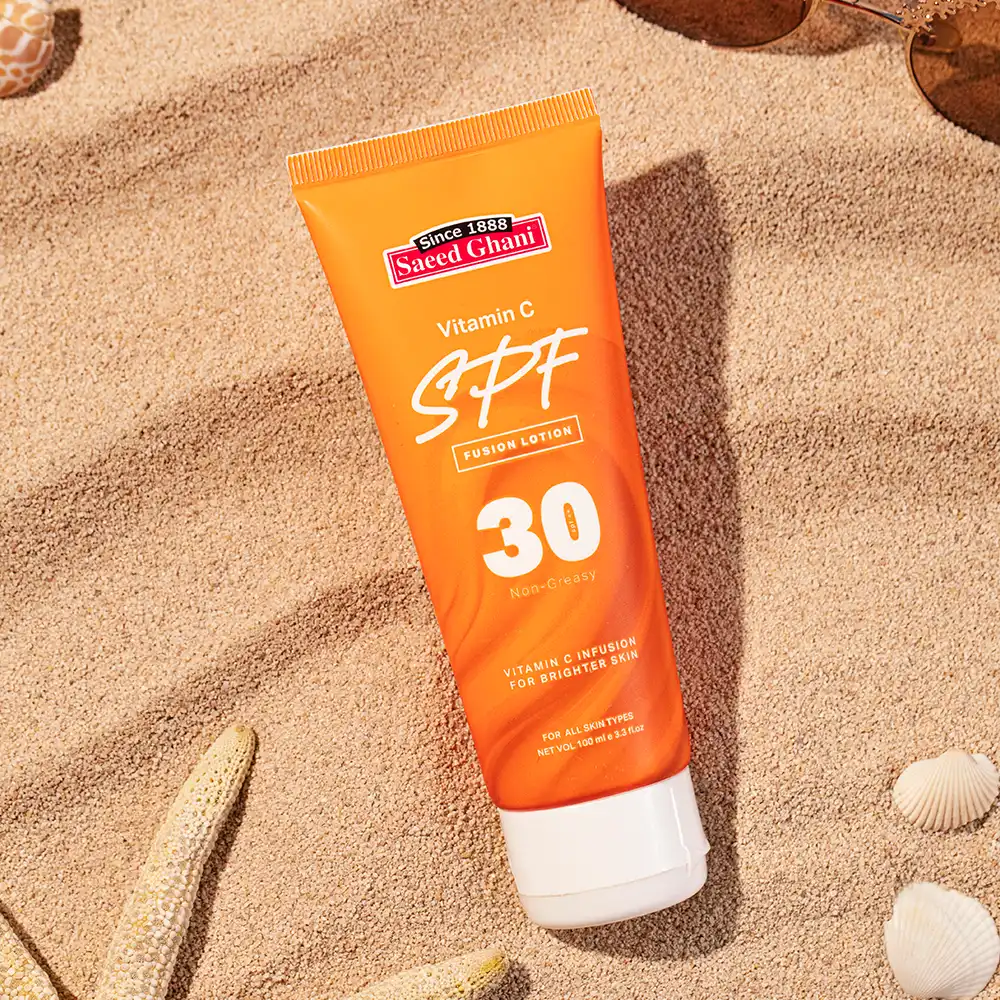
Avoiding SPF altogether can worsen sensitivity. Sun exposure weakens the skin barrier and increases redness. Using a gentle sunscreen daily helps maintain protection without triggering irritation. Use anSPF 60 for face and a lotion around SPF 30 for the exposed area of body to fully protect youthful skin.
Look for formulas that balance protection and comfort. Lightweight, soothing, and fragrance-free options are usually more suitable for reactive skin.
Final Thoughts
If your sunblock burns or causes breakouts, the solution isn’t skipping SPF; it’s finding the right formula. A gentle, lightweight oil-free sunscreen can protect your skin while keeping it calm and comfortable. By choosing a suitable option and applying it correctly, you can enjoy sun protection without irritation. Your skin stays safe, balanced, and healthier every day.
Browse Saeed Ghnai’s sun care collection now to find the best SPF in an affordable range!
