
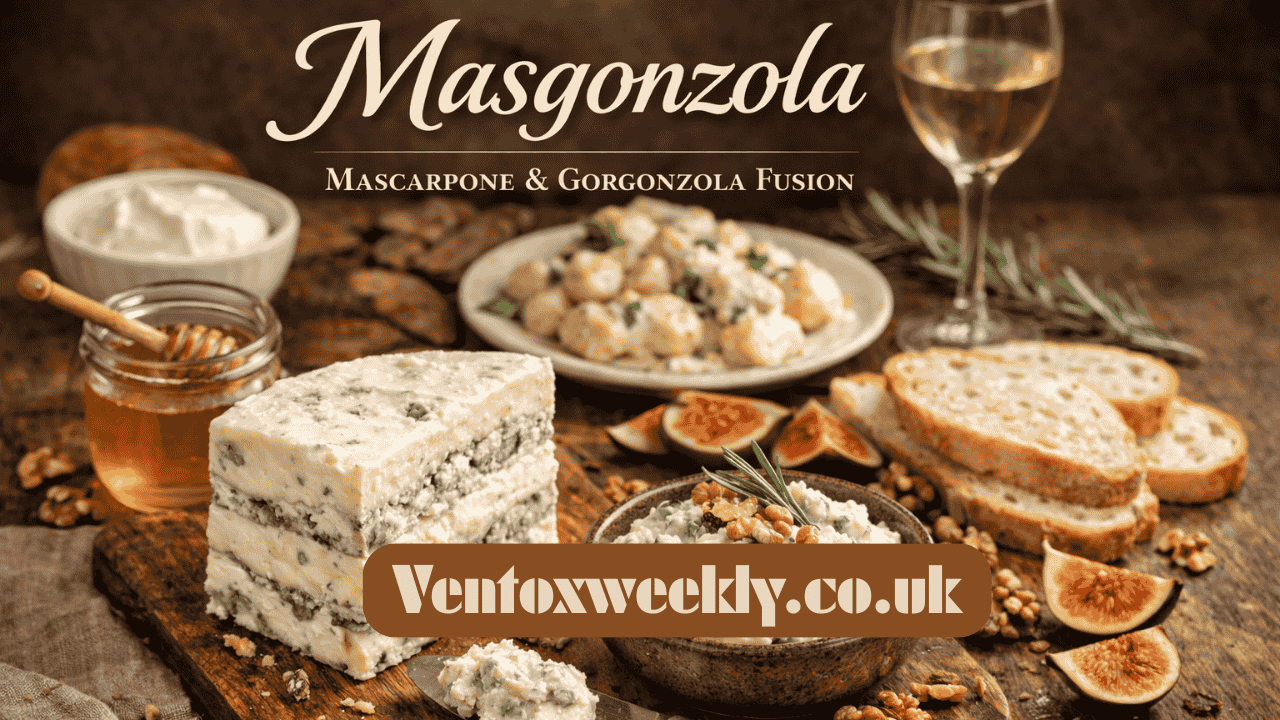
Masgonzola is a rich, indulgent cheese creation that blends two iconic Italian dairy products: mascarpone and gorgonzola. The name itself is a fusion of the two cheeses, and while masgonzola is not a protected or officially classified cheese, it has become a popular culinary term used by chefs, food bloggers, and home cooks to describe this luxurious combination. Loved for its balance of creamy sweetness and gentle blue cheese sharpness, masgonzola has gained attention in pasta dishes, sauces, spreads, appetizers, and gourmet recipes. In recent years, the keyword “masgonzola” has also seen growing interest online as people search for new flavor combinations and elevated comfort food. This article explores what masgonzola is, its origins, flavor profile, uses in cooking, nutritional aspects, and why it has become a trending culinary term.
The Origins of Masgonzola
Although masgonzola is not an officially recognized cheese with a PDO (Protected Designation of Origin), its components are deeply rooted in Italian food history.
Mascarpone
Mascarpone originated in Lombardy, Italy, and is made from cream rather than milk. It is famously used in desserts such as tiramisu, but its neutral sweetness and silky texture also make it ideal for savory dishes.
Gorgonzola
Gorgonzola is one of Italy’s oldest blue cheeses, also from Lombardy and Piedmont. It has a PDO status and comes in two main styles:
- Gorgonzola Dolce (mild and creamy)
- Gorgonzola Piccante (firmer and sharper)
Masgonzola typically uses Gorgonzola Dolce, as its softer and less aggressive flavor pairs better with mascarpone.
How the Combination Emerged
Italian cuisine has a long tradition of mixing cheeses for sauces and fillings. Masgonzola likely emerged organically in home kitchens and professional restaurants as cooks sought to:
- Soften the intensity of blue cheese
- Add creaminess without heavy cream
- Create a versatile, meltable cheese blend
Over time, the blend gained recognition under the shorthand name masgonzola.
Flavor Profile: What Does Masgonzola Taste Like?
Masgonzola is prized for its harmonious contrast of flavors and textures.
Taste
- Mild blue-cheese tang
- Subtle sweetness from mascarpone
- Rich umami depth
- Balanced saltiness
Texture
- Soft and spreadable
- Smooth and creamy
- Excellent melting qualities
Unlike strong blue cheeses that can dominate a dish, masgonzola is approachable, even for people who normally avoid blue cheese.
How Masgonzola Is Made
Masgonzola is not aged as a single cheese. Instead, it is prepared fresh in one of two ways:
- Layered
Alternating layers of mascarpone and gorgonzola, create a visually striking and texturally varied product. - Blended
The two cheeses are mixed together until smooth, often in equal proportions (50/50), though ratios may vary.
Some commercial versions lightly whip the mixture for extra smoothness, while chefs may add:
- Black pepper
- Crushed walnuts
- Herbs such as thyme or rosemary
Culinary Uses of Masgonzola
One of the main reasons for mascarpone’s popularity is its versatility.
Masgonzola Pasta Sauce
Masgonzola melts beautifully, making it ideal for pasta sauces. Common pairings include:
- Tagliatelle
- Gnocchi
- Penne
- Ravioli filling
A simple sauce can be made by gently warming masgonzola with a splash of pasta water.
Pizza and Flatbreads
Masgonzola adds richness to:
- White pizzas
- Flatbreads with pears or figs
- Prosciutto-topped pizzas
Appetizers and Spreads
Masgonzola works well as:
- A spread on crostini
- A dip for vegetables
- A filling for blinis or crackers
Meat and Vegetable Pairings
It pairs exceptionally well with:
- Beef and steak sauces
- Chicken breast
- Roasted mushrooms
- Grilled zucchini
- Spinach and radicchio
Masgonzola in Gourmet Recipes
High-end restaurants use masgonzola in:
- Risotto
- Stuffed chicken
- Savory tarts
- Gourmet burgers
Why Masgonzola Is Trending
Rising Interest in Fusion Foods
Masgonzola fits perfectly into modern food trends that celebrate simple ingredient combinations with bold results.
Comfort Food Appeal
Creamy, rich flavors are especially popular in comfort food recipes, making masgonzola highly searchable.
Social Media and Food Blogging
The keyword “masgonzola” is visually appealing and unique, which helps it stand out in recipes, reels, and food photography.
Approachability of Blue Cheese
Masgonzola introduces blue cheese flavor in a milder, friendlier way, expanding its audience.
Nutritional Overview of Masgonzola
While masgonzola is undeniably indulgent, it does provide nutritional value.
Key Nutrients
- Calcium
- Protein
- Vitamin A
- Healthy fats
Calorie Considerations
Masgonzola is high in fat due to mascarpone, so it is best enjoyed:
- In moderation
- As a flavor accent rather than a main ingredient
For those following low-carb or keto lifestyles, masgonzola can fit well due to its low carbohydrate content.
Masgonzola vs. Other Cheese Blends
Masgonzola vs. Gorgonzola Alone
- Milder flavor
- Creamier texture
- More versatile
Masgonzola vs. Cream Cheese + Blue Cheese
- More authentic Italian flavor
- Richer mouthfeel
- Better melting properties
Masgonzola vs. Ricotta Blends
- Higher fat
- Deeper umami
- Less grainy texture
Is Masgonzola a Real Cheese?
This is a common question.
Masgonzola is not an officially protected cheese, nor does it have PDO status. It is best described as:
- A culinary term
- A cheese blend
- A recipe-based product
However, many retailers and producers sell mascarpone-gorgonzola combinations under descriptive labels, and the name “masgonzola” has become widely accepted in food culture.
How to Make Masgonzola at Home
Making masgonzola is simple and requires only two ingredients.
Ingredients
- Mascarpone cheese
- Gorgonzola Dolce
Basic Method
- Let both cheeses come to room temperature
- Combine in a bowl (start with a 50/50 ratio)
- Mix gently for a marbled effect or fully blend for smoothness
- Adjust ratios to taste
Optional additions:
- Black pepper
- Honey (for sweet-savory dishes)
- Crushed nuts
Conclusion: Why Masgonzola Deserves Attention
Masgonzola is more than just a cheese combination—it is a culinary concept that represents balance, indulgence, and creativity. By blending mascarpone’s luxurious creaminess with gorgonzola’s distinctive character, masgonzola delivers a flavor experience that feels both traditional and modern.
