
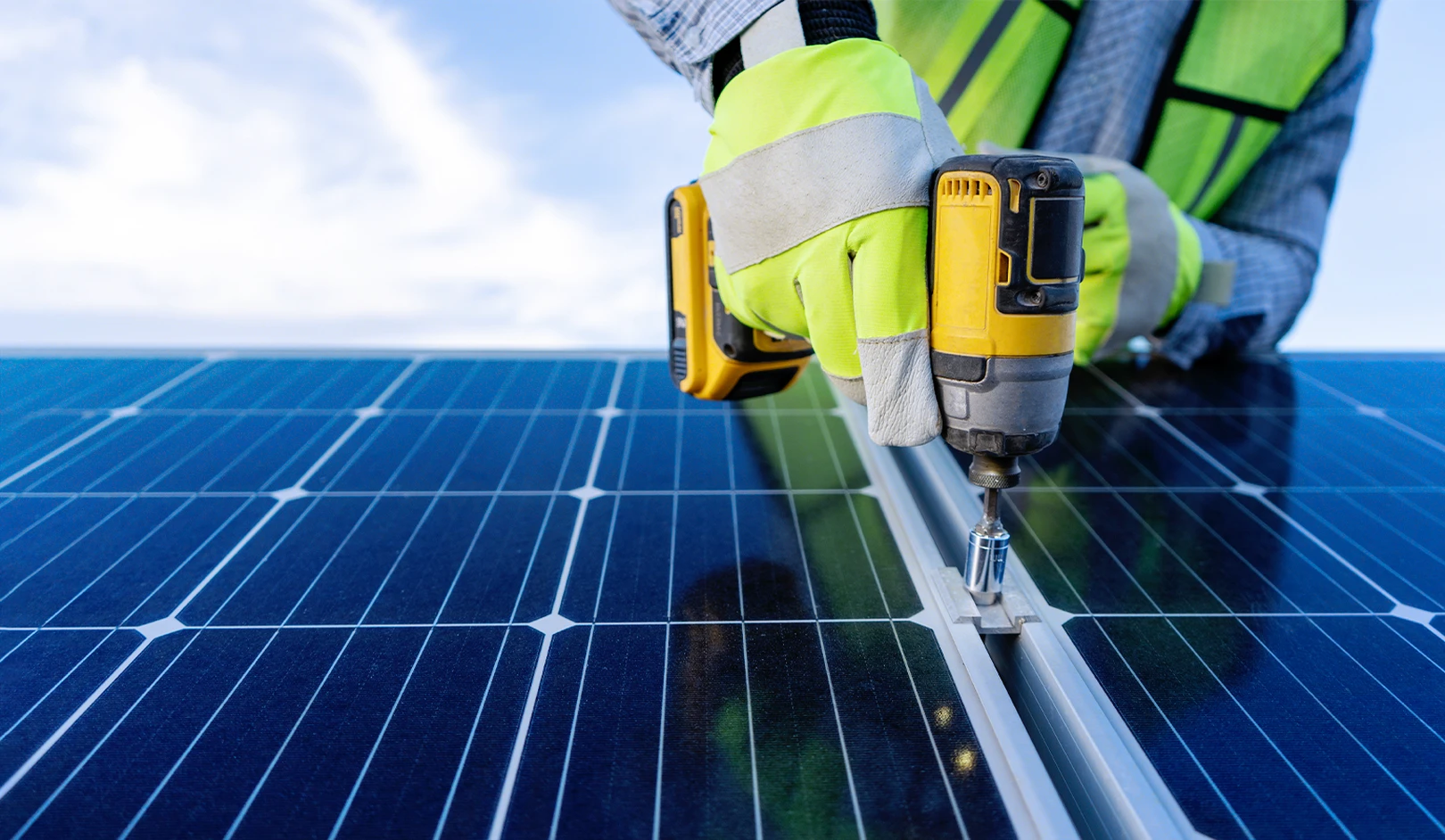
You are handy. You rewired your garage. You built a deck. Solar cannot be that hard. You order a system online and plan to install it yourself. Then you read the warranty. Most manufacturers require professional installation by a certified electrician or solar installer. Self-installation voids the warranty completely. One mistake in wiring polarity, one undersized breaker, one loose connection, and your inverter is a brick. No replacement. No repair. No sympathy. A hybrid solar inverter is not a light fixture. It contains complex power electronics that can fail if installed incorrectly. The warranty is your insurance against that failure. Losing it saves you installation labor costs today. It risks the entire cost of the inverter tomorrow. Ask yourself honestly whether saving one thousand dollars on installation is worth risking a three-thousand-dollar inverter. For most homeowners, the math does not work. Hire a certified installer. Keep your warranty intact. Sleep better knowing your system was done right.
The Parallel String Mistake That Burns Your Roof
Your inverter has two MPPT trackers. That means it can handle two separate strings of solar panels. One string on the east roof. One string on the west roof. Different sun exposure. Different voltages. The inverter handles them independently. But some installers ignore the trackers. They combine panels from both roof faces into a single string. They wire that string into one MPPT input. The other input sits empty. The result is a system that produces less power because the inverter cannot optimize each roof face separately. A hybrid solar inverter with multiple MPPT trackers only delivers its full potential when each tracker serves a distinct solar array. Ask your installer to show you their stringing diagram. If all your panels feed one input, ask why. The answer is usually laziness or a shortage of wiring materials. Neither is acceptable. You paid for two trackers. Demand two strings.
The Temperature Derating That Nobody Mentions
Inverters get hot. When they get too hot, they reduce power output to protect themselves. This is called derating. A standard inverter mounted in direct sunlight on a south-facing wall in Arizona summer can derate by thirty percent or more. Your ten kilowatts becomes seven kilowatts exactly when the sun is strongest and you need air conditioning most. A hybrid solar inverter with active cooling fans and a wide temperature operating range suffers less derating. But many budget models rely on passive cooling. No fans. Just heatsinks. Those models derate aggressively. Ask your supplier for the derating curve. It is a graph showing power output at different temperatures. If the graph drops sharply above one hundred degrees Fahrenheit, your system will underperform on every hot summer afternoon. If they cannot produce a derating curve, assume the worst. Install the inverter in a shaded, ventilated location. Or choose a model with active cooling. Your summer production depends on it.
The EPS Port Limitation That Leaves Half Your House Dark
Your inverter has an EPS port. Emergency Power Supply. During a blackout, that port powers a dedicated set of outlets or a small subpanel. But the EPS port has a power limit. Usually two to three kilowatts. Your air conditioner needs five kilowatts. Your well pump needs two. Your refrigerator needs one. The EPS port cannot run them all simultaneously. Many homeowners discover this during their first outage. They flip the transfer switch. The lights come on. The refrigerator runs. Then they turn on the microwave. The inverter trips. Everything goes dark. A hybrid solar inverter with a higher EPS rating costs more. Much more. But a low-rated EPS port forces you to choose which circuits to back up. That choice is fine if you make it intentionally. It is frustrating if you discover it during an emergency. Ask your installer to show you the EPS power rating before you buy. Then decide which circuits you truly need during an outage. Lights, internet, refrigerator, and a few outlets are realistic. Whole-house backup requires a much larger, much more expensive inverter.
The Zero Export Confusion That Angers Your Utility
Some utilities prohibit exporting solar power to the grid. Too much solar on the local transformer. Voltage rise issues. Your inverter must comply. Zero export mode. The inverter powers your home from solar and batteries. Any excess power is curtailed. It never reaches the grid. But zero export requires a consumption meter and careful configuration. A poorly configured hybrid solar inverter in zero export mode may export small amounts of power repeatedly. The utility sees those exports. They fine you. Or they disconnect you. Or they force you to pay for a transformer upgrade. Ask your installer to demonstrate the zero export function during commissioning. Watch the real-time power flow display. If the needle moves above zero when your home load is low, the configuration is wrong. Demand a fix before you sign the final acceptance. Your utility relationship depends on your inverter staying on the right side of their rules.
The One Document That Protects You From Bad Installers
Every inverter comes with a commissioning report. It lists serial numbers, firmware versions, date of installation, and test results. Many installers skip this document. They turn the system on, see green lights, and leave. That missing document is your only proof of professional installation. Without it, your warranty claim will be denied. A responsible hybrid solar inverter installer provides a signed commissioning report with every installation. They test each input. They verify each safety function. They record the results. Ask for this report before the installer leaves your property. If they do not have it, ask them to run the tests while you watch. A fifteen-minute commissioning process saves you from a warranty nightmare three years from now when your inverter fails on a Friday afternoon. Your installer’s convenience is not worth your coverage. Get the report. Keep it with your other solar documents. Your future self will thank you when you file that warranty claim without a single question about installation quality.
